The Science Behind Wave Formation for Surfers

The Basics of Wave Formation

Understanding the science behind wave formation is crucial for surfers looking to improve their skills and make the most of their time in the water. Waves are generated by a variety of natural forces, with wind being the primary factor. The energy from the wind transfers to the water, creating ripples that can grow into larger waves.

Wind: The Primary Force

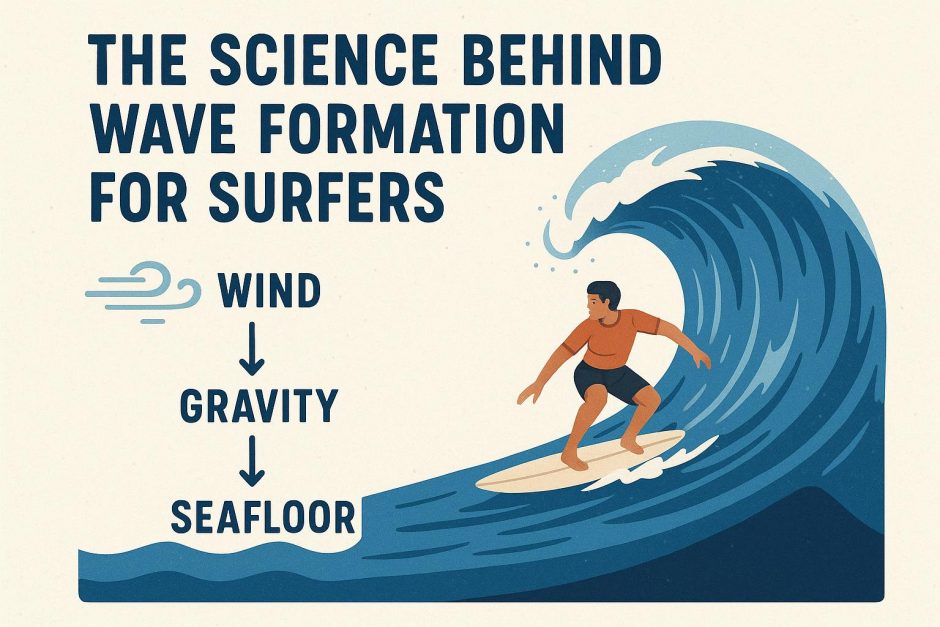
Wind plays a significant role in wave formation. As wind blows across the surface of the ocean, it generates friction. This friction causes the water to form small, circular motions called wavelets. As these wavelets combine, they form surface waves. The strength, duration, and fetch (distance) of the wind directly influence the size of the waves.

The energy transfer occurs as the wind exerts pressure on the surface water, gradually building up ripples that grow into larger waves. This energy is stored in the form of potential energy on top of the wave crests and kinetic energy as the water particles rotate within the wave structure. The continued effects of consistent, strong winds can lead to the formation of substantial wave systems that are treasured by surfers around the world.

Wave Anatomy

Understanding the anatomy of a wave can help surfers assess conditions more effectively. A wave has several key parts, including the crest (the highest point), the trough (the lowest point), and the wave height (the vertical distance between the crest and trough). The distance between two consecutive crests or troughs is known as the wavelength.

The speed of a wave is determined by its wavelength and the period, which is the time needed for two consecutive crests to pass a fixed point. These factors all play into wave energy, which informs surfers about the kind of waves they are likely to encounter in different conditions. A strong understanding of these aspects allows surfers to optimize their approach to each wave, choosing when to paddle, when to stand, and how to maintain balance while riding.

Swell Formation

Away from the immediate effect of local winds, swells are formed. Swells are groups of waves that have traveled out of the area of their generation. They are influenced by wind strength, wind duration, and fetch. When the wind stops or changes direction, the swells continue to travel, sometimes across entire ocean basins.

The formation of swells involves intricate processes. As wind-energy waves travel far from the source, they gather energy and synchronize, leading to a uniform wave pattern that can journey vast distances. Swells, therefore, reflect the behavior of wind conditions from possibly thousands of miles away, and their orderly appearance indicates a steady, long-lasting wind in their place of origin. These characteristics make swells more predictable, giving surfers a reliable insight into surfing conditions across various coastal locations.

Breaking Waves and Surf Spots

As swells reach shallower waters near coastlines, the interaction with the ocean floor causes them to slow down and increase in height, leading to breaking waves. The topographical features of the ocean floor, such as reefs, sandbars, and points, influence the shape and size of the breaking waves, creating ideal surf spots. The type of break significantly influences the type of ride a surfer can expect. Point breaks, reef breaks, and beach breaks each offer unique challenges and opportunities for surfers.

The interaction between the wave and the seabed is critical during the breaking process. As a wave approaches shallower depths, its base slows due to friction, while the top continues at speed, causing the wave to rise sharply and eventually break. The abruptness or gradual nature of the bottom, along with the angle, affects how the wave collapses. This is crucial for surfers when deciding where to surf, as different breaks offer distinctive challenges, whether it’s the hollowness of a barrel at a reef or the ever-shifting dynamics of a beach break.

For more in-depth insights, resources such as the National Geographic provide comprehensive information on the dynamics of wave formation.

By understanding these scientific principles, surfers can enhance their ability to read ocean conditions and harness the waves effectively. Observing wave patterns along with weather forecasts becomes essential for predicting optimal times for surfing, leading to an improved overall surfing experience.

With the right knowledge, surfers can identify and adapt to changing maritime environments, recognize the ideal conditions for surfing, and ensure safety as much as enjoyment when out in the waves. A foundational understanding of wave formation not only fosters better surfing skills but also nurtures a deeper connection to the ocean and the forces that shape it.

The Benefits of Water Yoga and Aqua Fitness

The Benefits of Water Yoga and Aqua Fitness

Water-based exercises, such as water yoga and aqua fitness, have gained traction due to their distinct advantages. Combining principles from traditional exercise with the unique properties of water, these activities provide an effective workout while offering a supportive environment.

Low-Impact Exercise

A standout feature of water yoga and aqua fitness is their low-impact nature. The buoyancy provided by water significantly reduces the stress exerted on joints. This quality is particularly beneficial for individuals dealing with conditions like arthritis or joint pain, as well as those who are in the recovery phase post-injury. Water’s support allows for more rigorous workouts without the heightened risk of strain or injury that often accompanies land-based exercise regimens.

Improved Flexibility and Range of Motion

Engaging in exercises in water inherently involves its resistance, which aids in improving flexibility and increasing range of motion. While practicing yoga poses or undergoing fitness routines in an aquatic setting, muscles experience gentle stretching and strengthening. Over time, this results in enhanced flexibility. Such improvements in range of motion can particularly benefit older adults or individuals aiming to elevate their overall functional fitness, a crucial component for maintaining independence and ensuring quality of life.

Enhanced Muscle Strength and Tone

Water provides a natural form of resistance, which is integral to building muscle strength and tone. When participants exert force against this resistance, various muscle groups are activated, leading to a comprehensive workout. This muscle strengthening is vital for preserving muscle mass as individuals advance in age. Engaging different muscle groups during water workouts ensures balanced muscle development across the body.

Cardiovascular Benefits

Incorporating water yoga and aqua fitness into one’s regular routine can considerably enhance cardiovascular health. The inherent resistance of the water necessitates that the heart exerts more effort to circulate blood, thereby boosting cardiovascular endurance. Moreover, water’s cooling property plays an important role in stabilizing heart rates, enabling individuals to exercise for prolonged periods without the risk of overheating, a common concern during land-based exercises, especially in warmer climates or seasons.

Mental Health and Relaxation

Water exerts an inherently calming effect on both the mind and the body. By participating in yoga and fitness routines in a water setting, individuals often experience reduced stress levels. This integration of physical exercise with the tranquil nature of water fosters relaxation and enhances mental clarity. Such a combination can contribute to an uplifted mood, increased mental resilience, and an improved overall sense of well-being, providing benefits far beyond physical health.

Those interested in trying out water yoga or aqua fitness have several options to explore these activities. Local fitness centers and community pools frequently offer classes aimed at introducing individuals to these water-based exercises. Furthermore, dedicated fitness websites often provide abundant resources and guidance tailored for newcomers. These platforms can be invaluable in helping beginners to become acquainted with the various facets of water exercises, ensuring a smooth and enjoyable transition into this burgeoning field of fitness.

How to Choose the Right Surfboard for Your Skill Level

Identifying Your Skill Level

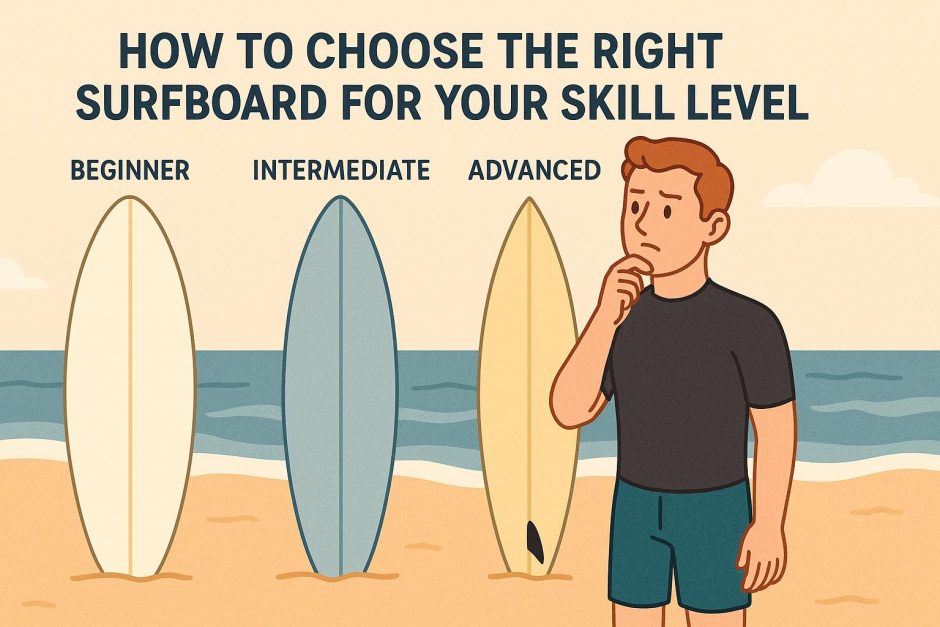
Before embarking on the selection process for a new surfboard, it’s imperative to assess your skill level accurately. This awareness of whether you are a beginner, intermediate, or advanced surfer serves as a cornerstone of making an informed decision when it comes to choosing a surfboard that is best suited for you. Each level of ability comes with its own set of requirements and preferences, which should guide your decision-making process.

Beginner Surfers

For individuals just diving into the world of surfing, the beginner stage is characterized by learning foundational skills. These include mastering the basics of paddling, maintaining one’s balance, and the initial stages of wave catching. At this level, safety, stability, and simplicity are key. A surfboard that provides substantial buoyancy and stability is crucial. A foamboard or a longboard meets these needs excellently. The forgiving nature of these boards allows for mistakes and promote a gradual learning curve, encouraging proper technique development over time without excessive risk.

Intermediate Surfers

As you progress and become an intermediate surfer, you will have developed a sound understanding of basic surfing concepts and better confidence in varying surf conditions. The primary objective at this stage is to enhance your maneuverability and speed on the waves. Therefore, selecting a board that offers a balance between stability and versatility is advantageous. A funboard or a mini-mal is typically well-suited for intermediates. These boards provide ample opportunity to experiment with more complex surfing maneuvers while maintaining enough buoyancy and control to instill confidence.

Advanced Surfers

When you reach the advanced level, your comprehension of various surf conditions and techniques becomes quite refined. The selection of a surfboard at this stage pivots towards performance. Advanced surfers often seek boards that offer high responsiveness and the capacity to navigate more challenging waves. A shortboard or a performance board generally meets these requirements effectively, providing the agility and precision needed for tackling steep and powerful waves.

Types of Surfboards

Understanding the different types of surfboards is crucial for selecting the right one to match your skill level and local surf conditions. Each board type has unique features impacting factors like balance, speed, and maneuverability, which should be aligned with your surfing goals.

Foamboards

Foamboards are especially recommended for beginners due to their excellent buoyancy and ease of handling. These boards foster a forgiving and safe environment for those learning to surf. Typically measuring between 6 to 9 feet in length, foamboards offer ample surface area, promoting smooth paddling and easier wave catching. Their soft exterior minimizes injury risk, making them a prime choice for new surfers.

Longboards

Longboards, known for their substantial length—ranging from 8 to 12 feet—provide remarkable stability. They are versatile and cater to a range of skill levels. Particularly effective in smaller wave conditions, longboards are ideal for those seeking a leisurely and stable ride. They also serve budding surfers learning complex balance techniques such as cross-stepping and nose riding.

Funboards

Intermediate surfers often find funboards to be an excellent choice, due to their balance of length and width, ranging from 6.5 to 8.5 feet. This particular design allows intermediates to hone their turning abilities and attempt more technical maneuvers. Funboards effectively bridge the gap between longboards and shortboards, offering enhanced control while still maintaining some elements of stability.

Shortboards

Shortboards are synonymous with speed and agility, making them the preferred option for advanced surfers dealing with more challenging surf conditions. Typically shorter and more pointed, these boards enable tight turns and swift maneuvers. They are engineered to manage steep, powerful waves efficiently, thus appealing to surfers aiming for high-performance sessions.

Factors to Consider

In addition to one’s skill level, several other factors are vital when determining the most suitable surfboard.

Wave Conditions

Local wave conditions play a significant role in determining the appropriate surfboard. In regions with smaller waves, opting for a larger board can offer greater stability and facilitate longer rides. Conversely, areas with robust waves justify the use of smaller, more maneuverable boards designed for quick and responsive turns.

Body Size and Weight

Your physical stature can markedly affect how you interact with your surfboard. Surfers with greater height or weight may benefit from larger or thicker boards, which provide the necessary buoyancy and support to effectively manage their body mass on water.

Volume

The concept of volume, expressed in liters, expresses the buoyancy capacity of a board. Beginners, in particular, should consider boards with higher volume, as they simplify balancing and aid with paddling efficiency. As one’s proficiency grows, a lower volume board can offer enhanced maneuverability and control.

Conclusion

Choosing the right surfboard is a decision intertwined with understanding your skill level, environmental surf conditions, and personal physical characteristics. This decision evolves alongside your progression within the sport, aligning your board choice with your advancing skills and surfing aspirations. For a tailored recommendation, reaching out to experts at local surf shops or consulting experienced surfers for their insights can be immensely beneficial. They can provide personalized advice, ensuring that your surfboard selection supports your outdoor adventures and growth as a surfer.

How to Overcome Fear of Deep Water for Water Sports

Understanding the Fear of Deep Water

The fear of deep water is a prevalent concern among many individuals, inhibiting them from engaging in water-based activities and sports. This phobia, affecting a significant portion of the population, often arises from diverse causes such as insufficient swimming abilities, past traumatic incidents involving water, or even inherited anxiety traits. The initial step in tackling this fear involves gaining an understanding of its underlying causes, setting a foundation for overcoming it.

Identifying Personal Triggers

Recognizing specific triggers is essential in addressing the fear of deep water. Each person’s fear may manifest differently, depending on personal experiences and perceptions. Common triggers might include the feeling of losing control when entering deep water, an inability to see the bottom which can evoke a sense of the unknown, or fears related to potential encounters with underwater creatures. Identifying these unique triggers allows you to develop targeted strategies to manage and gradually overcome the phobia. For instance, if your fear is rooted in the inability to touch the bottom, practicing floating techniques might be beneficial. Alternatively, if the presence of underwater creatures triggers anxiety, educating oneself about the actual risks posed by these creatures could reduce undue fear.

Building Confidence through Swimming Skills

A significant measure in alleviating the fear of deep water involves developing strong swimming skills. By enrolling in structured swimming lessons, you can progressively learn and master a range of techniques from basic to advanced levels, all within a controlled and safe environment. These lessons can significantly boost your confidence, as they provide not only the practical skillset necessary to maneuver through the water effectively but also enhance your trust in your ability to remain buoyant and navigate deep waters securely. As your competence and comfort in the water grow, the fear often diminishes proportionately.

Gradual Exposure to Deep Water

A method consistently recommended for reducing phobia is gradual exposure. It involves slowly acclimatizing yourself to the source of your fear, thus lessening its impact over time. Begin your practice in shallow waters where the environment feels secure and manageable. Gradually, increase your exposure by venturing into deeper sections as your confidence allows. The key to success with this approach is consistency—frequent practice can help you adapt both mentally and physically to the conditions presented by deep waters. The incremental exposure mitigates anxiety by showing that deep water, while intimidating, is navigable.

Using Relaxation Techniques

Incorporating relaxation techniques into your routine can aid in managing the physiological symptoms of anxiety related to deep water. Methods such as deep breathing exercises and mindfulness practices help calm the mind, mitigate stress, and focus thoughts away from fear. Regular practice of these techniques can equip you with a toolkit to utilize whenever you feel overwhelmed by fear. As your mind learns to associate deep water with relaxation rather than anxiety, the intensity of the phobia can decrease.

Engage in Visualizations

Visualization serves as a valuable mental exercise in overcoming phobias. Prior to confronting deep water, visualize yourself successfully and serenely swimming through it. This form of mental rehearsal not only bolsters confidence but also conditions your mind to anticipate a positive experience. Imagining yourself thriving in the water can ease trepidation and serve as a mental blueprint for actual scenarios, further reducing anxiety when you eventually face deep water.

Participating in Professional Courses

Engaging in professional courses designed specifically to tackle water-related fears can be instrumental in overcoming the fear of deep water. Such courses, often provided by swim clubs or specialized organizations, combine practical water skills training with psychological techniques that address individual anxieties. Professional instructors can offer personalized guidance, helping you better understand and confront your specific fears while promoting a supportive and encouraging environment.

Using Safety Equipment

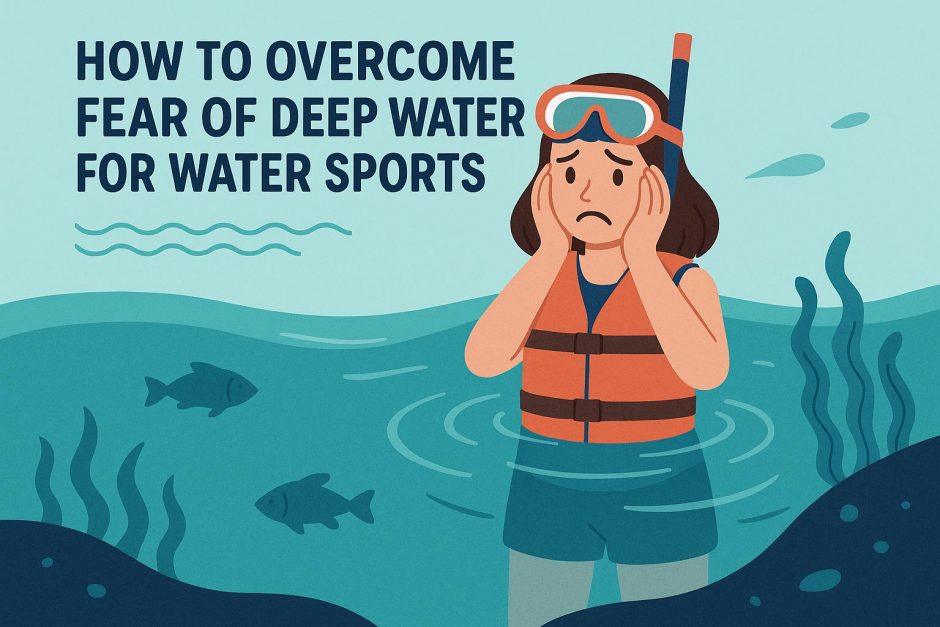
The employment of safety equipment, such as life vests or flotation aids, can provide an extra layer of security when entering deep waters. The knowledge that a safety device is present functions as a psychological safety net, allowing you to explore greater depths without the immediate fear of drowning. Over time, as your skills and confidence improve, you may find yourself relying less and less on these aids. This transition indicates a growing self-assurance in your abilities to handle deep water independently.

Additional Resources

Utilizing additional resources can supplement your journey in overcoming the fear of deep water. Books, online platforms, and consultations with experts offer valuable insights and techniques for dealing with phobias. These resources can provide both motivation and practical strategies, encompassing a wide array of perspectives and coping mechanisms. Organizations such as swimming associations and psychological experts commonly provide materials that delve into overcoming water-related fears. They present educational content that can be particularly beneficial for those seeking to manage their fear efficiently and sustainably.

In conclusion, while the fear of deep water is a common challenge, it is entirely manageable with a strategic approach. By identifying your personal triggers, acquiring robust swimming skills, and enlisting professional support when necessary, individuals can gradually overcome their apprehensions. Ultimately, this journey empowers you to enjoy a multitude of water sports and activities with newfound confidence and joy. With dedication and the right tools, what once seemed a formidable barrier can transform into a realm of enjoyment and opportunity.