
Understanding the Basics of Paddle Selection
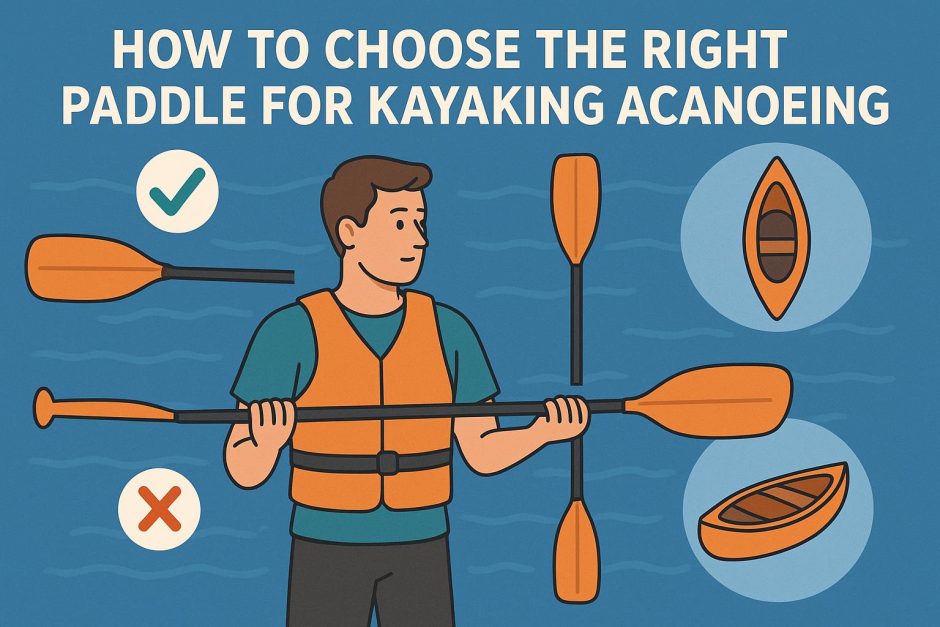
Choosing the right paddle for kayaking or canoeing is an essential step in optimizing your performance and comfort on the water. While the paddle may seem like a simple tool, the variety of options available can make the selection process quite complex. Understanding the basics will help you make an informed decision.
Length of the Paddle
The length of a paddle is a crucial factor to consider. It is often determined by the type of activity, your height, and the width of the kayak or canoe. For kayaking, a paddle that is too long can lead to inefficient strokes and fatigue, while one that is too short may not provide sufficient leverage. In canoeing, the paddle’s length is central to maintaining a comfortable and effective paddling position. It is generally advised to test different lengths to find the most suitable one.
Kayak Paddle Length
For a general rule, kayak paddles should be between 210 cm to 260 cm long. When selecting a length, remember that recreational kayaks usually require longer paddles, while narrower, performance-oriented kayaks work well with shorter ones. Factors such as torso height and personal preference also play a role in determining the ideal paddle length.
Kayak paddle length is a decision that combines various dimensions, including the paddler’s physique and the kayak’s construction. If you’re taller, you may naturally need a longer paddle, but the type of kayak you choose can shift these parameters. A wider kayak might necessitate a longer paddle to ensure efficient strokes, while a racing kayak, designed for speed and agility, may pair better with a shorter paddle to allow for quick maneuverability. It’s crucial to remember that what works for one person might not suit another. Hence, hands-on testing—borrowing or renting different paddles—can be particularly beneficial.
Canoe Paddle Length
Canoe paddles, in contrast, are typically measured in inches. A common guideline is to choose a paddle that reaches your chin when standing on flat ground. The varied specifications are due to differences in paddling style and positioning in a canoe, which generally require a shorter paddle than kayaking.
The technique and position adopted while canoeing greatly influence how different paddles perform. When sitting in a canoe, especially with your knees bent or in a kneeling position, a paddle that is too long can lead to awkward strokes, while one too short might compromise the power or reach of each stroke. Therefore, a balanced approach that considers both the canoe’s dimensions and your positioning within it proves indispensable. Paddlers often find that buying a paddle slightly longer and trimming to the ideal length—after experimenting—ensures precision suited to unique styles.
Blade Material and Shape
The material and shape of a paddle blade significantly influence performance and durability. Common materials include plastic, fiberglass, and carbon fiber, each offering a unique balance of weight, strength, and cost.
Factors to Consider
When examining blade materials, consider the trade-off between durability and weight. Generally, plastic blades are more affordable and durable, making them an excellent choice for beginners or those paddling in rocky conditions. Fiberglass offers a sturdy, mid-weight option, providing a balance between performance and versatility. Meanwhile, carbon fiber blades represent the premium end, prized for their exceptional lightweight properties and strength, ideal for experienced paddlers interested in long-distance or competitive activities.
Blade Shape
Blade shape comes in various configurations, impacting the paddle’s stroke efficiency and water grip. Symmetrical blades are best for beginners or all-purpose use, while asymmetrical blades are often preferred by advanced users for their enhanced performance and reduced resistance.
Diving deeper into blade shapes helps you discern how these designs translate into practical paddling performance. A symmetrical blade, with its simplicity, offers consistency and ease of use, making it an advantageous choice for those new to the sport. Conversely, asymmetrical blades are slightly offset, which means they cut through the water with increased power and less effort, a feature particularly useful for long paddling sessions or fast-paced activities. In some cases, dihedral blades, featuring a slight ridge down the center, promise more precise control and reduce flutter, further enhancing the paddling experience.
Shaft Material and Design
The shaft is an integral part of the paddle, and its material contributes to overall comfort and efficiency. Like blades, shafts can also be made from materials such as aluminum, fiberglass, or carbon fiber. Each material presents different weight and flexibility characteristics.
Importance of Shaft Design
Material choice directly affects how lively or comfortable a paddle feels during an extended session on the water. Aluminum shafts, while heavier, are affordable and suit those prioritizing durability over speed. Fiberglass shafts offer a lightweight alternative with a pleasant flex that absorbs shock, adding comfort—a middle ground in terms of price and performance. For those seeking top-tier performance, carbon fiber shafts stand out, offering the lightest and stiffest options.
Straight vs. Bent Shaft
A straight shaft is generally common and applicable to most paddling activities. However, a bent shaft can reduce wrist strain and provide a more ergonomic grip, especially in a canoeing context. Testing both styles can help determine the most comfortable design for your activities.
The decision often lies in personal comfort and the specific paddling context. In kayaking, a straight shaft offers versatility across a range of water conditions and paddling styles. Meanwhile, a bent shaft design is cherished in canoeing for its ergonomic advantage—minimizing wrist torsion and enhancing efficiency during longer paddles. An open mind and willingness to try different designs and materials can lead to a satisfying and personalized paddling experience.
Conclusion
Selecting the right paddle involves a blend of personal preference, specific activity requirements, and understanding of fundamental elements such as length, material, and design. By carefully considering these factors, you can ensure that your chosen paddle will enhance your efficiency and enjoyment on the water. For those interested in learning more about paddle selection, many kayaking and canoeing resources are available online to further aid in the decision-making process.