
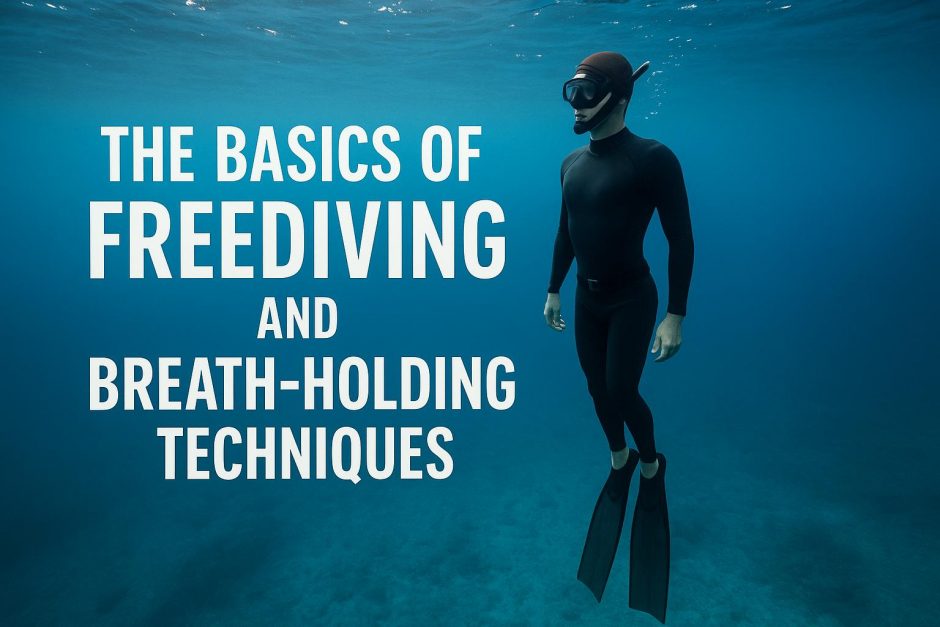
The Basics of Freediving and Breath-Holding Techniques

The Fundamentals of Freediving

Freediving, also known as apnea or breath-hold diving, is the practice of diving underwater while relying solely on a single breath of air. This form of diving requires no use of scuba gear or breathing apparatus, offering a pure and unencumbered connection with the aquatic environment. As a sport and recreational activity, freediving enables individuals to explore the underwater world in its most natural form, inviting both mental and physical challenges.

Understanding Freediving

At its core, freediving revolves around the art of breath control and the ability to adapt to the underwater world. This activity is more than just holding one’s breath; it involves a harmonious blend of mental and physical skills that divers develop through training and practice. As mood and focus are essential facets of freediving, divers must learn how to manage their oxygen usage efficiently to maximize their underwater experience. They also need to withstand the natural pressure changes that occur when descending into the depths.

The allure of freediving comes from its ability to push personal boundaries while allowing divers to engage closely with marine environments. Each dive holds potential discoveries, revealing vibrant marine life and unique topographies that are often hidden beneath the surface.

The Skills Involved

Freediving requires a delicate balance of physical fitness and mental focus. Training often involves developing core body strength and flexibility to facilitate smooth and efficient movements underwater, particularly as divers ascend and descend repeatedly. Similarly, the psychological component is crucial, fostering an unwavering concentration and calming nervous energy through grounding techniques such as meditation and visualization.

Types of Freediving

Freediving encompasses several disciplines, each differing in techniques and goals. These disciplines allow divers to specialize according to their interests and skills. Understanding these various types can help diversify one’s freediving practice and provide a comprehensive experience. Common forms include:

Static Apnea: This involves holding one’s breath while remaining stationary. The objective is to enhance basic breath-holding capabilities and achieve deep relaxation. This discipline focuses heavily on the mental fortitude required to remain calm and collected while submerged.

Dynamic Apnea: This discipline includes swimming horizontally underwater on a single breath, often covered over a set distance. Divers aim to maximize body efficiency and streamline movement to propel themselves over longer spans while conserving energy.

Constant Weight Freediving: In this form, divers descend and ascend using only their muscle power, without assistance from weights or buoyancy aids such as fins or sleds. This discipline demands significant strength and endurance as divers work against the water’s resistance.

For individuals interested in learning more about these styles, various organizations and schools offer specialized courses on freediving techniques. Such courses often include in-depth instruction on diving etiquette, safety practices, and skill development.

Breath-Holding Techniques

Mastering breath-holding is crucial for anyone interested in freediving. It involves several techniques that enhance the diver’s ability to hold their breath longer and descend deeper. By understanding and practicing these techniques, divers can more effectively manage the physiological demands of freediving.

Relaxation and Training

Relaxation is a cornerstone of breath control in freediving. Through relaxation, divers can significantly reduce their body’s oxygen consumption and regulate their heart rate. Methods like meditation and visualization play a key role in preparing the mind for the dive and facilitating a state of calm. These practices not only improve physical capacity but also build the mental fortitude required for extended breath-holds.

Breathing Techniques

Effective breathing techniques, such as “belly breathing” or diaphragmatic breathing, are integral to maximizing breath-hold capabilities. This method involves inhaling deeply through the nose, allowing the diaphragm to expand, and exhaling slowly to expel any residual carbon dioxide from the lungs. Divers also engage in breath-up routines before a dive, which help to maximize lung oxygen levels while minimizing unnecessary tension and anxiety.

Developing a strong understanding of individual breathing patterns allows divers to enter each dive with the confidence and knowledge needed to extend their time underwater. As divers refine these techniques, they often experience increased comfort and efficiency during their dives.

The Mammalian Dive Reflex

A fascinating physiological adjustment known as the mammalian dive reflex occurs when a person submerges in water. This reflex is an evolutionary adaptation that helps conserve oxygen by lowering the heart rate and directing blood flow towards vital organs. Understanding and leveraging this response can enhance a diver’s performance, allowing them to dive longer and more safely.

The mammalian dive reflex is triggered by the cooling of the face and the breath-hold itself, resulting in a series of bodily responses that optimize the use of available oxygen. Divers can potentially extend their bottom time by understanding how to initiate and optimally respond to these reflexes.

Safety Considerations

While freediving has numerous advantages, such as the sheer joy of connecting with underwater environments and the meditative nature of breath-holding, it carries inherent risks. Ensuring safety is paramount, involving appropriate training, understanding personal limits, and diving with a buddy.

Safety training teaches divers to recognize the symptoms of oxygen deficiency, such as dizziness or euphoria, which are crucial to avoid accidents. Divers are encouraged to remain vigilant about these warning signs and to communicate effectively with their peers while diving. Maintaining an open line of communication with a diving partner helps ensure mutual safety and provides support when tackling challenging conditions.

Organizations across the globe provide structured training and safety programs for budding divers. These programs often incorporate comprehensive guidelines on how to respond to emergencies and the best practices for maintaining safety throughout the dive.

In conclusion, freediving merges spirit and discipline, allowing individuals to engage with the ocean’s depths in a distinctive manner. By mastering the basic techniques and approaches, one can safely and effectively enjoy the underwater realm. The skills developed in freediving not only enhance aquatic exploration but also cultivate a profound respect and understanding of the natural world. As divers progress in their practice, an expanded sense of community often forms—connecting individuals through shared experiences and fostering a culture of environmental stewardship and safety awareness.

How to Train for a Triathlon’s Swimming Portion

Understanding the Triathlon Swim

The swimming portion of a triathlon often stands as the most intimidating segment for many participants, especially those who are new to the sport. A typical triathlon involves swimming in open water, with distances ranging from a sprint triathlon, marked by a 750-meter swim, to the challenging Ironman distance that encompasses a 3.8-kilometer stretch. Proper preparation for this segment demands an emphasis on technique, building endurance, and becoming accustomed to the conditions encountered in open water.

Focus on Technique

Mastering proper swimming technique serves a dual purpose in a triathlon. It not only assists in preventing fatigue but also enhances efficiency, offering a competitive advantage in the race. Through regular and focused practice, improvements can be made to your stroke mechanics, body position, and breathing.

Improving Stroke Mechanics

Achieving a streamlined position in the water is crucial for maximizing speed and efficiency. A pivotal aspect involves elongating your body with each stroke. Ensure that your hands enter the water smoothly and are used effectively to pull through each stroke cycle. To keep track of your form, leveraging tools like underwater video analysis or engaging in sessions with specialist coaches could prove beneficial.

Optimizing Breathing

Proper breathing techniques are essential for maintaining a consistent rhythm while swimming. Practicing bilateral breathing enables balancing your stroke and enhances comfort when swimming in open waters. Incorporating specific breathing drills within your training routine can significantly improve both efficiency and comfort during the swim.

Building Endurance

Constructing a regular and systematic training schedule plays a crucial role in building endurance. Ideally, aiming for at least three swim sessions each week is advisable, with a gradual increase in distance as your fitness level advances. Starting with shorter sessions, it is wise to focus on consistent, quality practice and progressively work toward longer distances as your endurance and confidence build.

Interval Training

Incorporating interval training into your swim sessions is an effective strategy to develop both speed and stamina. A practical example includes performing sets such as 10 x 100 meters at a fast pace, accompanied by rest periods in between. This method aids in enhancing your speed as well as endurance, vital components for a successful performance in the triathlon swim.

Familiarity with Open-Water Conditions

Relying solely on pool training can give a deceptive sense of preparedness. The open-water environment presents a distinct set of challenges, including varying currents, fluctuating temperatures, and often limited visibility. Recognizing and preparing for these variables is crucial to your effective preparation.

Practicing in Open Water

To develop a true acclimatization to open water conditions, scheduling regular training sessions in such environments is recommended. These practices can help you gain crucial skills like navigation and sighting, ensuring that you can maintain a straight-line course during the actual race.

Utilizing Equipment

If the event rules permit, consider practicing with a wetsuit. Swimming in a wetsuit alters buoyancy and movement, differing from standard pool swimming. Acclimatizing yourself to these changes bolsters your confidence and comfort during the race, potentially enhancing your overall performance.

Seek Professional Guidance

Enlisting the guidance of a professional coach or becoming part of a triathlon club can provide invaluable support and insights. A certified coach can craft personalized training plans to address specific weaknesses and offer motivational support throughout your journey towards race day success.

For more comprehensive resources and expert advice, it’s worth exploring specialized platforms like Triathlete and USA Triathlon. These sites offer a wealth of information and community support geared specifically for budding triathletes, which can reinforce your preparation and bolster your confidence as a competitor.

The Best Underwater Photography Tips for Divers

Understanding Your Equipment

Before even entering the water, it’s crucial to develop a solid understanding of your camera and its housing. Proper preparation is key to ensuring that your equipment functions well and is protected against potential water damage. The integrity of all seals in the camera housing is of utmost importance. Ensure that all seals are intact, thoroughly clean, and well-lubricated to prevent any water ingress. Despite technological advancements, water entering your equipment can spell disaster.

Knowing how to adjust settings such as ISO, white balance, and shutter speed while submerged is essential. This knowledge enables you to adapt to changing conditions underwater swiftly. Each camera model, particularly those housed in underwater casings, comes with unique button layouts and dials. It is vital to familiarize yourself with these specific controls. By doing so, you can change settings quickly without missing a shot, capturing those fleeting moments of marine life or vibrant coral reefs.

Choosing the Right Camera

The selection of an appropriate camera for underwater photography is a critical decision that influences the quality and ease of your photographic experience. DSLR or mirrorless cameras paired with compatible housings offer exceptional image quality but come with the downside of being bulkier and more expensive. These types of cameras can capture intricate details and provide greater control over exposure settings, making them suitable for serious photographers aiming for professional-grade results.

On the contrary, compact cameras with built-in underwater settings offer a more budget-friendly alternative. These cameras are generally easier to manage in the water due to their smaller size and lighter weight. While they may not provide the same level of control over settings as DSLRs or mirrorless cameras, they are an excellent option for beginners and those looking for convenience without sacrificing too much on image quality. Choosing a camera should always align with your expertise level and specific needs while diving.

Lighting Your Subject

Lighting is a crucial component of underwater photography, often presenting a challenge due to the effects of water on light absorption and scattering. These effects result in reduced color and contrast, which can impact the vibrancy of your images. To counteract these challenges, employing a strobe or underwater flashlight becomes essential. These lighting tools help restore colors, especially reds and oranges, which diminish as depth increases. Typically, the richer hues are the first to be lost beyond certain depths.

Properly positioning the light source is equally important to avoid backscatter, a common issue where light from your flash or strobe reflects off particles in the water, creating spots in your image. By angling the light source, you can significantly minimize this effect and capture clearer, more colorful images of your underwater subjects. This attention to lighting can transform flat, colorless photos into vivid, captivating compositions.

Techniques for Composition and Framing

Underwater photography requires an understanding of traditional photographic composition and adaptation to the unique aquatic environment.

Rule of Thirds

A fundamental guideline that continues to apply under the sea is the rule of thirds. Imagine dividing your frame into a grid of nine equal parts, and position key elements of your photo along these lines or their intersections. This method often leads to more balanced and engaging images, drawing the viewer’s eye to the naturally significant parts of your composition. Utilizing this technique effectively in underwater settings can help convey the beauty and intrigue of marine life and seascapes.

Close Focus, Wide Angle

One particularly effective technique in underwater photography is shooting with a close-focus, wide-angle approach. While it might seem counterintuitive, getting closer to your subject often results in better clarity and more vibrant colors. Water between the camera and subject can reduce image quality, so minimizing this distance is beneficial. Wide-angle lenses complement this approach by allowing the capture of captivating compositions that include both the subject and its surrounding environment without notable distortion. This perspective often results in dynamic and engaging images that tell a broader story about underwater worlds.

Pre-Dive Preparations

Careful preparation is essential before diving to optimize your photographic outcomes.

Presetting White Balance

The natural light underwater changes with depth, affecting how colors and brightness appear. Therefore, it’s crucial to preset your white balance to match the anticipated conditions at different depths. Generally, an underwater setting available on your camera or a manual white balance setting adjusted with a grey card works effectively. This preparation helps maintain accurate color reproduction, even in the inherently color-altering underwater environment.

Planning Your Dive

Planning is another integral component of successful underwater photography. Research the location you intend to explore and familiarize yourself with potential subjects and optimal times of day for natural lighting. Collaborate with your dive partner or guide to ensure safety and maximize photographic opportunities. Such planning allows you to make the most of your time underwater, focusing on capturing the images you envision.

Essential Post-Dive Practices

Beyond capturing remarkable images, maintaining your equipment post-dive is crucial for its longevity and performance.

Rinsing Your Gear

A consistently recommended practice post-dive is rinsing your camera and housing in fresh water. Salt and mineral residues can cause corrosion and damage if left on your equipment. Freshwater rinsing is one of the simplest yet most effective ways to preserve your gear, ensuring that it remains in excellent working condition for future dives.

Inspecting for Damage

After each dive, thoroughly inspect your equipment for any signs of wear or damage. Look for potential issues such as cracks in the housing, compromised seals, or fogged lenses. Address any problems immediately to prevent them from causing equipment failure in future endeavors. Regular inspections and maintenance form the backbone of reliable and long-lasting photographic equipment.

Conclusion

Mastering underwater photography requires a balanced approach, combining thorough preparation, skilled technique, and creative vision. Understanding your equipment, optimizing lighting, and strategically planning dives set a strong foundation for capturing stunning underwater images. Proper care of your gear further ensures that you can continue exploring the vivid and mysterious beauty of the aquatic world. For more detailed guidance on specific equipment and techniques, consider visiting this comprehensive resource on underwater photography.

How to Prepare for a Long-Distance Swim

Understanding the Requirements

Engaging in long-distance swimming requires a comprehensive understanding of its multifaceted demands. This form of exercise involves prolonged periods of swimming, which can range from several miles to numerous kilometers, contingent on personal goals and aspirations. Recognizing the physical and mental stamina necessary for maintaining a steady pace over such vast distances is essential. Swimmers engaged in these efforts often contend with a range of water conditions, including variable temperatures and currents, adding a layer of complexity to the endeavor. In tackling these challenges, a structured approach is imperative to meet the demands of long-distance swimming, ensuring both physical preparation and mental readiness.

Setting Realistic Goals

One of the foundational steps in preparing for a long-distance swim is to establish realistic, achievable targets. It is advisable to break down the swim into manageable segments, allowing for gradual progression in physical endurance without incurring excessive strain or injury. By setting practical goals, swimmers can track their progress over time, which is critical in ensuring the effectiveness of their preparation. An incremental approach not only enhances endurance but also builds confidence, enabling swimmers to tackle larger challenges in a structured manner. Therefore, realistic goal-setting becomes an integral part of the training process.

Choosing the Right Location

Selecting an appropriate swimming environment is essential for a successful long-distance swim. Whether choosing open water or a pool, each setting presents its own set of unique challenges. Open water swimming often necessitates adaptation to cold temperatures, waves, and varying currents, requiring swimmers to be prepared for dynamic conditions. Conversely, a pool offers a more controlled environment, enabling focused training on technique and pacing. When making a choice between these environments, it is important to consider one’s prior experience and comfort levels. Each option has its advantages, and understanding these can help in making an informed decision.

Developing a Training Plan

A comprehensive and well-structured training plan is indispensable for effective preparation. This plan should incorporate a diverse mix of swimming drills, endurance workouts, and interval training, each serving a distinct purpose. Swimming drills are centered around refining technique, which can significantly improve stroke efficiency and overall performance. Endurance workouts, on the other hand, are crucial for building the stamina necessary to sustain long-distance swims. Interval training, distinguished by variations in speed and intensity, is geared toward enhancing cardiovascular fitness. Engaging with a professional coach can provide personalized guidance tailored to individual training requirements.

Improving Technique

Refining swimming technique is key to minimizing energy expenditure and maximizing efficiency, allowing for longer and more effective swimming sessions. Swimmers should focus on refining strokes, optimizing body position, and enhancing breathing patterns. Recording swimming sessions for subsequent analysis can offer valuable insights into stroke form and areas for improvement. Regular assessment and adjustment of technique contribute to optimal performance, ensuring that swimmers are continually improving and adjusting to new challenges.

Building Physical and Mental Endurance

Developing both physical and mental resilience is a fundamental aspect of successful long-distance swimming. Physical preparedness, coupled with psychological readiness, fosters the endurance necessary for tackling extended swims.

Strength and Conditioning

Incorporating strength training exercises targeting the muscles engaged in swimming is essential to build physical endurance. Core exercises, such as planks and rotational movements, play a significant role in maintaining body alignment and enhancing power generation throughout the swim. Flexibility exercises, including stretching and yoga, prevent injuries by increasing range of motion and reducing the risk of strain. By integrating these exercises into a training regimen, swimmers ensure a well-rounded approach to strengthening and conditioning.

Nutritional Considerations

Nutrition is a critical component in supporting training and recovery for long-distance swimmers. A balanced diet rich in carbohydrates is vital for providing the energy required for extended workouts, while adequate protein intake aids in muscle repair and recovery. Hydration is also crucial, helping to maintain performance levels, particularly during extensive training periods. Consuming fluids and electrolytes aids in stamina and endurance, preventing dehydration. Seeking advice from a nutritionist can offer personalized guidance tailored to individual dietary requirements, enhancing overall readiness.

Mental Preparation

Building mental endurance is equally important for overcoming the challenges encountered during long-distance swims. Techniques such as visualization, mental conditioning, and setting positive affirmations significantly contribute to increased mental fortitude. Engaging in mindfulness practices and stress-relief techniques, such as deep breathing exercises, further enhance focus and concentration. Commitment to mental training ensures that swimmers are well-equipped to tackle the psychological demands of long-distance endeavors.

Open Water Considerations

For those preparing for open water swims, it is imperative to familiarize themselves with potential environmental challenges. Practicing in similar water conditions allows swimmers to acclimate to varying temperatures and current patterns. Adopting safety measures, such as swimming with a buddy and wearing brightly colored swim caps for visibility, should be prioritized to minimize risk. Understanding the dynamics of open water environments and preparing accordingly contribute significantly to the overall readiness and safety of the swimmer.

Conclusion

Preparing for a long-distance swim necessitates a delicate balance of physical training, technique refinement, and mental readiness. By establishing realistic goals, selecting the appropriate location, and adhering to a detailed training plan, swimmers can enhance their endurance and performance levels. Nutritional support, combined with mental resilience techniques, further bolsters preparation, equipping swimmers with a holistic approach to successful long-distance swimming. For additional resources and guidance, consultation with professional coaching services and engagement with online swimming communities can provide valuable support and insights.