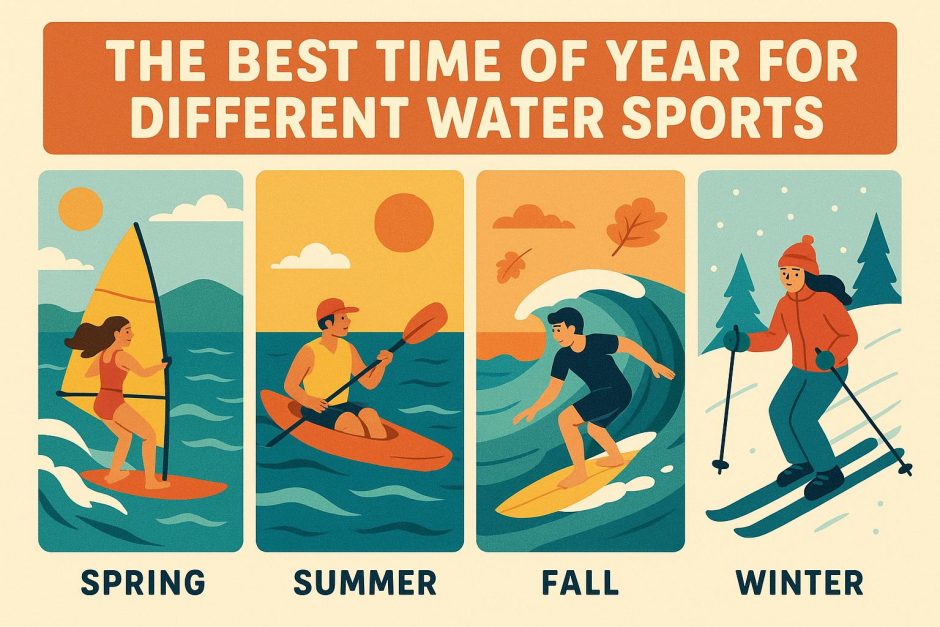
The Best Time of Year for Different Water Sports

Exploring Water Sports Across the Seasons

Water sports are a dynamic and engaging way to connect with nature and enjoy physical activity. The variations in weather conditions and regional climates play a crucial role in determining the best times to partake in different water sports. By understanding these variations and choosing the right seasons, enthusiasts can ensure safe and enjoyable experiences. This comprehensive guide delves into several popular water sports, providing insights into optimal conditions and locations for each.

Seasonal Insights for Surfing

Surfing remains one of the most exhilarating water sports, heavily dependent on wave quality. Seasonal weather patterns influence wave conditions significantly. In the Northern Hemisphere, particularly profound surf sessions can usually be experienced in the late summer and early fall. During these times, ocean swells, often fueled by distant storms, combine to produce some of the most consistent and surfable waves.

Navigating Surfing Destinations and Seasons

While surfing offers the possibility of enjoyment throughout the year in numerous locations, certain regions indeed stand out for their optimal surfing seasons:

Hawaii: Famed for the powerful winter swells that grace the North Shore of Oahu, surfers dream of riding these iconic waves from November to February.

California: Particularly the Central Coast, experiences a fruitful surfing period from late summer into fall, promising both quantity and quality waves.

Australia: In the Southern Hemisphere, surfing in Australia peaks from March through September, catering to enthusiasts in search of an escape from northern colds.

For real-time wave conditions, surfers can explore resources such as Surfline to tailor their surfing adventures to prevailing conditions.

The Dynamics of Kayaking

Kayaking offers a versatile exploration of waterways, where conditions can vary depending on the type of kayaking pursued. For those seeking whitewater thrills, spring emerges as an ideal time due to the melting snow that increases river flow. Conversely, those interested in sea kayaking may find late spring and early summer to offer smoother and more temperate experiences.

Exploring River Kayaking

North America: The river systems threading through the Rockies and Sierra Nevada experience heightened flow during the spring owing to snowmelt—a boon for whitewater kayakers.

Europe: Encompassing famed alpine rivers, these waterways boast ideal conditions between May and June, presenting fantastic opportunities for river kayaking.

Embracing Sea Kayaking

Alaska: Coastal sea kayaking in Alaska flourishes from June through August, not only due to calming conditions but also the spectacular wildlife encounters during this period.

Mediterranean: Late spring through early fall provides favorable conditions for sea kayak enthusiasts, offering warmer waters and tranquil exploration opportunities.

Understanding Windsurfing Conditions

Windsurfing thrives on a blend of strong and steady wind conditions, which differ greatly across geographic landscapes and local climates. Harnessing the right conditions can revive or hamper any windsurfing session.

Unveiling Prime Windsurfing Destinations

Maui, Hawaii: Known for its year-round trade winds, Maui’s prime windsurfing season extends from May to October, beckoning enthusiasts with reliable gusts.

Tarifa, Spain: Celebrated for the potent Levante winds, Tarifa becomes a hub of activity during the summer months, specifically between June and September.

For precise wind forecasts, windsurfers may refer to resources like Windguru to synchronize their outings with ideal conditions.

Diving into Scuba Diving Seasons

Scuba diving’s allure lies in the underwater world of clear waters and marine biodiversity. However, these features are deeply influenced by seasonal and location-specific factors. While tropical waters offer favorable conditions year-round, various attributes such as visibility and marine life encounters depend heavily on current weather and water conditions.

Highlighting Top Scuba Diving Seasons

Great Barrier Reef, Australia: Scuba divers flock here between June and August to exploit peak water clarity and encounter magnificent whale migrations.

Red Sea, Egypt: Scuba enthusiasts discover ideal conditions from September to November, featuring warm waters with impressive underwater visibility.

For trip planning or certification courses, divers can seek information from established organizations such as PADI to optimize their diving experiences.

Concluding the Adventure

Navigating the world of water sports can be immensely rewarding when timed with the appropriate seasonal peaks. These peaks influence factors essential to water sports, such as wave size, water temperature, and wind intensity. To ensure gratification and safety, enthusiasts must thoughtfully consider local climate conditions, geographic particularities, and personal skill levels. By understanding and respecting these dynamic aspects, both novice and seasoned participants can enhance their enjoyment and connection with the natural playgrounds that provide these unique water sporting opportunities.
The Role of Water Sports in Rehabilitation and Therapy

The Therapeutic Benefits of Water Sports

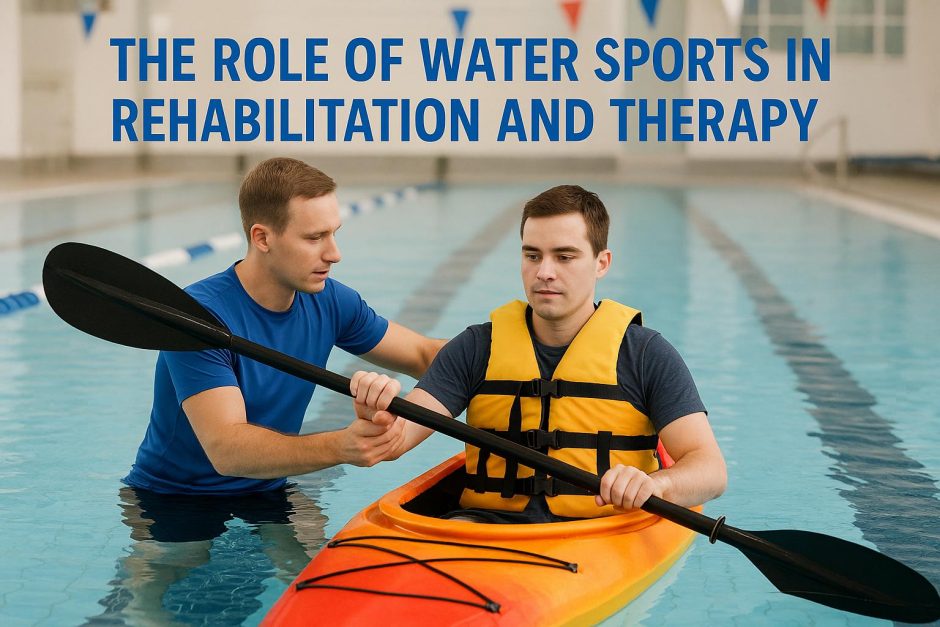
Water sports have emerged as a viable tool in the fields of rehabilitation and therapy. These activities, which range from swimming to kayaking, harness the unique properties of water to facilitate recovery and improve the quality of life for individuals dealing with physical and mental health challenges.

Physical Rehabilitation

Engaging in water sports provides numerous physical benefits, particularly for those recovering from injuries or surgeries. The buoyancy of water reduces the impact on joints and muscles, making it an ideal environment for those with limited mobility. This reduces the risk of further injury and allows for gradual rebuilding of strength and flexibility. Many rehabilitation programs incorporate aquatic activities such as water aerobics and aquatic walking because they enable patients to perform exercises that would be painful or impossible on land.

Water’s resistance also provides a natural form of strength training. When moving against the resistance of water, individuals engage more muscle groups than they would during similar exercises on land. This resistance helps in increasing muscle tone and building strength without the need for weights or machines. Additionally, water’s supportive nature allows for greater flexibility and range of motion, which is crucial for rehabilitation.

Enhancement of Motor Skills

Water sports contribute significantly to the enhancement of motor skills, especially for individuals with developmental disabilities or neurological conditions. Activities involving the coordination of various muscle groups, such as swimming or synchronized swimming, can improve balance, coordination, and fine motor skills over time. This improvement is particularly beneficial for patients with conditions such as cerebral palsy or those recovering after a stroke.

In the water, the reduction in gravitational forces allows for different approaches to motor skills development that are not feasible on land. As a result, individuals can attempt more complex movements, contributing to better neuromuscular control and the development of motor patterns that translate into everyday life. The immersive environment of water also provides continuous feedback, helping individuals adjust their movements to improve efficiency and control.

Psychological and Emotional Benefits

Beyond the physical advantages, water sports offer significant psychological and emotional benefits. The rhythmic nature of activities like swimming can have a calming effect, reducing stress and alleviating symptoms of anxiety and depression. The soothing properties of water provide a therapeutic environment that fosters a sense of tranquility, enhancing overall mood and psychological well-being.

Moreover, the sensory experience of being in the water can be therapeutic in itself. The temperature, pressure, and buoyancy create a multisensory environment that can be soothing to the nervous system, effectively reducing stress levels. Engaging in water sports can promote mindfulness and presence, helping individuals focus on the moment rather than on past or future concerns.

Social Interaction

Participating in group water sports can also promote social interaction and teamwork. This aspect of water sports develops interpersonal skills and combats the feelings of isolation and loneliness often experienced by individuals in rehabilitation programs. Engaging with peers in a supportive setting encourages social bonds and nurtures a sense of community.

Social interaction in water sports can take many forms, including group classes, team-based activities, or simply socializing during and after sessions. These interactions foster supportive relationships that can contribute to motivation and adherence to rehabilitation programs. The shared experience of overcoming challenges and achieving goals can strengthen connections and provide a sense of belonging that is critical for psychological well-being.

Case Studies and Research

Research supports the role of water-based exercise in rehabilitation, demonstrating significant improvements in strength, endurance, and overall well-being. Studies have shown that patients who participate in aquatic therapy sessions report higher levels of satisfaction and faster recovery times compared to traditional land-based rehabilitation exercises. This data underscores the importance of water sports not just as an exercise modality but as a comprehensive approach to rehabilitation.

Various studies highlight different aspects of the benefits of water sports. For instance, research involving individuals with arthritis has shown that aquatic therapy can significantly reduce pain and increase joint mobility. Meanwhile, studies on post-operative rehabilitation indicate that individuals engaging in water-based activities tend to experience quicker recovery and return to normal activities.

Innovative Water-Based Therapies

Innovative water-based therapies, such as aquatic yoga and hydrotherapy, are gaining traction as complementary therapies. These modalities, which integrate the principles of traditional exercise and the therapeutic properties of water, cater to a variety of conditions, from chronic pain to post-operative recovery.

Aquatic yoga, for instance, incorporates breathing exercises, poses, and meditation, all within the buoyant support of the water. This can help to extend the benefits of traditional yoga by enhancing relaxation and reducing the strain on muscles and joints. Hydrotherapy, which uses water for pain relief and treatment, leverages properties such as water temperature and pressure to achieve therapeutic effects.

Learn More About Aquatic Rehabilitation

For those interested in exploring the potential of water sports in rehabilitation and therapy, numerous resources are available from specialized aquatic therapy providers and clinics offering tailored programs. These organizations can provide insights into the specific benefits of water sports for individual needs and guide the implementation of water-based activities as part of a comprehensive therapeutic plan.

Working with experienced providers ensures that aquatic programs are appropriately tailored to meet the unique requirements of each participant. This customization is essential for maximizing the benefits of water sports and achieving the desired therapeutic outcomes.

In conclusion, water sports represent a multifaceted approach to rehabilitation and therapy, offering benefits that extend beyond the physical realm to encompass psychological and social well-being. The unique properties of water—such as buoyancy, resistance, and its calming effects—make it an exceptional medium for therapy and wellness. As research continues to shed light on the myriad benefits of aquatic activities, water sports are poised to play an increasingly prominent role in health and rehabilitation programs worldwide.

How to Stay Safe While Parasailing

Understanding Parasailing

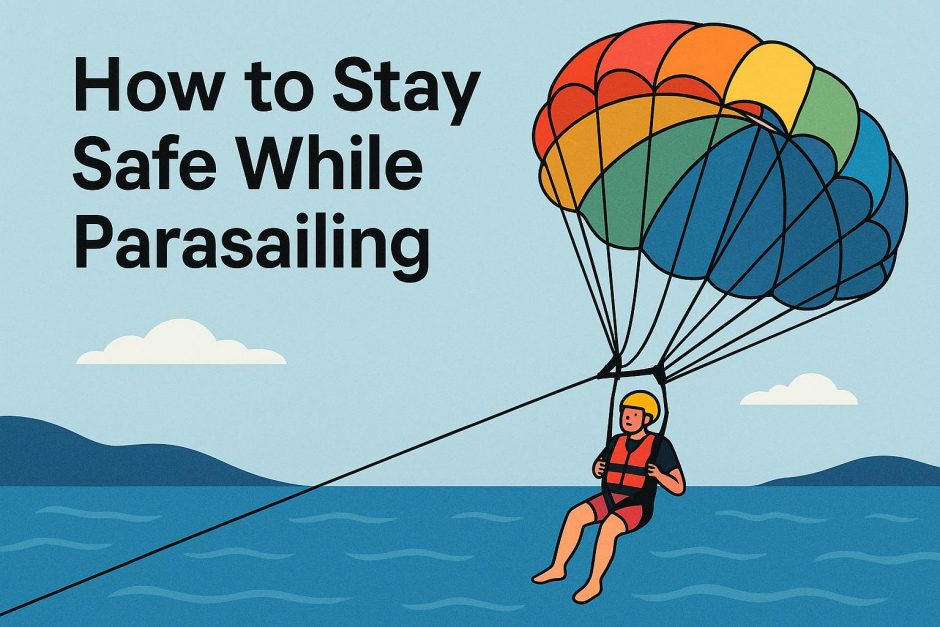
Parasailing is a recreational activity that has captivated the attention of adventure seekers and tourists alike due to its unique blend of parachuting, paragliding, and sailing techniques. As participants are towed behind a boat, they ascend into the sky, attached to a specifically designed parasail or parachute. This exquisite sport offers rare aerial views of the surrounding landscape, allowing participants to experience a sense of freedom and awe. Nevertheless, like any adventure sport, parasailing is not without its risks, making it essential for participants to approach the activity with a clear understanding of safety measures.

Choose a Reliable Operator

The first step in ensuring a safe and enjoyable parasailing experience is to select an experienced and reputable operator. This involves conducting thorough research into the company’s history and standing. Potential participants should make certain that the business holds valid licenses and required certifications, signifying that they adhere to the necessary safety standards. Valid licensing and certification can be a good indicator of the company’s dedication to safe operations. Reading customer reviews and seeking recommendations from seasoned parasailers can provide valuable insights into the operator’s reputation. In addition to personal experiences, these reviews can shed light on the company’s track record in safety and customer satisfaction. Ensuring their equipment is well-maintained and regularly inspected cannot be overstated, as faulty or outdated gear significantly increases the risk of accidents.

Understand Weather Conditions

Weather conditions play a decisive role in the safety of parasailing activities. Engaging in parasailing in adverse weather conditions, such as strong winds, rain, or approaching storms, can create hazardous situations. It is imperative that participants confirm that their operator actively monitors weather updates and is prepared to postpone trips if necessary. Operators should demonstrate a commitment to safety by making judgments based on accurate and timely weather forecasts. For participants, consulting trusted weather service websites like Weather.gov before embarking on a parasailing journey can also be beneficial. These services provide accurate and up-to-date weather forecasts that can inform decision-making, ensuring that one’s parasailing experience remains as safe as possible.

Wear Appropriate Gear

Dressing appropriately enhances both safety and comfort during a parasailing adventure. A well-fitting life jacket is an absolute necessity; it should fit snugly but remain comfortable throughout the duration of the activity. Some operators also offer helmets for additional protection, minimizing the risk of head injuries. Participants should avoid wearing loose clothing and accessories that could become entangled with the equipment. Securely fastening all items and opting for streamlined attire is advised. Furthermore, applying sunscreen and donning sunglasses serve to protect the skin and eyes from the sun’s harsh ultraviolet rays, contributing to a more comfortable experience.

Follow Instructions

Adherence to instructions provided by the parasailing crew can significantly enhance the safety of the experience. It is crucial to pay close attention to the safety briefing presented before take-off. This briefing usually contains key information on various aspects of parasailing, including how to safely take off, how to signal if there is an issue, and the proper landing posture. Participants should refrain from making any unauthorized adjustments to the harness or other equipment. Proper compliance with instructions minimizes the likelihood of accidents, ensuring a smooth and enjoyable parasailing experience from start to finish.

Communicate Any Concerns

Clear communication with the crew is essential, particularly if participants have any reservations or medical conditions that might impact their parasailing adventure. By communicating such concerns, the crew can provide guidance on whether it is safe to proceed or if additional precautions are necessary. It is essential to prioritize personal health and safety above the thrill of the sport, as unaddressed medical conditions could pose a serious risk during the activity. Participants should not hesitate to ask questions or seek clarification on any aspect of the experience that might cause apprehension.

In conclusion, while parasailing is an exhilarating combination of thrill and natural beauty, it demands diligent attention to safety protocols to mitigate potential risks. By carefully choosing a reputable operator, rigorously monitoring weather conditions, wearing suitable gear, adhering to all instructions, and maintaining open communication with the crew, participants can enhance their overall safety and enjoyment of the activity. Ultimately, parasailing offers an incredible opportunity to explore the skies and view the world from a new perspective, provided that all necessary precautions are taken to ensure a safe and memorable experience.

The Most Fun Water Sports for Families

Water sports serve as an engaging avenue for families to connect and participate in enjoyable, health-promoting activities. These enjoyable pastimes not only strengthen familial bonds but also promote teamwork and enhance communication skills. Engaging in water sports is an excellent way to incorporate physical activity into family routines, contributing to the overall health and well-being of all family members.

The Appeal of Water Sports for Families

Participating in water sports provides families with a unique blend of adventure, relaxation, and physical exercise. These activities enable family members to work together, enhancing their communication and teamwork abilities. Moreover, water sports foster an environment that encourages mutual support and cooperation, elements crucial for building strong family relationships.

Additionally, the health benefits of participating in water sports are notable. Most water sports provide excellent cardiovascular workouts, promote muscle strength, and improve flexibility and balance. Families engaging in these activities regularly may observe improvements in their physical fitness levels, energy, and stamina. The combination of physical exercise, fun, and family bonding makes water sports an appealing choice for family recreation.

Kayaking

Kayaking is a splendid water sport that accommodates a wide range of experience levels. By paddling a small craft through diverse waterways, families can enjoy being close to nature, experiencing both excitement and tranquility. Many locations provide guided tours for beginners, making it easy for families to start kayaking. Guided tours can enhance the experience by providing historical, geographical, or ecological insights into the area.

Besides providing a workout, kayaking is an excellent way to foster teamwork among family members. Each member must perform a specific role within the kayak to maintain balance and steer in the desired direction. This requires constant communication and synchronization, which can strengthen family bonds.

Snorkeling

Snorkeling offers an extraordinary opportunity for families to explore underwater life forms without needing extensive training or equipment. By using a snorkel, mask, and fins, participants can safely observe aquatic ecosystems. Snorkeling is typically done in coastal areas teeming with vibrant marine life, providing an immersive experience for families.

Tour operators often offer snorkelling excursions, complete with equipment rental and instruction. These guided tours can be particularly beneficial for families with younger children, ensuring safety while maximizing the learning and exploration aspects of the adventure. Snorkeling also provides a low-impact cardiovascular workout, making it a feasible option for family members of all ages and fitness levels.

Stand-Up Paddleboarding (SUP)

Stand-up paddleboarding involves standing on a large surfboard while using a paddle to navigate through the water. This activity is adaptable to various aquatic settings, including lakes, rivers, and oceans. While some practice is needed, especially for younger children, stand-up paddleboarding is incredibly rewarding. It offers an excellent opportunity for users to improve their balance, coordination, and core strength.

Many local sports centers and coastal communities offer lessons for families eager to try stand-up paddleboarding. One of the benefits of this activity is its versatility; families can opt for relaxing sessions on calm waters or more adventurous excursions on moving water.

Boating

Boating represents a classic family-friendly water activity. It offers a relaxing yet engaging experience, ideal for families seeking quality outdoor time together. Boats such as pontoons and small motorboats can often be rented from lakeside or marina facilities, providing a practical option for a day out on the water.

Families can combine boating with other activities such as fishing or water skiing, creating a comprehensive and fulfilling day on the water. While some boating pursuits may require a license, many facilities offer instructional sessions to help beginners get started, ensuring a positive experience for the entire family.

Tubing

Tubing is renowned for the thrill it provides to participants of all ages. This activity involves riding on an inflatable tube towed behind a boat, making it an exhilarating yet straightforward water sport. Unlike more skill-intensive options like water skiing or wakeboarding, tubing requires no experience, making it perfect for children and adults alike.

Many lakes and rivers equipped with the necessary facilities offer tubing experiences, often featuring safety-conscious operators. This ensures that families can enjoy the adventure of tubing without compromising on safety measures. Tubing is a fantastic addition to family vacations, providing laughter and excitement in a secure setting.

Canoeing

Canoeing offers families a leisurely approach to exploring waterways, providing an opportunity to appreciate nature’s serenity. Like kayaking, canoeing involves paddling through water but generally allows for a more relaxed pace. This can be appealing for families looking to enjoy the sights and sounds of nature without rushing.

Many national parks and nature reserves offer canoe rentals and guided tours to enrich the family’s outdoor experience. Canoeing can also spark a deeper appreciation for natural environments, teaching children about ecosystems and wildlife encountered during the journey.

Surfing

Surfing provides a thrilling experience for families eager to tackle a more challenging sport. While learning to surf can be complex, most coastal regions feature surf schools offering lessons tailored to family groups. Children can start practicing on smaller waves, gaining skills progressively.

Many surf schools provide family packages that encourage group participation and learning. Families who engage in surfing benefiting from improved balance, coordination, and focus, while enjoying the unforgettable exhilaration of catching a wave.

Safety Considerations

Safety should be a top priority when engaging in water sports. Families must ensure they have access to vital safety equipment, such as life jackets, and adhere to all professional safety instructions. Recognizing water conditions and weather patterns is vital for maintaining safety throughout these activities.

Additionally, it is crucial to choose activities that match the skill level and age of all participants. Ensuring that each family member feels comfortable and secure will contribute to a more positive experience. Families eager to learn more about water sports and safety should consider consulting local resources or organizations dedicated to promoting safe and enjoyable water-related activities.

In conclusion, water sports offer a versatile and enriching option for family activity, balancing the benefits of physical exercise with the joys of adventure and relaxation. By carefully considering interests, skill levels, and safety precautions, families can create memorable experiences while enjoying the vast opportunities water sports have to offer.