
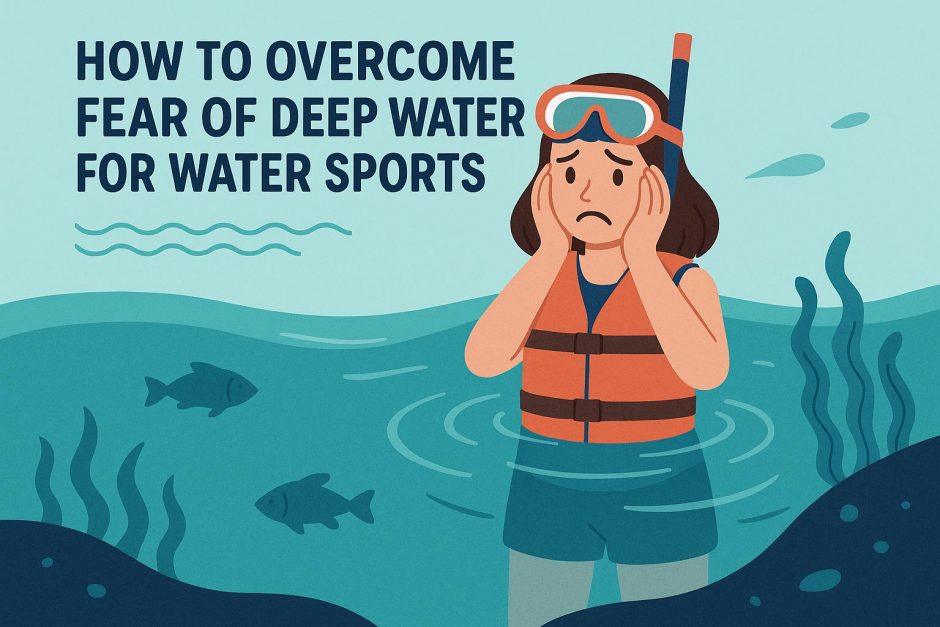
Understanding the Fear of Deep Water
The fear of deep water is a prevalent concern among many individuals, inhibiting them from engaging in water-based activities and sports. This phobia, affecting a significant portion of the population, often arises from diverse causes such as insufficient swimming abilities, past traumatic incidents involving water, or even inherited anxiety traits. The initial step in tackling this fear involves gaining an understanding of its underlying causes, setting a foundation for overcoming it.
Identifying Personal Triggers
Recognizing specific triggers is essential in addressing the fear of deep water. Each person’s fear may manifest differently, depending on personal experiences and perceptions. Common triggers might include the feeling of losing control when entering deep water, an inability to see the bottom which can evoke a sense of the unknown, or fears related to potential encounters with underwater creatures. Identifying these unique triggers allows you to develop targeted strategies to manage and gradually overcome the phobia. For instance, if your fear is rooted in the inability to touch the bottom, practicing floating techniques might be beneficial. Alternatively, if the presence of underwater creatures triggers anxiety, educating oneself about the actual risks posed by these creatures could reduce undue fear.
Building Confidence through Swimming Skills
A significant measure in alleviating the fear of deep water involves developing strong swimming skills. By enrolling in structured swimming lessons, you can progressively learn and master a range of techniques from basic to advanced levels, all within a controlled and safe environment. These lessons can significantly boost your confidence, as they provide not only the practical skillset necessary to maneuver through the water effectively but also enhance your trust in your ability to remain buoyant and navigate deep waters securely. As your competence and comfort in the water grow, the fear often diminishes proportionately.
Gradual Exposure to Deep Water
A method consistently recommended for reducing phobia is gradual exposure. It involves slowly acclimatizing yourself to the source of your fear, thus lessening its impact over time. Begin your practice in shallow waters where the environment feels secure and manageable. Gradually, increase your exposure by venturing into deeper sections as your confidence allows. The key to success with this approach is consistency—frequent practice can help you adapt both mentally and physically to the conditions presented by deep waters. The incremental exposure mitigates anxiety by showing that deep water, while intimidating, is navigable.
Using Relaxation Techniques
Incorporating relaxation techniques into your routine can aid in managing the physiological symptoms of anxiety related to deep water. Methods such as deep breathing exercises and mindfulness practices help calm the mind, mitigate stress, and focus thoughts away from fear. Regular practice of these techniques can equip you with a toolkit to utilize whenever you feel overwhelmed by fear. As your mind learns to associate deep water with relaxation rather than anxiety, the intensity of the phobia can decrease.
Engage in Visualizations
Visualization serves as a valuable mental exercise in overcoming phobias. Prior to confronting deep water, visualize yourself successfully and serenely swimming through it. This form of mental rehearsal not only bolsters confidence but also conditions your mind to anticipate a positive experience. Imagining yourself thriving in the water can ease trepidation and serve as a mental blueprint for actual scenarios, further reducing anxiety when you eventually face deep water.
Participating in Professional Courses
Engaging in professional courses designed specifically to tackle water-related fears can be instrumental in overcoming the fear of deep water. Such courses, often provided by swim clubs or specialized organizations, combine practical water skills training with psychological techniques that address individual anxieties. Professional instructors can offer personalized guidance, helping you better understand and confront your specific fears while promoting a supportive and encouraging environment.
Using Safety Equipment
The employment of safety equipment, such as life vests or flotation aids, can provide an extra layer of security when entering deep waters. The knowledge that a safety device is present functions as a psychological safety net, allowing you to explore greater depths without the immediate fear of drowning. Over time, as your skills and confidence improve, you may find yourself relying less and less on these aids. This transition indicates a growing self-assurance in your abilities to handle deep water independently.
Additional Resources
Utilizing additional resources can supplement your journey in overcoming the fear of deep water. Books, online platforms, and consultations with experts offer valuable insights and techniques for dealing with phobias. These resources can provide both motivation and practical strategies, encompassing a wide array of perspectives and coping mechanisms. Organizations such as swimming associations and psychological experts commonly provide materials that delve into overcoming water-related fears. They present educational content that can be particularly beneficial for those seeking to manage their fear efficiently and sustainably.
In conclusion, while the fear of deep water is a common challenge, it is entirely manageable with a strategic approach. By identifying your personal triggers, acquiring robust swimming skills, and enlisting professional support when necessary, individuals can gradually overcome their apprehensions. Ultimately, this journey empowers you to enjoy a multitude of water sports and activities with newfound confidence and joy. With dedication and the right tools, what once seemed a formidable barrier can transform into a realm of enjoyment and opportunity.