
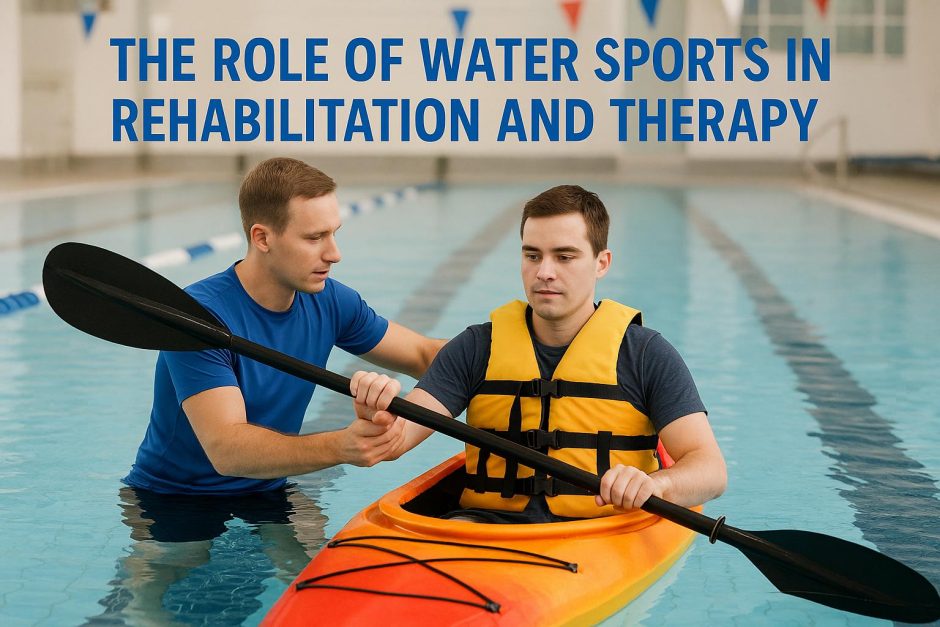
The Therapeutic Benefits of Water Sports
Water sports have emerged as a viable tool in the fields of rehabilitation and therapy. These activities, which range from swimming to kayaking, harness the unique properties of water to facilitate recovery and improve the quality of life for individuals dealing with physical and mental health challenges.
Physical Rehabilitation
Engaging in water sports provides numerous physical benefits, particularly for those recovering from injuries or surgeries. The buoyancy of water reduces the impact on joints and muscles, making it an ideal environment for those with limited mobility. This reduces the risk of further injury and allows for gradual rebuilding of strength and flexibility. Many rehabilitation programs incorporate aquatic activities such as water aerobics and aquatic walking because they enable patients to perform exercises that would be painful or impossible on land.
Water’s resistance also provides a natural form of strength training. When moving against the resistance of water, individuals engage more muscle groups than they would during similar exercises on land. This resistance helps in increasing muscle tone and building strength without the need for weights or machines. Additionally, water’s supportive nature allows for greater flexibility and range of motion, which is crucial for rehabilitation.
Enhancement of Motor Skills
Water sports contribute significantly to the enhancement of motor skills, especially for individuals with developmental disabilities or neurological conditions. Activities involving the coordination of various muscle groups, such as swimming or synchronized swimming, can improve balance, coordination, and fine motor skills over time. This improvement is particularly beneficial for patients with conditions such as cerebral palsy or those recovering after a stroke.
In the water, the reduction in gravitational forces allows for different approaches to motor skills development that are not feasible on land. As a result, individuals can attempt more complex movements, contributing to better neuromuscular control and the development of motor patterns that translate into everyday life. The immersive environment of water also provides continuous feedback, helping individuals adjust their movements to improve efficiency and control.
Psychological and Emotional Benefits
Beyond the physical advantages, water sports offer significant psychological and emotional benefits. The rhythmic nature of activities like swimming can have a calming effect, reducing stress and alleviating symptoms of anxiety and depression. The soothing properties of water provide a therapeutic environment that fosters a sense of tranquility, enhancing overall mood and psychological well-being.
Moreover, the sensory experience of being in the water can be therapeutic in itself. The temperature, pressure, and buoyancy create a multisensory environment that can be soothing to the nervous system, effectively reducing stress levels. Engaging in water sports can promote mindfulness and presence, helping individuals focus on the moment rather than on past or future concerns.
Social Interaction
Participating in group water sports can also promote social interaction and teamwork. This aspect of water sports develops interpersonal skills and combats the feelings of isolation and loneliness often experienced by individuals in rehabilitation programs. Engaging with peers in a supportive setting encourages social bonds and nurtures a sense of community.
Social interaction in water sports can take many forms, including group classes, team-based activities, or simply socializing during and after sessions. These interactions foster supportive relationships that can contribute to motivation and adherence to rehabilitation programs. The shared experience of overcoming challenges and achieving goals can strengthen connections and provide a sense of belonging that is critical for psychological well-being.
Case Studies and Research
Research supports the role of water-based exercise in rehabilitation, demonstrating significant improvements in strength, endurance, and overall well-being. Studies have shown that patients who participate in aquatic therapy sessions report higher levels of satisfaction and faster recovery times compared to traditional land-based rehabilitation exercises. This data underscores the importance of water sports not just as an exercise modality but as a comprehensive approach to rehabilitation.
Various studies highlight different aspects of the benefits of water sports. For instance, research involving individuals with arthritis has shown that aquatic therapy can significantly reduce pain and increase joint mobility. Meanwhile, studies on post-operative rehabilitation indicate that individuals engaging in water-based activities tend to experience quicker recovery and return to normal activities.
Innovative Water-Based Therapies
Innovative water-based therapies, such as aquatic yoga and hydrotherapy, are gaining traction as complementary therapies. These modalities, which integrate the principles of traditional exercise and the therapeutic properties of water, cater to a variety of conditions, from chronic pain to post-operative recovery.
Aquatic yoga, for instance, incorporates breathing exercises, poses, and meditation, all within the buoyant support of the water. This can help to extend the benefits of traditional yoga by enhancing relaxation and reducing the strain on muscles and joints. Hydrotherapy, which uses water for pain relief and treatment, leverages properties such as water temperature and pressure to achieve therapeutic effects.
Learn More About Aquatic Rehabilitation
For those interested in exploring the potential of water sports in rehabilitation and therapy, numerous resources are available from specialized aquatic therapy providers and clinics offering tailored programs. These organizations can provide insights into the specific benefits of water sports for individual needs and guide the implementation of water-based activities as part of a comprehensive therapeutic plan.
Working with experienced providers ensures that aquatic programs are appropriately tailored to meet the unique requirements of each participant. This customization is essential for maximizing the benefits of water sports and achieving the desired therapeutic outcomes.
In conclusion, water sports represent a multifaceted approach to rehabilitation and therapy, offering benefits that extend beyond the physical realm to encompass psychological and social well-being. The unique properties of water—such as buoyancy, resistance, and its calming effects—make it an exceptional medium for therapy and wellness. As research continues to shed light on the myriad benefits of aquatic activities, water sports are poised to play an increasingly prominent role in health and rehabilitation programs worldwide.