
Understanding Rapids
Whitewater rafting involves navigating rapids, which are sections of a river characterized by increased water turbulence. Rapids vary widely, not only in terms of appearance but also in the level of challenge they present to rafters. This challenge is organized into a classification system ranging from Class I to Class VI. Class I rapids are considered the easiest and safest, featuring small waves and minimal obstacles; they are usually suitable for beginners and require little maneuvering skill. In contrast, Class VI rapids are extremely challenging and dangerous, demanding high levels of expertise and experience; these rapids can pose serious risk, even to seasoned rafters.
Importance of Rapid Classification
Understanding rapid classifications is vital for any rafting activity as it helps participants select an appropriate stretch of river according to their abilities and experience. For example, novice rafters may prefer Class I or II rapids, which provide a basic introduction to rafting. Intermediate levels might aim for Class III rapids where moderate maneuvering skills are necessary. More advanced rafters often seek the thrill of Class IV and V rapids, which offer rigorous challenges and require precise control and teamwork.
Preparing for the Adventure
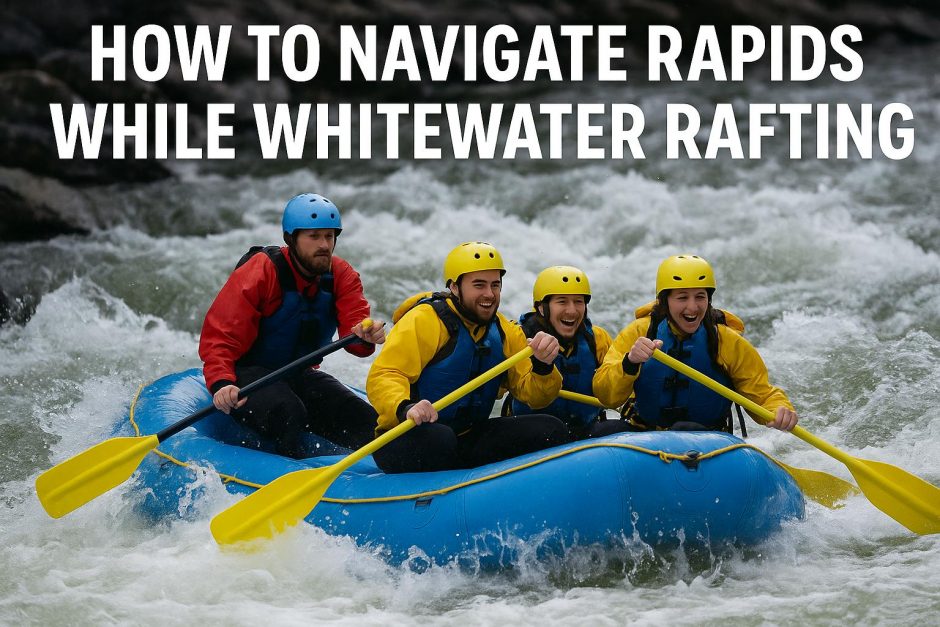
Embarking on a whitewater rafting adventure involves comprehensive preparation, which centers around ensuring all participants are equipped with the necessary safety equipment. This equipment typically includes a helmet to protect against head injuries, a secure life jacket suitable for whitewater conditions, and a robust pair of shoes that provide good grip and protection in wet environments. In addition to personal safety gear, bringing a waterproof bag for storing essentials such as a mobile phone, snacks, or a first-aid kit can be advantageous during the trip.
Attending a Safety Briefing
Before entering the water, attending a safety briefing is essential. During this session, a professional guide will provide crucial information, covering necessary techniques, identification of potential hazards, and clarification of emergency procedures to ensure participant safety. Paying close attention during this briefing is necessary, and participants are encouraged to clarify doubts by asking questions to gather all relevant information.
Techniques for Navigating Rapids
The art of navigating rapids effectively is a confluence of individual skills, knowledge, and teamwork. Each participant plays a crucial role in traversing turbulent waters safely. Cultivating expertise in several techniques enhances maneuverability and helps tackle the challenges that come with various types of rapids.
Reading the Water
A key skill in whitewater rafting is the ability to read the water. This involves looking ahead and identifying obstacles such as rocks or fallen branches, as well as avoiding areas where the water recirculates or flows backward, known as hydraulics or holes. Identifying routes where the water runs smoothly and swiftly can facilitate safer passage through the rapids, reducing risks and mitigating challenges.
Paddle Management
The technique of paddle management is fundamental. Participants should firmly grasp the paddle, keeping the upper hand on the grip and utilizing the shaft with the lower hand for leverage. This grip helps rafters harness both power and precision in their strokes. Coordination among team members is equally important as it allows the group to respond efficiently to the guide’s commands, especially in challenging rapids.
Basic Strokes
Mastering basic paddle strokes is a crucial component of rafting technique:
- Forward Stroke: This stroke is essential for propulsion. It is performed by submerging the paddle blade at the rafter’s feet and pulling it back smoothly through the water, enabling the raft to move forward steadily.
- Backward Stroke: The backward stroke is the converse of the forward stroke and is used to slow down or move the raft backward, a critical skill when approaching obstacles or needing to adjust positions quickly.
- Draw Stroke: The draw stroke moves the raft sideways, an advantageous maneuver for evading obstacles or aligning the raft optimally within the river channel.
Communication
Effective communication stands at the heart of successful rafting. Familiarizing oneself with various hand signals and verbal commands is crucial. These communication methods ensure all team members are promptly informed of impending actions or conditions, facilitating seamless coordination and swift responses to unforeseen changes or obstacles.
Adapting to the Environment
Navigating rapids demands awareness and adaptability to environmental factors such as changing weather conditions that can alter water levels and flow speeds, directly impacting rafting conditions. Swift adaptation to these variables is crucial to safe and enjoyable rafting.
Staying Calm Under Pressure
Maintaining tranquility in challenging situations is paramount. Panic often exacerbates risks and complicates the management of difficult scenarios. Remaining calm, adhering to the guide’s advice, and fostering team collaboration enhance safety. In case of falling out of the raft, the “nose and toes” safety position is recommended: lying on one’s back with feet directed downstream and the nose above water, ensuring buoyancy and minimal risk of injury from underwater obstacles.
Conclusion
Whitewater rafting through rapids offers a unique blend of excitement, requiring skillful navigation and a heightened sense of safety awareness. By adequately preparing, understanding the river’s dynamic environment, and ensuring cohesive teamwork, participants can maximize enjoyment while safely tackling the inherent challenges of this thrilling adventure sport.