How to Plan a River Tubing Adventure

Choosing the Right River for Your Tubing Adventure

When organizing a river tubing adventure, selecting the most suitable river is a crucial first step. To make an informed choice, various factors such as the river’s current, length, and surrounding environment should be considered. River currents vary significantly, with some offering gentle, meandering flows ideal for beginners, and others providing more challenging experiences for seasoned tubers. Additionally, the river’s length is important; shorter routes are often preferable for beginners, while longer excursions may be more suitable for adventurous participants seeking a more extended experience.

It is essential to conduct thorough research on a river’s reputation and any specific regulations related to tubing activities. Many state park websites and local tourism boards provide in-depth descriptions and safety guidelines, making them an excellent resource for gathering this critical information. Such sites often detail the difficulty levels of various river sections and clarify any mandatory safety equipment or permits required for tubing.

Essential Gear and Supplies

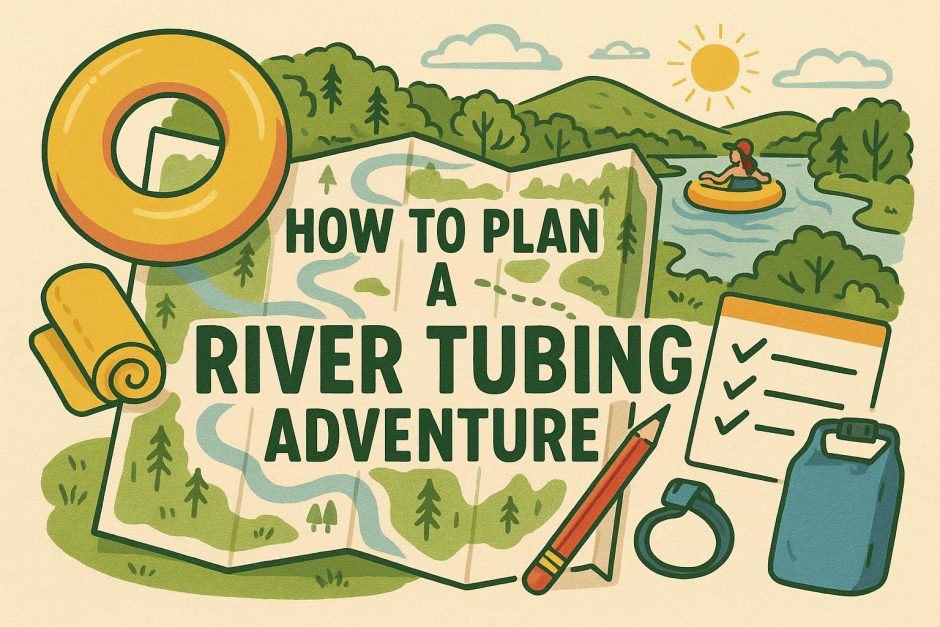
Ensuring a successful river tubing adventure necessitates the gathering of several vital pieces of equipment and supplies. While the seemingly straightforward activity of tubing might appear to require minimal gear, having the right items can enhance both enjoyment and safety. A durable and well-inflated tube is of utmost importance. Choose a tube specifically designed for river tubing, as it is constructed to endure diverse water conditions and potential obstacles such as rocks or branches.

Beyond the tube itself, several other items should be included in your preparation checklist. Sunscreen is vital for protection against harmful UV rays, while water shoes offer enhanced traction on slippery surfaces and safeguard your feet from sharp objects underwater. Additionally, wearing a reliable life jacket is highly recommended, even for strong swimmers, as it provides an extra measure of safety.

For sun protection, consider wearing a brimmed hat and UV-protection sunglasses. These items help shield your face and eyes from sun exposure, allowing you to focus on the scenic journey down the river.

Navigating the Weather

Weather conditions play a significant role in planning a river tubing excursion. Simply put, a careful assessment of the local weather forecast is indispensable before setting out. Ideally, sunny and clear conditions are perfect for an enjoyable tubing day. However, such conditions can also pose risks of sunburn or dehydration. Thus, it is prudent to pack ample water to stay hydrated and apply waterproof sunscreen to minimize the risk of sun damage to your skin.

River tubing should be avoided during adverse weather situations, especially thunderstorms or unexpected weather changes. Under such circumstances, rivers can become perilous and difficult to navigate safely. It is crucial to prioritize safety over adventure and, if necessary, reschedule the outing to a later date with favorable weather conditions.

Understanding River Etiquette and Safety

River tubing is not just about fun; it entails a responsibility to adhere to etiquette and safety measures. Respect for private property along riverbanks is a fundamental rule. Tubers should refrain from trespassing onto adjacent lands and be mindful of maintaining a respectful distance. Similarly, keeping noise levels low is considerate to both the natural wildlife and other river patrons.

Safety is paramount, and it is vital to abide by designated tubing areas. Straying too far from the group or venturing into undesignated river sections can require expert navigation and result in potential danger. Therefore, maintaining proximity to fellow tubers is important. Additionally, establish a prearranged meeting spot if anyone gets separated from the group, and carry a waterproof phone or communication device for emergency purposes.

Planning for Logistics and Transportation

Handling logistical considerations is a critical component of a well-organized river tubing experience. This begins with planning the transportation to and from the river. Evaluating parking facilities at the tubing site, especially during peak seasons, is prudent to ensure availability. While many tubing sites offer designated parking areas, it’s always wise to confirm details in advance.

For those arranging their own transportation, it’s important to plan for the conclusion of the tubing route. Careful arrangements can prevent unnecessary confusion or inconvenience at the end of the day. Notably, many tubing companies conveniently offer shuttle services. These services allow tubers to enjoy a relaxed outing without needing to worry about the intricacies of returning to personal vehicles or other logistical considerations.

Lastly, more comprehensive advice on planning a seamless tubing adventure might be sought from local outfitters or river adventure services. Such entities often provide valuable updates and insights into tubing-specific issues, with a focus on enhancing both the safety and enjoyment of river adventures. As local experts, they can offer practical advice and ensure tubers are well-prepared to embark on an unforgettable river adventure.
How to Perform Basic Kayaking Maneuvers

Understanding the Basics of Kayaking

Kayaking is an engaging water sport that allows you to explore waterways with ease and control. Before you begin mastering specific maneuvers, it’s essential to understand the fundamental components of kayaking equipment. The primary components include the kayak, paddle, personal flotation device (PFD), and appropriate clothing for water conditions. Make sure you have the right equipment tailored to your skill level and intended water environment.

Components of Kayaking Equipment

The foundational aspect of kayaking revolves around the equipment you use. Selecting the right kayak is crucial, and it should be based on the type of waterway you plan to navigate. The kayak should offer a balance between stability and maneuverability for the best experience.

The Paddle: This is your primary tool for propulsion and steering. It’s essential to select a paddle that complements your kayaking style and strength. Consider the material of the paddle; lightweight materials like carbon fiber can reduce fatigue over prolonged use.

Personal Flotation Device (PFD): Safety is paramount in kayaking, and wearing a PFD while paddling is non-negotiable. It provides buoyancy in case of falling overboard or capsizing, making it easier to float until you can regain control or reach the shore.

Clothing: The appropriate clothing for kayaking should protect you from both the sun and the water. In colder conditions, wear a wetsuit or drysuit to retain body heat. In warmer climates, breathable, UV-protective clothing is advisable to avoid overheating and sunburn.

Paddle Grip and Posture

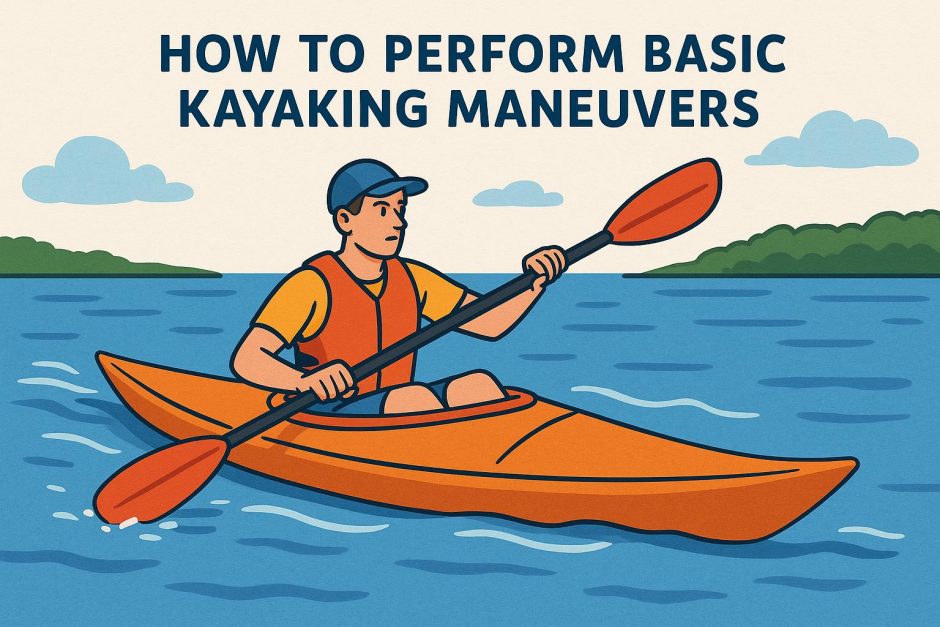
Begin by ensuring you grip the paddle correctly. Place your hands shoulder-width apart on the paddle shaft; this width provides optimal control and power. Keep your grip relaxed to prevent strain. Maintain an upright sitting posture in the kayak with your feet comfortably resting on the foot pegs. This balanced position will allow you to respond effectively to water conditions and execute maneuvers efficiently.

Grip Technique

The way you hold the paddle significantly impacts your efficiency and endurance on the water. Your hands should form a light ‘O’ shape around the paddle to prevent fatigue and ensure quick movements. A firm yet relaxed grip will sustain longer paddling sessions without causing discomfort or cramping.

Posture Importance

Sitting upright in the kayak helps with balance and the effective execution of strokes. It also allows ease of movement, allowing you to shift your body weight as needed when encountering waves or obstacles. Proper posture can enhance stability and paddling effectiveness, reducing stress on the lower back and promoting better overall control of the kayak.

Executing Basic Kayaking Maneuvers

Having a comprehensive understanding of basic kayaking maneuvers is essential to your navigation and overall kayaking enjoyment. Mastering these basics forms the bedrock of safety and efficiency on the water.

Forward Stroke

The forward stroke is fundamental to keeping your kayak moving efficiently in a straight line. Begin by rotating your torso and placing the paddle in the water near your toes. Pull the paddle alongside the kayak in a straight line. Use your core muscles for power, rather than solely relying on your arms. Ensuring symmetry in your strokes will help maintain a straight path.

Technique for Efficiency

Engaging your entire body, particularly your core, optimizes the force applied with each stroke. This holistic approach not only enhances speed but also mitigates the risk of muscle fatigue by distributing exertion evenly across various muscle groups.

Reverse Stroke

To stop or reverse the kayak’s movement, use the reverse stroke. Position the paddle near your hip and push it towards the bow (front) of the kayak. This motion will slow down your kayak, eventually bringing it to a stop or moving it backward. Practicing control over this maneuver is crucial for effective navigation and safety.

Reverse Stroke Application

The mastery of a controlled reverse stroke facilitates quick adjustments in dynamic water conditions, offering precision when repositioning or avoiding obstructions. Understanding this technique enhances a kayaker’s confidence in adjusting course swiftly and accurately.

Sweep Stroke

The sweep stroke is essential for turning your kayak efficiently. To turn left, place the right paddle blade in the water near the bow and sweep a wide arc towards the stern (back) of the kayak. For a right turn, perform the stroke on the left side. By using your torso and not just your arms, you can execute turns more effectively.

Sweep Execution Tips

Incorporating a wide, dynamic motion using the sweep stroke enables smoother transitions and directional changes. Consistent practice can significantly improve your capability to navigate tight spaces or circumvent natural obstacles like rocks or branches.

Other Useful Maneuvers

Several other essential maneuvers can enhance your kayaking experience. Mastering these can greatly improve your maneuvering skills:

Draw Stroke: The draw stroke allows you to move your kayak sideways. This is particularly useful for docking or aligning yourself with other kayaks. Place the paddle in the water parallel to the kayak and pull towards it. Avoid submerging the blade too deeply, as this can destabilize your kayak.

Low Brace: A low brace is an essential recovery stroke if you feel you are losing balance. Hold your paddle horizontally near your waist and push down against the water surface to regain stability. Practice this in calm conditions to build confidence.

Practice for Proficiency

To enhance proficiency in these maneuvers, consistent practice in various environmental conditions is vital. This approach ensures adaptability, improving your reaction time and effectiveness in real-world kayaking scenarios.

Learning in Safe Environments

It’s advisable for beginners to practice these maneuvers in controlled environments. Consider taking a kayaking course or practicing with experienced kayakers in calm, familiar waters. Practicing in such an environment will provide you with the confidence and skills needed for more challenging conditions.

The Value of Structured Learning

Engaging in formal instruction can significantly accelerate learning curves, as experienced instructors can provide insights into technique refinements and safety protocols essential for new kayakers. Many kayaking clubs offer beginners’ courses that foster a sense of community, enhancing learning through peer support and shared experiences.

Environmental Considerations

Understanding local water conditions and weather patterns is crucial in ensuring safety while kayaking. Avoid venturing into unfamiliar or potentially hazardous waterways without adequate preparation or knowledge. Prioritizing safety includes checking weather forecasts, water temperatures, and understanding potential wildlife interactions within your kayaking locale.

For further details on kayaking techniques, consider visiting instruction resources or joining local kayaking clubs. Always prioritize safety, wear appropriate safety gear, and be mindful of weather conditions.

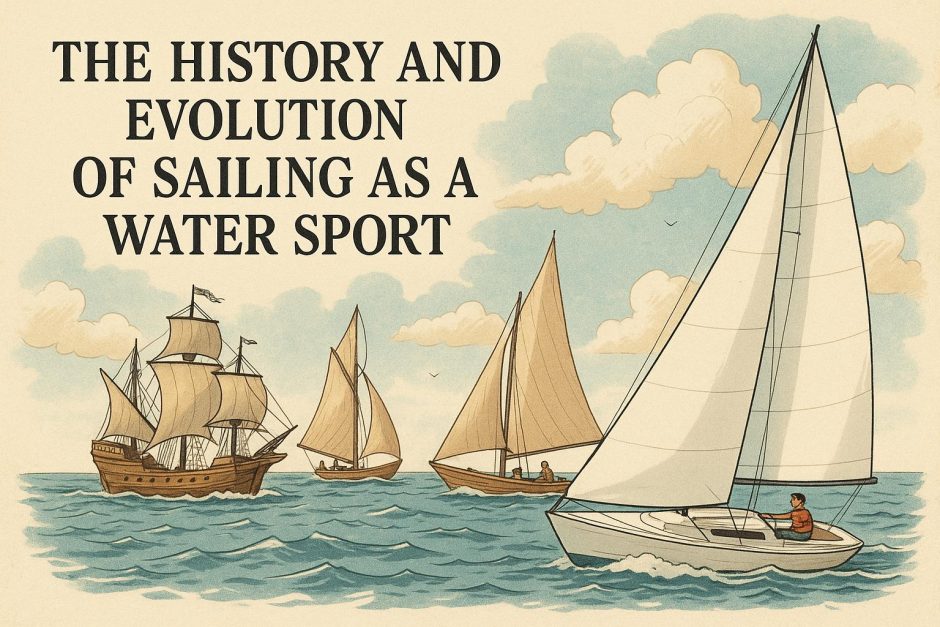
The History and Evolution of Sailing as a Water Sport

The Origins of Sailing

The captivating history of sailing stretches back millennia, revealing the ingenuity and adaptability of early civilizations. Long before the modern era, these societies began to understand and exploit the vast potential of wind power for transportation, trade, and exploration. As we delve deeper into the origins of sailing, it becomes evident that this ancient practice was not only a testament to human innovation but also a pivotal factor in the expansion of cultures and knowledge across ancient worlds.

Egyptian Contributions: The Egyptians are often credited with some of the earliest use of sailboats, dating back as far as 3500 BCE. Archaeological evidence, including depictions in hieroglyphs and recovered models from tombs, demonstrates their reliance on simple sailboats. These vessels were primarily used on the Nile River, allowing for efficient transportation of goods and people. The uncomplicated design, often consisting of a single square sail, served as a foundation for future advancements in sailing technology.

Phoenician Pioneers: Another early civilization renowned for their expertise in maritime activities were the Phoenicians. This seafaring culture, based in the region of modern-day Lebanon, capitalized on their strategic coastal position to develop formidable sailing vessels. The Phoenicians utilized multi-oared galleys accompanied by sails, allowing them to skillfully navigate the Mediterranean Sea. Their advancements in ship design and nautical knowledge laid critical groundwork for the maritime practices that would follow.

Advancements During the Age of Exploration

The Age of Exploration, spanning the late 15th to early 17th centuries, was a pivotal era in the evolution of sailing. This period was marked by unprecedented maritime ventures, driven by Europe’s thirst for knowledge, resources, and dominance. Among the various innovations that emerged during this time, the development of the caravel stands out as a monumental advancement.

The Caravel’s Influence: Originating in Portugal, the caravel was a small, highly maneuverable sailing ship that played a crucial role in the success of exploratory missions. Its distinguished design featured a combination of square and lateen sails, thus enabling enhanced navigation across both open seas and coastal waters. Explorers like Vasco da Gama and Christopher Columbus relied on these agile vessels, which significantly contributed to the era’s landmark voyages.

Expanding Horizons: As nations expanded their horizons during the Age of Exploration, the role of sailing in global history became increasingly pronounced. This period saw the mapping of previously uncharted territories, establishment of trade routes, and the integration of diverse cultures – all made possible through advancements in sailing technology and techniques. The impact of these developments is evident in the rich tapestry of cultural exchange and global connectivity that defines much of modern history.

The Rise of Competitive Sailing

The subsequent evolution of sailing into a formal competitive sport represents a fascinating chapter in its history, characterized by a spirit of innovation, camaraderie, and friendly rivalry.

Birth of the America’s Cup: The inception of the America’s Cup in 1851 marked a turning point in competitive sailing. This prestigious event, which has been held ever since, was born out of a transatlantic race emanating from a bet that showcased not only national pride but also the burgeoning interest in recreational sailing. Over the years, the America’s Cup has evolved into a global spectacle, drawing elite sailors and cutting-edge yachts from around the world.

Creating Standards: As the popularity of competitive sailing soared, the need for standardized rules and classifications became clear. These developments laid the foundation for modern sailing competitions, ensuring fair play and safety while fostering an environment that encouraged technological and tactical innovation.

Technological Advancements and Modern Sailing

The technological revolution of the 20th century brought transformative changes to the world of sailing, enhancing performance, safety, and accessibility.

Material Innovations: One of the most significant advancements was the introduction of fiberglass hulls, which replaced traditional wooden constructions. This shift not only increased the durability of boats but also markedly improved their performance and speed. Alongside this, the development of synthetic sails constructed from materials like Dacron provided sailors with more efficient and durable options, further pushing the boundaries of what could be achieved on the water.

Electronic and Navigational Tools: In addition to material improvements, the 20th century also saw groundbreaking advancements in electronic and navigational tools. The integration of GPS technology and modern navigation systems has enhanced sailors’ ability to chart precise courses, thus contributing to safer and more efficient voyages.

Sailing in Contemporary Culture

Today, sailing remains a popular and revered water sport, continuing to attract enthusiasts of all ages and backgrounds. This enduring appeal lies in the unique combination of skill, strategy, and an intimate connection with nature that sailing offers its participants.

Global Events and Recognition: Contemporary sailing boasts numerous high-profile events, such as the Volvo Ocean Race and the Olympic Sailing competition. These events not only showcase the sport’s widespread popularity but also celebrate the competitive spirit and deep-rooted maritime traditions that define sailing culture.

Fusion of Tradition and Innovation: As sailing continues to evolve, it embraces a fusion of tradition and modernity, offering endless opportunities for innovation and adventure. From serene recreational outings to thrilling competitive races, sailing provides a platform for individuals to engage with the natural elements, fostering a profound appreciation for the environment and the timeless art of sailing.

In conclusion, the rich history of sailing is a story of human ingenuity, exploration, and competition, stretching from ancient civilizations to the modern world. Sailing’s evolution, marked by significant technological advancements, has shaped the sport’s current landscape, making it a deeply revered pursuit that seamlessly blends heritage with cutting-edge innovation, captivating sailors and enthusiasts around the globe.

The Best Destinations for Snorkeling Adventures

Exploring Top Snorkeling Destinations

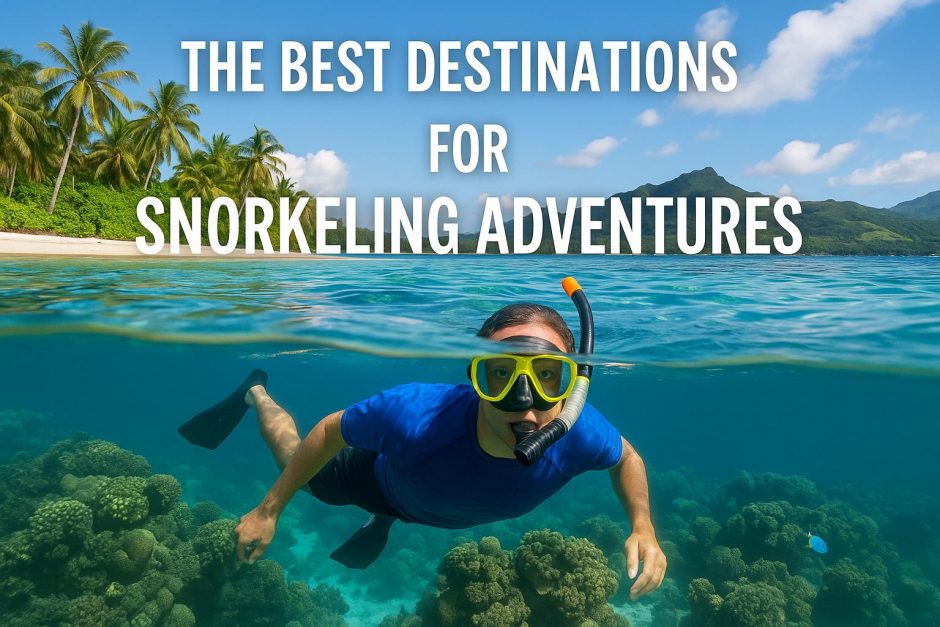
Snorkeling allows for an immersive experience in the unparalleled beauty of underwater ecosystems, presenting an opportunity to witness marine life in its natural environment. Whether you’re a seasoned snorkeler or a novice seeking adventure, certain global locations are distinguished by their rich biodiversity and crystalline waters. Let’s delve into some of these exquisite snorkeling destinations.

The Great Barrier Reef, Australia

Arguably the most famous snorkeling destination globally, the Great Barrier Reef, stretches over 2,300 kilometers along the northeast coast of Australia. This vast coral reef system is home to a multitude of marine species, offering an extraordinary snorkeling experience. With a myriad of coral formations, the reef provides a stunning backdrop that enchants visitors seeking to explore marine biodiversity. The underwater world here is alive with vibrant corals and marine creatures, each contributing to a complex and fascinating ecosystem.

Visitors can encounter an extensive array of marine life, from the smallest of plankton to large sea creatures like turtles and sharks. The Great Barrier Reef’s diverse marine life and carefully preserved ecosystem make it an aspirational destination for snorkelers around the world. Besides the underwater experience, many tours and activities around the reef contribute to conservation efforts, allowing snorkelers to enjoy the beauty of the marine world responsibly.

Belize Barrier Reef, Belize

Right off the coast of Belize, the Belize Barrier Reef promises another magnificent snorkeling experience. Considered a UNESCO World Heritage Site, the area is renowned for its wealth of marine biodiversity. The reef is a thriving underwater haven, teeming with hundreds of species of fish and coral. It presents an inviting opportunity for both beginners and seasoned snorkelers due to its warm, shallow waters that are ideally suited for exploration.

The Hol Chan Marine Reserve stands out as a particularly popular site within the Belize Barrier Reef. Known for its abundant marine life and easy access, it attracts snorkelers eager to explore its diverse ecological offerings. From vibrant coral gardens to the plentiful fish species, snorkeling here is both an educational and exhilarating experience.

Maui, Hawaii, USA

The Hawaiian island of Maui is a treasure trove for snorkelers, offering an array of fantastic sites that promise unforgettable aquatic adventures. Among them, the Molokini Crater is the most celebrated. This partially submerged volcanic crater, with its clear waters and abundance of marine life, offers a one-of-a-kind snorkeling experience. As one navigates through its crystalline waters, the vivid marine life and colorful corals provide a visual feast.

Turtle Town, another well-loved site, is renowned for the frequent presence of Hawaiian Green Sea Turtles. Swimming alongside these ancient creatures is an experience filled with wonder. Maui’s diverse snorkeling locations make it a prime destination for those eager to explore unique volcanic formations and rich marine environments.

The Maldives

Comprising 26 atolls, the Maldives is a snorkeling paradise that offers an abundance of coral reefs and lagoons, ideal for underwater exploration. The islands are famous for their vibrant marine life, including species like reef sharks, manta rays, and a myriad of colorful fish. For those seeking an adventure intertwined with tranquility, the Maldives provides numerous opportunities to discover its extensive and pristine reefs.

The clear, calm waters of the Maldives also enhance the snorkeling experience, allowing snorkelers to venture leisurely among the coral reefs while observing the island’s rich marine biodiversity. The harmonious blend of adventure and relaxation makes the Maldives a top choice for snorkeling enthusiasts worldwide.

As these destinations illustrate, snorkeling provides an extraordinary opportunity to explore the wonders of the marine world. Each location offers unique experiences, showcasing the incredible variety and beauty of underwater life. However, the appeal of snorkeling goes beyond witnessing marine wonders; it also involves a responsibility to protect these fragile environments. Practicing responsible snorkeling behaviors ensures that these natural habitats remain preserved for future generations to enjoy.

In planning your next snorkeling adventure, consider these destinations that promise not only breathtaking sights but also a deeper appreciation and understanding of the world’s marine ecosystems. From the vastness of Australia’s Great Barrier Reef to the serene beauty of the Maldives, each site offers a window into the captivating world beneath the ocean surface. As we explore these undersea havens, the importance of conserving and respecting these environments becomes increasingly clear, encouraging a mindful approach to enjoying the ocean’s splendor.

How to Train for Competitive Rowing

Understanding the Basics of Competitive Rowing

Competitive rowing is an intricate blend of athletic prowess, technical skill, and strategic planning. This endurance sport demands much more than mere physical strength; it requires a comprehensive understanding of various elements that contribute to a team’s success on the water. To excel in competitive rowing, athletes must cultivate their physical abilities while mastering the technical nuances of their sport. Equally important is the strategic component, encompassing race strategies and optimal nutrition, which plays a significant role in distinguishing successful rowers from their competitors.

Physical Conditioning

The cornerstone of competitive rowing is physical conditioning, which involves a well-rounded training program. Physical conditioning in rowing is not merely about building muscle or improving one’s stamina; it entails a holistic approach that balances aerobic conditioning, strength training, and flexibility exercises. This trifecta ensures that rowers are adequately prepared to face the physical demands of their sport.

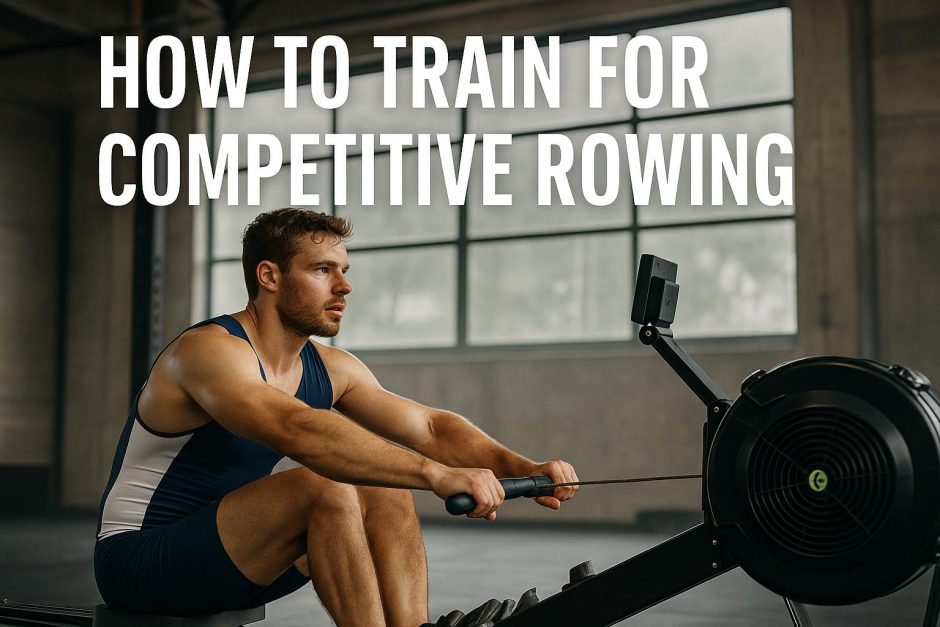
Aerobic Conditioning: Cardiorespiratory endurance is crucial for rowers as the sport requires sustained energy output over extended periods. Aerobic conditioning is developed through steady-state rowing—whether on water or using ergometers, also known as rowing machines. The goal is to enhance the body’s oxygen consumption capacity, which directly affects endurance. As athletes push through lengthy sessions, they reinforce their cardiovascular system, enabling them to maintain a strong and consistent pace throughout the race.

Strength Training: At the heart of a powerful rowing stroke is the coordinated strength of several muscle groups. The primary force of the stroke originates from the legs, with significant contributions from the back and arms. To build this power, rowers engage in squats, deadlifts, and pull-ups, among other exercises. These movements not only fortify the muscles but also promote muscle coordination and control, which are essential during the rowing stroke. Strength training also mitigates the risk of injury by reinforcing muscle structures and improving overall muscular endurance.

Flexibility: Flexibility is often an overlooked component of athletic training, yet it is vital in rowing. Flexibility aids in achieving the optimal technique required for efficiency in strokes and minimizing the risk of injury. Stretching exercises, complemented by practices like yoga, enhance a rower’s range of motion. An increased range of motion facilitates better movement execution and can lead to improved stroke length, which is crucial for greater boat speed.

Technical Skills

While physical strength is paramount, mastering technical skills is equally critical in competitive rowing. The technical aspect revolves around minimizing water resistance and maximizing speed efficiency, achieved through several key elements.

Grip and Handling: The initial point of contact between the athlete and the water is the oar. Maintaining a firm but relaxed grip is essential, ensuring that the oars are managed effectively while minimizing muscle tension. Rowers are encouraged to keep their wrists flat to prevent fatigue and optimize the transfer of power through each stroke.

Body Movement: A well-executed stroke is smooth and seamless, characterized by the harmonious movement of the rower’s body. The emphasis is on a powerful leg drive, coupled with proper posture to maximize efficiency. Coordinated body movement ensures optimal energy transfer from the athlete to the water. Training should emphasize refining these movements to develop a natural and effective rowing rhythm.

Timing and Synchronization: Synchronization is a critical factor, especially in team boats, where the collective effort yields maximum propulsion. Rowers work diligently on timing, focusing on rhythm through drills that emphasize uniformity. Developing this cadence within a team results in cohesive motion, reducing drag and maximizing speed through the water.

Race Strategy

Success in competitive rowing is also deeply influenced by race strategy. This aspect of rowing governs how rowers approach their races, including pacing, lane navigation, and adaptive strategies.

Pacing: Proper pacing is a fine balance of effort and endurance. Rowers must start with a strong initial burst to establish position but then strategically conserve energy for a powerful finish. Consistent training allows athletes to determine the optimal distribution of effort to optimize their performance over the entire race duration.

Lane Navigation: How a team navigates their lane can significantly affect race outcomes. Navigating involves understanding wind and water dynamics to choose the most efficient path. Teams regularly practice navigation strategies, working to fine-tune their ability to respond to variable race conditions.

Adaptation: A race can often have unforeseen challenges, requiring quick reflexes and strategic adaptability. Rowers must be ready to alter their strategies in response to changing circumstances, such as weather variations or competitors’ maneuvers. This flexibility is an invaluable asset, granting competitive advantages and resilience in the face of difficulties.

Nutrition and Recovery

A rower’s performance is deeply tied to their nutritional habits and recovery practices. Optimal nutrition fuels workouts and expedites recovery, playing an integral role in overall performance.

A diet encompassing carbohydrates, proteins, and healthy fats sustains energy levels and aids muscle recovery after intense training sessions. Carbohydrates act as a primary energy source, proteins help in muscle repair, while healthy fats contribute to overall bodily functions. Hydration, often co-existing with nutrition, is prioritized to maintain performance and prevent dehydration-induced fatigue.

Recovery practices are equally crucial, comprising adequate rest and sleep, which are essential in preventing overtraining. Recovery helps the body repair its muscles following exertion and prepares athletes for subsequent training sessions. Structured rest days and symptom monitoring are critical in identifying when an athlete may be nearing burnout, enabling timely adjustments to training regimens.

In conclusion, competitive rowing is a multifaceted sport demanding a balance of physical and technical attributes, strategic contemplation, and dedicated focus on nutrition and recovery. For those seeking in-depth advice, seeking guidance from rowing coaches or professionals in sports science is recommended. Engaging with community resources and online forums can offer further insights and support to navigate the challenges of competitive rowing effectively. Implementing these foundational principles consistently enables rowers to achieve their aspirations in the sporting realm.