
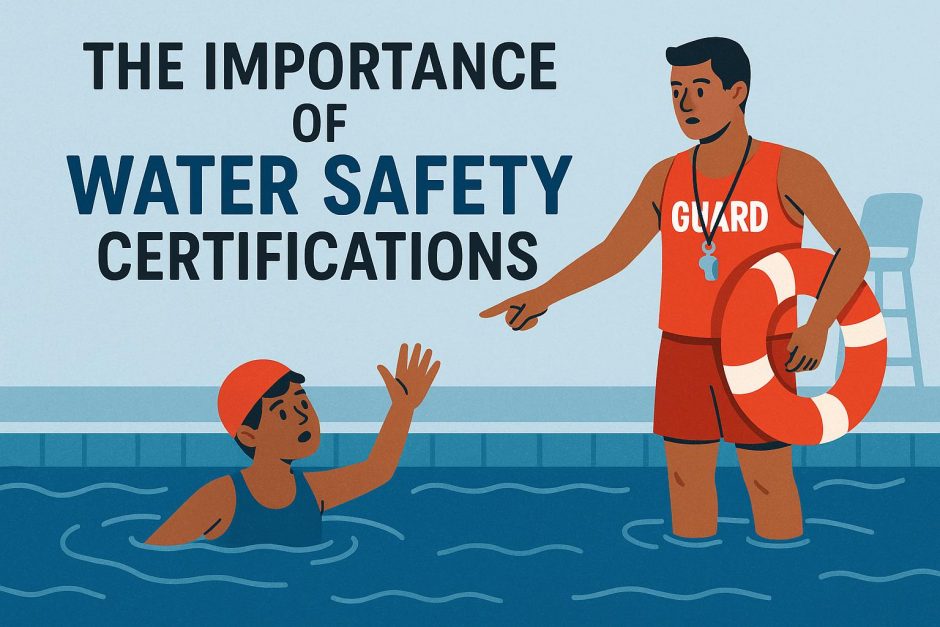
Water Safety Certifications: A Crucial Step for Public Safety
Ensuring water safety is a critical concern for communities worldwide. Whether it involves recreational activities like swimming or professional engagements such as lifeguarding, being equipped with the right skills and knowledge is essential. One of the primary ways to achieve this is through obtaining water safety certifications.
Understanding Water Safety Certifications
Water safety certifications serve as credentials provided by various organizations to educate and train individuals in water-related safety protocols. These certifications are meticulously designed to impart essential skills to participants, enabling them to prevent, recognize, and respond effectively to aquatic emergencies. By participating in these programs, individuals gain the necessary experience to handle potential water-related situations calmly and efficiently.
Types of Water Safety Certifications
Various certification programs exist, each curated to meet different needs and expertise levels, ensuring that individuals obtain comprehensive training relevant to their roles and environments.
Basic Water Safety Certification: The entry-level course for beginners focuses on teaching fundamental skills such as floating, treading water, and executing basic rescue techniques. Individuals who acquire this certification gain confidence in managing themselves and others in water-related environments, understanding the basics of water safety, and effectively applying them when needed.
Lifeguard Certification: This type of certification offers comprehensive training for individuals aspiring to become lifeguards. The course delves into specific areas such as surveillance, water rescue, and first aid. Lifeguards play a crucial role in ensuring water safety by actively monitoring aquatic activities and swiftly responding to emergencies, providing immediate assistance when required.
Swim Instructor Certification: Aimed at those interested in teaching swimming lessons, this certification emphasizes instructional techniques and safety guidelines. Swim instructors are pivotal in instilling water confidence in learners of all ages, promoting safety while nurturing the skills necessary for safe and enjoyable swimming experiences.
Benefits of Obtaining a Water Safety Certification
The acquisition of water safety certifications extends beyond personal achievement, offering a multitude of advantages to individuals and influencing community safety positively.
Enhanced Safety: With the knowledge and skills obtained through water safety certifications, individuals are better equipped to prevent accidents, substantially reducing the number of water-related injuries and fatalities. Implemented safety precautions translate into a safer water environment for all, cultivating a culture of risk aversion and preparedness.
Professional Development: For individuals pursuing careers in the aquatics field, certifications serve as essential credentials that open up job opportunities and facilitate career advancement. Demonstrated expertise and recognized qualifications are often prerequisites for various roles within the aquatic industry, emphasizing the importance of certified skills.
Community Assurance: The presence of certified individuals during water-based activities instills a sense of confidence and security within the community. Knowing that trained professionals are overseeing safety measures ensures that recreational and professional water engagements proceed smoothly and securely.
Where to Obtain Water Safety Certifications
Numerous reputable organizations provide water safety certification programs accessible both in-person and online, catering to diverse learning preferences and schedules. For instance, esteemed organizations like the American Red Cross offer an array of courses designed to accommodate various needs. Additionally, local community centers frequently provide accessible options for obtaining these certifications. Exploring the available options in your local area allows you to select a program that aligns perfectly with your requirements and aspirations.
Water safety certifications transcend being mere formalities. They are indispensable components in fostering safety and security in and around water environments. By dedicating time to obtain proper certifications, individuals make significant contributions to establishing safer aquatic environments. The proactive approach to acquiring recognized skills not only benefits oneself but also enhances community resilience, laying the groundwork for safer water experiences.