
Understanding the Basics of Kayaking
Kayaking is an engaging water sport that allows you to explore waterways with ease and control. Before you begin mastering specific maneuvers, it’s essential to understand the fundamental components of kayaking equipment. The primary components include the kayak, paddle, personal flotation device (PFD), and appropriate clothing for water conditions. Make sure you have the right equipment tailored to your skill level and intended water environment.
Components of Kayaking Equipment
The foundational aspect of kayaking revolves around the equipment you use. Selecting the right kayak is crucial, and it should be based on the type of waterway you plan to navigate. The kayak should offer a balance between stability and maneuverability for the best experience.
The Paddle: This is your primary tool for propulsion and steering. It’s essential to select a paddle that complements your kayaking style and strength. Consider the material of the paddle; lightweight materials like carbon fiber can reduce fatigue over prolonged use.
Personal Flotation Device (PFD): Safety is paramount in kayaking, and wearing a PFD while paddling is non-negotiable. It provides buoyancy in case of falling overboard or capsizing, making it easier to float until you can regain control or reach the shore.
Clothing: The appropriate clothing for kayaking should protect you from both the sun and the water. In colder conditions, wear a wetsuit or drysuit to retain body heat. In warmer climates, breathable, UV-protective clothing is advisable to avoid overheating and sunburn.
Paddle Grip and Posture
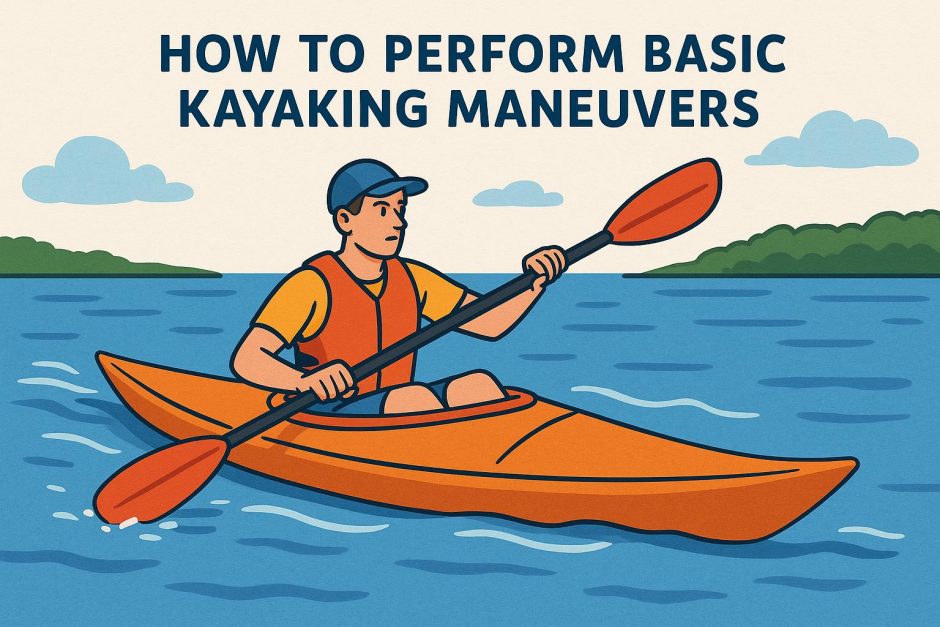
Begin by ensuring you grip the paddle correctly. Place your hands shoulder-width apart on the paddle shaft; this width provides optimal control and power. Keep your grip relaxed to prevent strain. Maintain an upright sitting posture in the kayak with your feet comfortably resting on the foot pegs. This balanced position will allow you to respond effectively to water conditions and execute maneuvers efficiently.
Grip Technique
The way you hold the paddle significantly impacts your efficiency and endurance on the water. Your hands should form a light ‘O’ shape around the paddle to prevent fatigue and ensure quick movements. A firm yet relaxed grip will sustain longer paddling sessions without causing discomfort or cramping.
Posture Importance
Sitting upright in the kayak helps with balance and the effective execution of strokes. It also allows ease of movement, allowing you to shift your body weight as needed when encountering waves or obstacles. Proper posture can enhance stability and paddling effectiveness, reducing stress on the lower back and promoting better overall control of the kayak.
Executing Basic Kayaking Maneuvers
Having a comprehensive understanding of basic kayaking maneuvers is essential to your navigation and overall kayaking enjoyment. Mastering these basics forms the bedrock of safety and efficiency on the water.
Forward Stroke
The forward stroke is fundamental to keeping your kayak moving efficiently in a straight line. Begin by rotating your torso and placing the paddle in the water near your toes. Pull the paddle alongside the kayak in a straight line. Use your core muscles for power, rather than solely relying on your arms. Ensuring symmetry in your strokes will help maintain a straight path.
Technique for Efficiency
Engaging your entire body, particularly your core, optimizes the force applied with each stroke. This holistic approach not only enhances speed but also mitigates the risk of muscle fatigue by distributing exertion evenly across various muscle groups.
Reverse Stroke
To stop or reverse the kayak’s movement, use the reverse stroke. Position the paddle near your hip and push it towards the bow (front) of the kayak. This motion will slow down your kayak, eventually bringing it to a stop or moving it backward. Practicing control over this maneuver is crucial for effective navigation and safety.
Reverse Stroke Application
The mastery of a controlled reverse stroke facilitates quick adjustments in dynamic water conditions, offering precision when repositioning or avoiding obstructions. Understanding this technique enhances a kayaker’s confidence in adjusting course swiftly and accurately.
Sweep Stroke
The sweep stroke is essential for turning your kayak efficiently. To turn left, place the right paddle blade in the water near the bow and sweep a wide arc towards the stern (back) of the kayak. For a right turn, perform the stroke on the left side. By using your torso and not just your arms, you can execute turns more effectively.
Sweep Execution Tips
Incorporating a wide, dynamic motion using the sweep stroke enables smoother transitions and directional changes. Consistent practice can significantly improve your capability to navigate tight spaces or circumvent natural obstacles like rocks or branches.
Other Useful Maneuvers
Several other essential maneuvers can enhance your kayaking experience. Mastering these can greatly improve your maneuvering skills:
Draw Stroke: The draw stroke allows you to move your kayak sideways. This is particularly useful for docking or aligning yourself with other kayaks. Place the paddle in the water parallel to the kayak and pull towards it. Avoid submerging the blade too deeply, as this can destabilize your kayak.
Low Brace: A low brace is an essential recovery stroke if you feel you are losing balance. Hold your paddle horizontally near your waist and push down against the water surface to regain stability. Practice this in calm conditions to build confidence.
Practice for Proficiency
To enhance proficiency in these maneuvers, consistent practice in various environmental conditions is vital. This approach ensures adaptability, improving your reaction time and effectiveness in real-world kayaking scenarios.
Learning in Safe Environments
It’s advisable for beginners to practice these maneuvers in controlled environments. Consider taking a kayaking course or practicing with experienced kayakers in calm, familiar waters. Practicing in such an environment will provide you with the confidence and skills needed for more challenging conditions.
The Value of Structured Learning
Engaging in formal instruction can significantly accelerate learning curves, as experienced instructors can provide insights into technique refinements and safety protocols essential for new kayakers. Many kayaking clubs offer beginners’ courses that foster a sense of community, enhancing learning through peer support and shared experiences.
Environmental Considerations
Understanding local water conditions and weather patterns is crucial in ensuring safety while kayaking. Avoid venturing into unfamiliar or potentially hazardous waterways without adequate preparation or knowledge. Prioritizing safety includes checking weather forecasts, water temperatures, and understanding potential wildlife interactions within your kayaking locale.
For further details on kayaking techniques, consider visiting instruction resources or joining local kayaking clubs. Always prioritize safety, wear appropriate safety gear, and be mindful of weather conditions.