
The Origins of Windsurfing
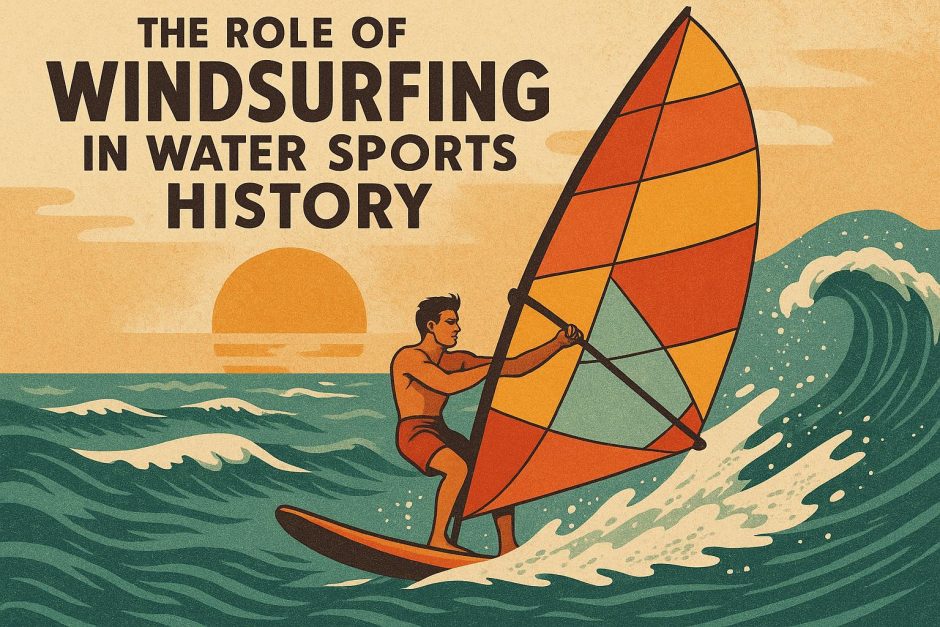
The sport of windsurfing, also referred to as sailboarding or boardsailing, emerged as a pivotal addition to the array of water sports available during the late 20th century. Windsurfing was invented in the mid-1960s, born out of a collaboration between Jim Drake, an aerospace engineer, and Hoyle Schweitzer, who was known as a surfer. This inventive sport is distinctive for its combination of elements from both sailing and surfing. Participants in windsurfing navigate the waters on a board, which is propelled forward by harnessing wind power through a sail. Due to its novel appeal, windsurfing quickly captured the interest of many and grew in popularity, establishing itself as a beloved activity in coastal regions around the globe.
The Evolution of Windsurfing Equipment
The evolution and growth of windsurfing were significantly influenced by advancements in equipment. Initially, the boards used for windsurfing were designed to be large and buoyant. This design facilitated a relatively easier balancing experience for beginners, making the sport more accessible to those new to the activity. As the sport evolved, the design and functionality of windsurfing boards advanced as well. Boards became lighter and more agile, paving the way for more dynamic and competitive styles of windsurfing. In today’s context, windsurfing boards are crafted from composite materials. These materials offer an optimal combination of durability and performance. This allows both recreational participants and professional athletes to explore and push the boundaries of what is achievable in the sport of windsurfing.
Integration into Competitive Sports
With windsurfing gaining a broader audience, the sport naturally found its way into competitive arenas. The first windsurfing competitions were organized in the late 1970s. A milestone in its competitive history was its acceptance as an Olympic sport in 1984 during the Los Angeles Summer Olympics. This inclusion marked a significant step in enhancing windsurfing’s prestige and expanding its influence across the globe. Over the years, the format of windsurfing competitions has seen considerable development. Various categories are recognized which showcase distinct styles of windsurfing, including slalom, freestyle, and wave. Each category brings its unique set of challenges and excitement, reflecting the diversity and adaptability of the sport.
Windsurfing’s Impact on Water Sports
Windsurfing significantly impacted the landscape of modern water sports. By fusing elements of surfing and sailing, windsurfing has been a source of inspiration for the creation of other hybrid sports. This includes the emergence of activities like kitesurfing and stand-up paddleboarding (SUP). Beyond its influence on new sports, windsurfing has contributed to the cultivation of dedicated communities and organizations. These groups are typically bonded by a shared enthusiasm for the sport. They also often prioritize environmental conservation efforts, recognizing the importance of protecting natural water bodies which are integral to the sport’s continuity.
Current Status and Future Directions
In the contemporary sporting environment, windsurfing continues to enjoy a dedicated community despite facing challenges from emerging water sports that compete for attention. The future of windsurfing appears promising, with ongoing technological advancements and innovations in equipment design. These developments promise to enhance the experience for participants while retaining the core aspects that initially drew people to the sport. For those interested in exploring windsurfing further, numerous resources are accessible. These include publications dedicated to windsurfing and specialized schools and programs available globally, offering training in the sport. As it stands, windsurfing remains an active and integral part of the broader water sports community, with its unique characteristics and rich history continuing to capture the interest and imagination of many.
In conclusion, windsurfing as a sport is a testament to the blending of human ingenuity with natural elements, offering a unique and enthralling experience. From its invention in the 1960s to its current status, it represents a journey of innovation, community building, and ongoing evolution within the realm of water sports.