
Understanding the Basics of Open Water Swimming Endurance
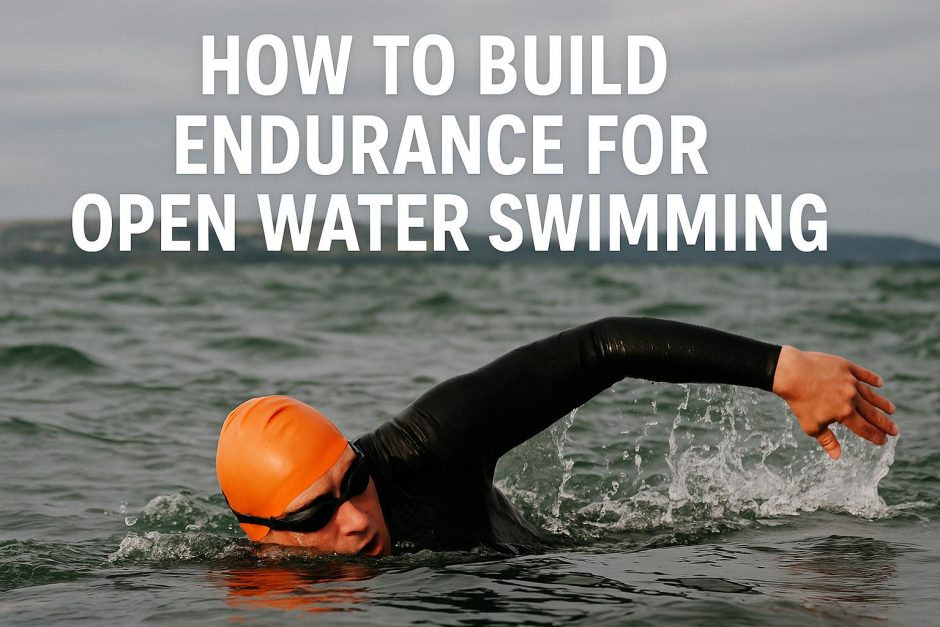
Building endurance for open water swimming is crucial for swimmers who wish to enhance their performance and stay safe in variable aquatic environments. Unlike pool swimming, open water swimming presents challenges such as currents, waves, and varying temperatures. This requires swimmers to develop specific endurance skills tailored to these conditions. This document delves into various facets of training and preparation that are vital for mastering open water endurance.
Begin with Pool Training
Engaging in pool training before venturing into open water is a strategic approach to building the necessary endurance. In a controlled setting like a swimming pool, swimmers are afforded the opportunity to focus on various aspects of their technique. The absence of interfering elements such as currents or unpredictable weather allows for a concentrated effort on refining swimming mechanics. By dedicating time to structured workouts, swimmers can systematically improve their technique, breathing patterns, and overall stamina. These workouts often involve sets dedicated to long-distance swimming, which are key in establishing a robust baseline of endurance.
Enhance Cardiovascular Fitness
A strong cardiovascular system is integral for any endurance activity, including open water swimming. To build cardiovascular fitness, swimmers can incorporate various land-based activities such as running, cycling, or rowing into their training regimen. Each of these activities correlates with increased heart rate and stamina, fostering an improved capacity for sustained swimming efforts. The benefits of such cross-training extend to supporting the cardiovascular demands unique to open water conditions, preparing swimmers for the physiological stresses encountered therein.
Transition to Open Water Training
The transition from pool to open water is crucial to gaining confidence and competence in less predictable environments. After developing a solid foundation in the pool, swimmers should introduce themselves to open water conditions with deliberate care. Starting with calm bodies of water such as lakes or small bays can mitigate the initial complexity often faced when navigating open water. It is within these controlled outdoor environments that swimmers can familiarize themselves with the absence of lane markers, adapting over time to the diverse and sometimes challenging conditions that characterize open water swimming.
Practice Sighting and Navigation
Sighting is an essential skill for open water swimmers, who cannot rely on pool lane lines to swim straight. Sighting involves occasionally lifting the head during a swim to locate landmarks or buoys, maintaining the intended course. This not only helps swimmers stay oriented but also ensures they swim the shortest possible distance during competitions or training. Regular practice in sighting, once mastered, can be done swiftly enough that it does not significantly detract from swimming speed, allowing swimmers to efficiently manage their navigation without compromising endurance.
Develop Mental Resilience
Open water swimming demands a high degree of mental toughness due to various factors, such as being alone in the water, dealing with unpredictable conditions, and facing challenges in distance perception. Mental conditioning is therefore an integral part of preparing for open water swimming. Techniques such as visualization can help swimmers anticipate the feel and flow of an open swim, while mindfulness practices can induce calmness and enhance focus. Setting small, achievable goals during a swim, particularly over long distances, can help maintain motivation and break the monotony, ultimately strengthening mental resolve against the arduous nature of open water conditions.
Focus on Breathing Techniques
Breathing efficiently serves as the cornerstone of effective swimming performance, particularly in open water. Practicing bilateral breathing—that is, alternating the breathing side—prevents reliance on a single side, thus facilitating adaptation to environmental changes such as wave direction or light conditions, like sun glare. This flexibility is crucial for maintaining a smooth, uninterrupted swimming rhythm. Additionally, controlling the breathing pace is vital during long-distance swims, playing a significant role in staving off premature fatigue and ensuring sustained energy levels throughout a swimming session.
Plan Nutrition and Hydration
A comprehensive understanding of nutrition and hydration is integral to successful endurance training. Given the high energy demands of open water swimming, a diet that meets nutritional requirements is essential. Consuming a well-balanced diet helps sustain energy levels and contributes to better performance. Staying hydrated before and after swims is equally important, helping to prevent dehydration, which can significantly impair endurance. During extended swimming sessions, utilizing energy gels or drinks specially designed for endurance athletes can supply needed nutrients and electrolytes, helping to maintain energy and optimize performance.
Safety Considerations
Safety must always be at the forefront of open water swimming. Adopting a practice of swimming with a partner or a group can enhance safety by providing mutual support and noticing distress signs promptly. Using safety devices, like a brightly colored swim buoy, increases visibility, making it easier for companions or safety personnel to monitor the swimmer’s location. Additionally, staying informed about current water conditions and weather forecasts before each swim session can prevent potentially hazardous situations. Swimmers are encouraged to utilize resources offered by organizations such as U.S. Masters Swimming, which provide structured training plans, safety tips, and specialized techniques tailored specifically to open water swimming. These resources can facilitate improved preparation and safety awareness, making open water swimming a rewarding and secure experience.