
Exploring Water Sports Across the Seasons
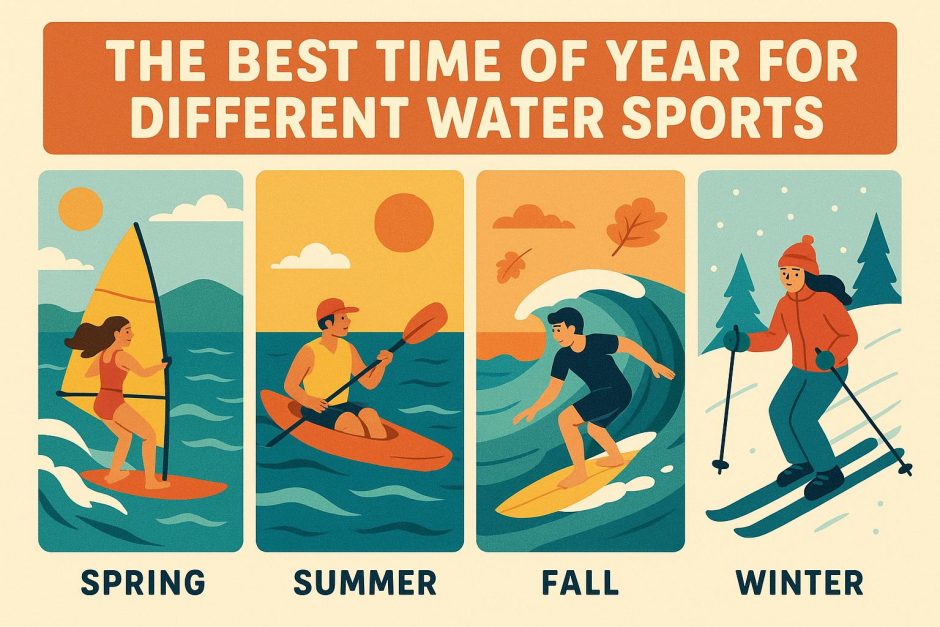
Water sports are a dynamic and engaging way to connect with nature and enjoy physical activity. The variations in weather conditions and regional climates play a crucial role in determining the best times to partake in different water sports. By understanding these variations and choosing the right seasons, enthusiasts can ensure safe and enjoyable experiences. This comprehensive guide delves into several popular water sports, providing insights into optimal conditions and locations for each.
Seasonal Insights for Surfing
Surfing remains one of the most exhilarating water sports, heavily dependent on wave quality. Seasonal weather patterns influence wave conditions significantly. In the Northern Hemisphere, particularly profound surf sessions can usually be experienced in the late summer and early fall. During these times, ocean swells, often fueled by distant storms, combine to produce some of the most consistent and surfable waves.
Navigating Surfing Destinations and Seasons
While surfing offers the possibility of enjoyment throughout the year in numerous locations, certain regions indeed stand out for their optimal surfing seasons:
Hawaii: Famed for the powerful winter swells that grace the North Shore of Oahu, surfers dream of riding these iconic waves from November to February.
California: Particularly the Central Coast, experiences a fruitful surfing period from late summer into fall, promising both quantity and quality waves.
Australia: In the Southern Hemisphere, surfing in Australia peaks from March through September, catering to enthusiasts in search of an escape from northern colds.
For real-time wave conditions, surfers can explore resources such as Surfline to tailor their surfing adventures to prevailing conditions.
The Dynamics of Kayaking
Kayaking offers a versatile exploration of waterways, where conditions can vary depending on the type of kayaking pursued. For those seeking whitewater thrills, spring emerges as an ideal time due to the melting snow that increases river flow. Conversely, those interested in sea kayaking may find late spring and early summer to offer smoother and more temperate experiences.
Exploring River Kayaking
North America: The river systems threading through the Rockies and Sierra Nevada experience heightened flow during the spring owing to snowmelt—a boon for whitewater kayakers.
Europe: Encompassing famed alpine rivers, these waterways boast ideal conditions between May and June, presenting fantastic opportunities for river kayaking.
Embracing Sea Kayaking
Alaska: Coastal sea kayaking in Alaska flourishes from June through August, not only due to calming conditions but also the spectacular wildlife encounters during this period.
Mediterranean: Late spring through early fall provides favorable conditions for sea kayak enthusiasts, offering warmer waters and tranquil exploration opportunities.
Understanding Windsurfing Conditions
Windsurfing thrives on a blend of strong and steady wind conditions, which differ greatly across geographic landscapes and local climates. Harnessing the right conditions can revive or hamper any windsurfing session.
Unveiling Prime Windsurfing Destinations
Maui, Hawaii: Known for its year-round trade winds, Maui’s prime windsurfing season extends from May to October, beckoning enthusiasts with reliable gusts.
Tarifa, Spain: Celebrated for the potent Levante winds, Tarifa becomes a hub of activity during the summer months, specifically between June and September.
For precise wind forecasts, windsurfers may refer to resources like Windguru to synchronize their outings with ideal conditions.
Diving into Scuba Diving Seasons
Scuba diving’s allure lies in the underwater world of clear waters and marine biodiversity. However, these features are deeply influenced by seasonal and location-specific factors. While tropical waters offer favorable conditions year-round, various attributes such as visibility and marine life encounters depend heavily on current weather and water conditions.
Highlighting Top Scuba Diving Seasons
Great Barrier Reef, Australia: Scuba divers flock here between June and August to exploit peak water clarity and encounter magnificent whale migrations.
Red Sea, Egypt: Scuba enthusiasts discover ideal conditions from September to November, featuring warm waters with impressive underwater visibility.
For trip planning or certification courses, divers can seek information from established organizations such as PADI to optimize their diving experiences.
Concluding the Adventure
Navigating the world of water sports can be immensely rewarding when timed with the appropriate seasonal peaks. These peaks influence factors essential to water sports, such as wave size, water temperature, and wind intensity. To ensure gratification and safety, enthusiasts must thoughtfully consider local climate conditions, geographic particularities, and personal skill levels. By understanding and respecting these dynamic aspects, both novice and seasoned participants can enhance their enjoyment and connection with the natural playgrounds that provide these unique water sporting opportunities.