
Understanding Underwater Pressure
When diving into the depths of the ocean, divers experience a unique environment governed by the intriguing principles of underwater pressure. Pressure underwater increases significantly with depth, creating challenges that require both physical adaptation and specialized equipment.
The Basics of Pressure
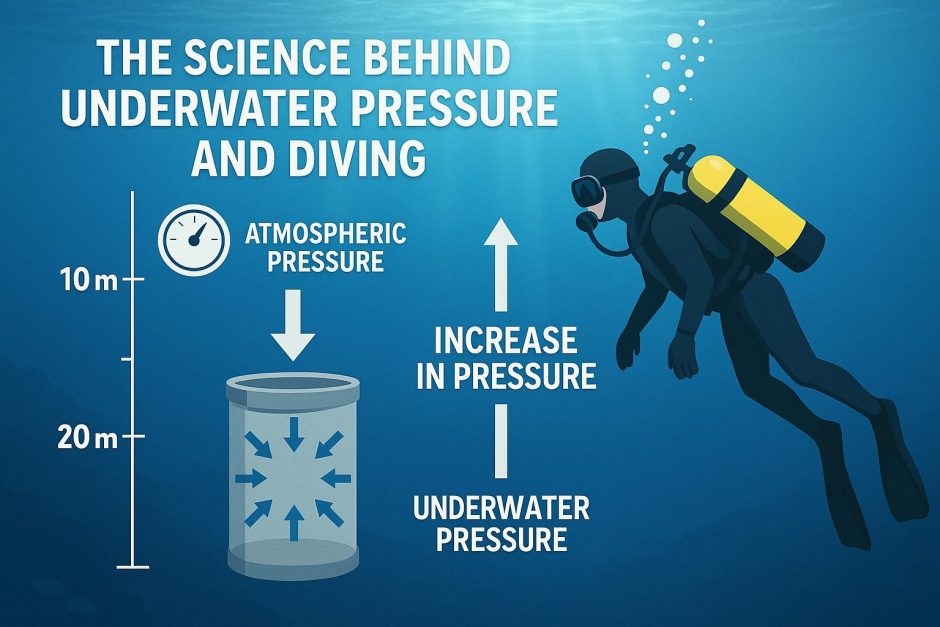
Pressure refers to the force exerted on an object per unit area. At sea level, the atmospheric pressure is about 1 atmosphere (atm), or approximately 101,325 Pascals (Pa). As we descend into the ocean, the water above exerts additional pressure, increasing by approximately 1 atm for every 10 meters of depth. This means that at a depth of 10 meters, a diver is subjected to 2 atm – 1 atm from the atmosphere and 1 atm from the water column.
Hydrostatic Pressure
The term hydrostatic pressure is used to describe the pressure within any fluid in equilibrium due to gravity. In the case of diving, this pressure affects not only the diver but also the equipment they use. It is essential to understand hydrostatic pressure to ensure safety under the sea.
As divers go deeper, their bodies and equipment experience increased hydrostatic pressure, which can affect buoyancy, gas consumption, and even the physiological responses of the diver. Mastery of this concept is critical for both novice and experienced divers alike to navigate the depths effectively and safely.
Effects of High Pressure
Boyle’s Law
One fundamental principle that divers must comprehend is Boyle’s Law, which describes the relationship between the volume of a gas and the pressure it is under. According to Boyle’s Law, the volume of a gas decreases as the pressure increases, provided the temperature remains constant. This principle plays a significant role in diving since it affects how air behaves in a diver’s lungs and equipment.
As an example, consider a diver who fills their lungs with air at the surface. As they dive deeper, the pressure increases, causing the air in their lungs to compress. This necessitates adjustments in how breathing occurs as well as how buoyancy is managed. Such understanding is crucial for conserving air supply and ensuring safety during deep dives.
The Impact on the Human Body
High-pressure environments underwater can have significant physiological effects on a diver’s body. One critical issue is decompression sickness, often known as “the bends.” This condition occurs when dissolved gases, like nitrogen, form bubbles in the blood and tissues due to rapid reduction in pressure as the diver ascends. To avoid this, divers must ascend slowly, allowing gases to safely escape the body. This gradual ascent allows the body to adapt to changing pressure, minimizing the risk of harmful gas bubbles.
Divers also face the issue of “nitrogen narcosis,” a condition occurring at deeper levels where nitrogen acts similarly to an anesthetic. Awareness and proper training can help in mitigating the effects and ensuring that divers react appropriately under these circumstances.
Diving Equipment and Safety
To mitigate the challenges posed by underwater pressure, divers rely on a range of specialized equipment designed for both safety and efficacy in the aquatic environment.
Regulators: These devices adjust the pressure of the air supply to match the surrounding water pressure, enabling normal breathing. It ensures that regardless of depth, divers can inhale air at a breathable pressure. The regulator plays a critical role in maintaining the dual needs of pressure equilibration and air supply management.
Buoyancy Control Devices (BCDs): BCDs help divers manage their buoyancy—allowing them to ascend, descend, or maintain neutrality in the water effortlessly. Proper buoyancy control is crucial for conserving energy and preventing rapid ascents. Mastery of these devices allows divers to focus on exploration and observation rather than constant readjustment.
Diving Suits: Depending on the water temperature and dive depth, divers might use wetsuits or drysuits. These suits provide thermal protection by minimizing heat loss and help with buoyancy management. The type of suit chosen often depends on specific dive conditions as well as personal preference, striking a balance between protection and mobility.
Safety Protocols
Ensuring safety while diving is paramount. Divers must be adequately trained and follow certain protocols to adapt to the pressures encountered underwater. Certification agencies, such as PADI or NAUI, offer structured training to ensure that divers understand these principles and practice safe diving techniques.
Key elements of these safety protocols include pre-dive equipment checks, adherence to dive plans, and the use of safety stops during ascension. By adhering to these guidelines, divers can minimize risk and focus on the extraordinary experiences diving offers.
In conclusion, diving is an activity that offers exhilarating experiences under the sea but requires a deep understanding of the science behind underwater pressure. By grasping these principles, divers can enjoy the wonders of the underwater world safely and responsibly. Knowledge of the gases’ behavior under pressure, mastery of diving equipment, and adherence to safety protocols collectively enable a safe and enriching experience in one of Earth’s most mysterious and captivating ecosystems.