
Understanding the Basics of Water Skiing
Before embarking on a training regimen for a water skiing competition, it is essential to understand the basic principles of the sport. Water skiing combines balance, strength, and skill. Competitors are towed behind a boat, skimming the water’s surface using skis. Familiarity with water skiing techniques, such as maintaining balance and body positioning, is crucial.
Essential Skills for Competitors
To be competitive in water skiing, athletes must develop several core skills necessary for efficiency and agility on the water.
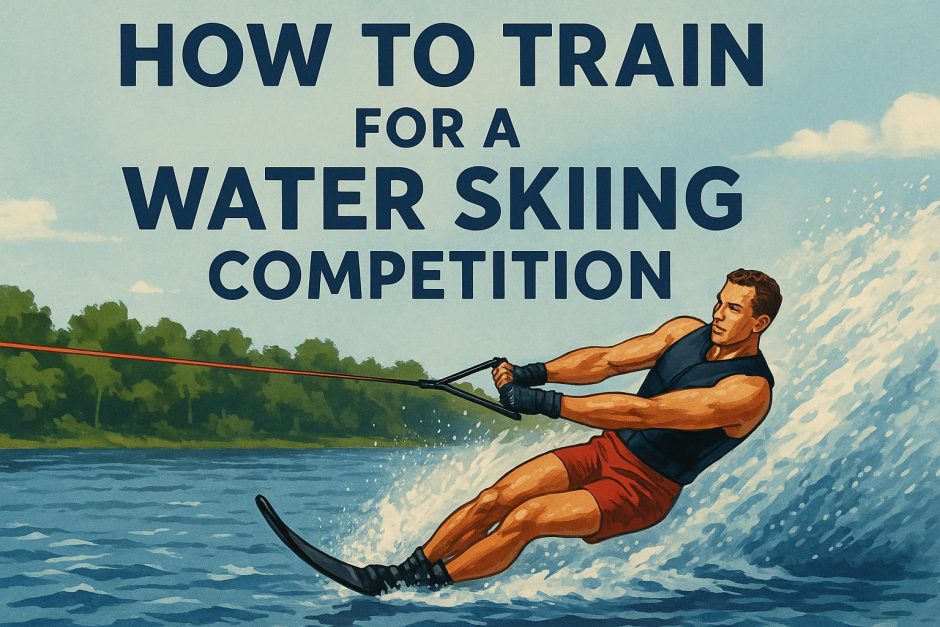
Balance and Stance: Proper balance and body stance are fundamental for maintaining control and minimizing water resistance. Skiers should keep their knees slightly bent and their weight centered over the skis. This position stabilizes the skier, allowing for optimum performance as they glide across the surface of the water. Practicing balance on various surfaces can help athletes become adept at maintaining the correct stance.
Grip and Handle Control: A firm yet flexible grip on the ski handle is necessary to manage the pull from the boat effectively. Different maneuvers and skiing techniques require varied handle grip techniques, from firmer for sudden turns to more relaxed for long, smooth glides. Practicing with different handle positions can enhance control during various maneuvers, and skiers often spend hours refining their grip techniques.
Edge Control: Mastery over the skis’ edges allows for precise turns and stability at higher speeds. Edge control is not just about moving from one side to another; it involves intricate movements of shifting weight and applying pressure at the right angle and moment. Skiers should practice shifting their weight from one ski to another, both on land training exercises and on water, to improve edge control.
Starts and Finishes: Competitors should practice different starting techniques, such as deep-water starts and running starts. The way a skier begins their run can set the tone for their entire performance. Efficient finishing techniques can also impact competition performance positively. Being able to finish strong with control and precision often leaves a lasting impression on the judges.
Developing Physical Fitness
Water skiing places demands on the body that require specific physical fitness components. Training for these components is crucial for any serious competitor aiming for good results in competitions.
Strength Training: It is imperative to focus on building core, leg, and upper body strength. Exercises like squats, lunges, and rowing are particularly effective for this purpose. This training builds the muscle endurance needed for extended water skiing sessions; strong muscles are critical for maintaining form under the physical stress of skiing.
Cardiovascular Endurance: This is integral for any athlete, especially those engaging in sports as demanding as water skiing. Activities such as running, cycling, or swimming can enhance one’s cardiovascular fitness. Improved endurance means the skier can maintain energy levels throughout longer skiing sessions, reducing the onset of fatigue.
Flexibility: Regular stretching exercises help improve flexibility, reducing the risk of injury and enhancing performance. Flexibility training should include dynamic stretches tailored towards movements typical in water skiing, which often involve multiple muscle groups working in unison.
Creating a Training Schedule
When preparing for a competition, creating a structured training schedule is vital. A well-rounded schedule can ensure that an athlete develops all necessary skills while avoiding burnout.
Skill Sessions: Regular practice on the water is essential for refining techniques and improving specific skills. Athletes should allocate time to focus on various maneuvers and techniques, allowing adequate time for each area of improvement.
Off-water Training: It’s not just the time spent on the water that matters; off-water training, incorporating gym workouts, flexibility training, and cardiovascular exercises are equally important. This component of training ensures well-rounded physical development.
Rest and Recovery: Scheduling rest days is crucial to prevent overtraining and allow the body to recover. Rest is not just about not training; it’s about engaging in activities that rejuvenate, such as yoga or light swimming. Adequate sleep and hydration also play a pivotal role in recovery, helping athletes maintain peak performance levels.
Finding Resources and Support
Accessing quality resources and support can significantly streamline the training process for water skiing competition preparation.
Consider joining local water skiing clubs or associations to connect with fellow athletes and gain insights from experienced professionals. Not only can such connections provide camaraderie and support, but simply being around others who ski often boosts motivation and morale.
Attending workshops or clinics can also offer valuable opportunities to learn and refine skills. Engaging directly with seasoned professionals, whether through formal lessons or informal tips from fellow skiers, can provide that extra edge needed for improvement and success.
Consider checking online resources or visiting specialized water skiing associations for guidelines and updates about competitions and training techniques. Engaging with a mentor or coach can provide personalized feedback, enhancing your training regimen. A coach not only helps with skill refinement but also offers strategic advice that could prove invaluable during competition.
In summary, by understanding the fundamentals of water skiing, improving physical fitness, and seeking supportive resources, competitors can effectively prepare for water skiing competitions. This preparatory work forms the foundation upon which a successful water skiing career can be built, enabling athletes to navigate the challenging dynamics of competitive events with confidence and skill.