The Best Techniques for Stand-Up Paddleboarding

Understanding the Basics of Stand-Up Paddleboarding

Stand-up paddleboarding (SUP) has emerged as a preferred choice among water enthusiasts. This exhilarating activity integrates elements from both surfing and kayaking, offering a distinct blend that encourages fitness, exploration, and fun. Whether you’re gliding across a tranquil lake or tackling the ocean surf, understanding fundamental techniques can significantly enhance your stand-up paddleboarding experience.

Selecting the Right Equipment

An optimal stand-up paddleboarding experience begins with the right equipment, which lays the foundation for comfort and performance. Your choice of gear greatly influences your overall experience, so it is essential to make informed decisions:

Paddleboard: The paddleboard is arguably the most crucial piece of equipment. Boards are available in various materials, shapes, and sizes. Beginners typically benefit from wider boards as they offer greater stability, making it easier to maintain balance. The type of paddling you intend to do, whether leisurely or competitive, will also influence your choice. For instance, touring boards are longer and narrower, ideal for speed and covering larger distances. Surf-style boards are shorter and more maneuverable, more suited for riding waves. When selecting a board, your weight and skill level are critical factors to consider.

Paddle: Unlike the single-bladed paddle used in canoeing, stand-up paddles are designed for ease of use while standing. An adjustable paddle is particularly advantageous, allowing you to modify the length according to your height. This adjustability ensures that the top grip comfortably reaches between 6 to 10 inches above your head, promoting efficient strokes and reducing fatigue.

Leash and PFD: Safety in water-based activities is paramount, and the leash and personal flotation device (PFD) are your lifelines. The leash ensures that should you fall off, the board remains tethered to you, preventing it from drifting away. This is particularly important in waters with currents or waves. In many regions, wearing a PFD is mandatory, ensuring buoyancy and elevating overall safety.

Proper Stance and Balance

Grasping the proper stance is vital to maintaining balance on a paddleboard. It serves as the foundation for your mobility and stability on the water:

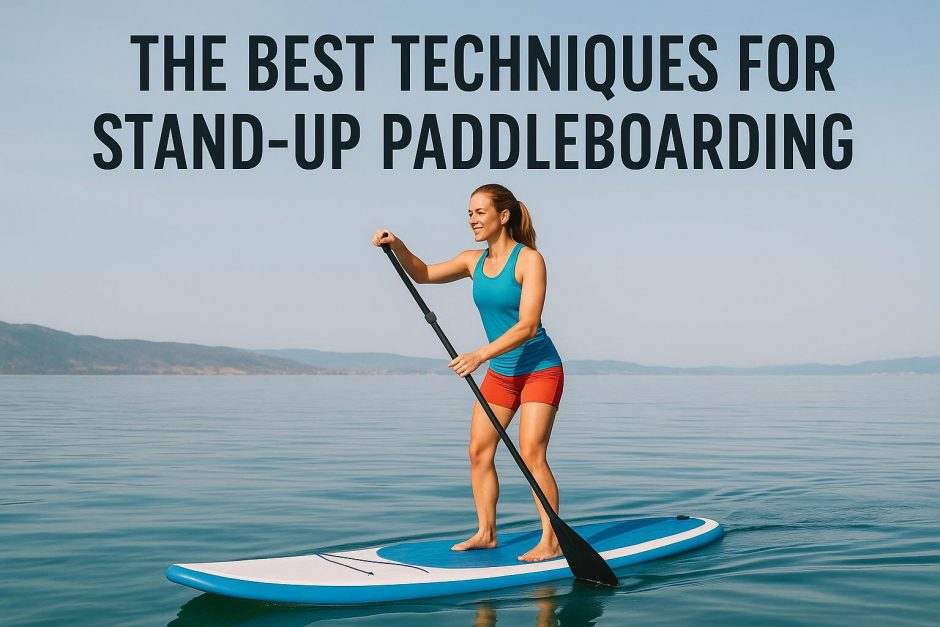
When mounting the board, position yourself centrally, ensuring your feet are placed hip-width apart. This positioning optimizes balance. Slightly bending your knees acts as a shock absorber, aiding in stability especially when confronted with waves or choppy water. An upright posture, with your back straight, not only aids in balance but also ensures that your core muscles, crucial for maintaining stability and making efficient strokes, are engaged. Initially, practicing these techniques on calm waters helps build confidence and establishes a solid foundation.

Paddling Techniques

Mastering paddling techniques can mean the difference between a leisurely session and an exhausting one. Efficient paddle strokes maximize propulsion while minimizing fatigue:

Forward Stroke: As the fundamental stroke in paddleboarding, the forward stroke propels you across water efficiently. Begin by reaching forward with the paddle, dipping the blade into the water close to the board’s nose. Pull the paddle back, parallel to the board’s side. Rather than relying heavily on your arms, engage your torso for the motion, enabling a more powerful yet energy-efficient stroke.

Reverse Stroke: The reverse stroke serves as a mechanism to decelerate, halt, or shift direction. By pushing the paddle blade forward in the water and pulling it towards the board, you can effectively control your movement. Mastery of this stroke equips you with greater control and confidence on the water.

Sweep Stroke: Essential for maneuvering, the sweep stroke allows you to turn the board seamlessly. By extending the paddle in a wide arc away from the board, you can pivot, directing it as desired. Familiarity with this stroke enhances navigational control, especially in tight spaces or when coursing through winding waterways.

Advanced Techniques

Once comfortable with the basics, paddleboarding offers a range of advanced techniques that add depth and agility to your water adventures:

Pivot Turn: To execute a rapid change in direction, transfer your weight to the rear foot. This elevates the board’s nose slightly. Simultaneously, employ a sweep stroke, enabling swift maneuverability.

Cross-bow Stroke: For agile directional transitions, migrate the paddle across the front, instead of the conventional side sweep. This technique is invaluable for those seeking more dynamic control.

Step-Back Turn: Similar to a surfing stance, this involves moving one foot backward, giving you greater control for abrupt turns. It’s particularly useful when navigating through waves or complex water conditions.

Stand-up paddleboarding transcends its title as a mere sport or recreational activity. It presents a holistic workout, exercising core muscles and promoting overall fitness. Moreover, it serves as a gateway to exploring diverse aquatic environments, from pristine lakes to expansive seas. With consistent practice and proper technique, stand-up paddleboarding transforms into a rewarding pursuit, blending leisure with exercise in a harmonious balance. Whether you’re dabbling as a hobbyist or aspiring to take on challenging waters, the sport offers something for everyone, irrespective of age or skill level.
The History and Growth of Dragon Boat Racing

Introduction to Dragon Boat Racing

Dragon boat racing is a water sport with ancient roots and a rich cultural legacy that has evolved into a modern competitive activity. Originating from China, this vibrant and visually striking sport involves teams paddling in unison in long, narrow boats adorned with dragon designs. Historically, dragon boat racing is deeply linked to Chinese traditions and festivities, particularly the Duanwu Festival, also known as the Dragon Boat Festival.

Historical Origins

The origins of dragon boat racing date back over 2,000 years. Historically, it serves as a significant cultural ritual in ancient Chinese civilization. It is thought to have originated as a way to honor the legendary poet and statesman Qu Yuan. Faced with political despair and personal loss, Qu Yuan drowned himself in the Miluo River. Local villagers reportedly raced out in boats to rescue him or at least recover his body, beating drums and splashing the water with their paddles to scare away fish and evil spirits. This event gradually evolved into the competitive sport known today.

Significance in Chinese Culture

Dragon boat racing, aside from being a sport, also plays a crucial role in maintaining cultural identity and tradition. The event takes place during the Dragon Boat Festival, celebrated on the fifth day of the fifth month of the Chinese lunar calendar. This festival not only commemorates Qu Yuan’s life and death but also acts as an occasion for communities to engage in a range of folk rituals and activities. These include eating specific foods like sticky rice dumplings, known as zongzi, and setting off firecrackers.

Traditional Elements

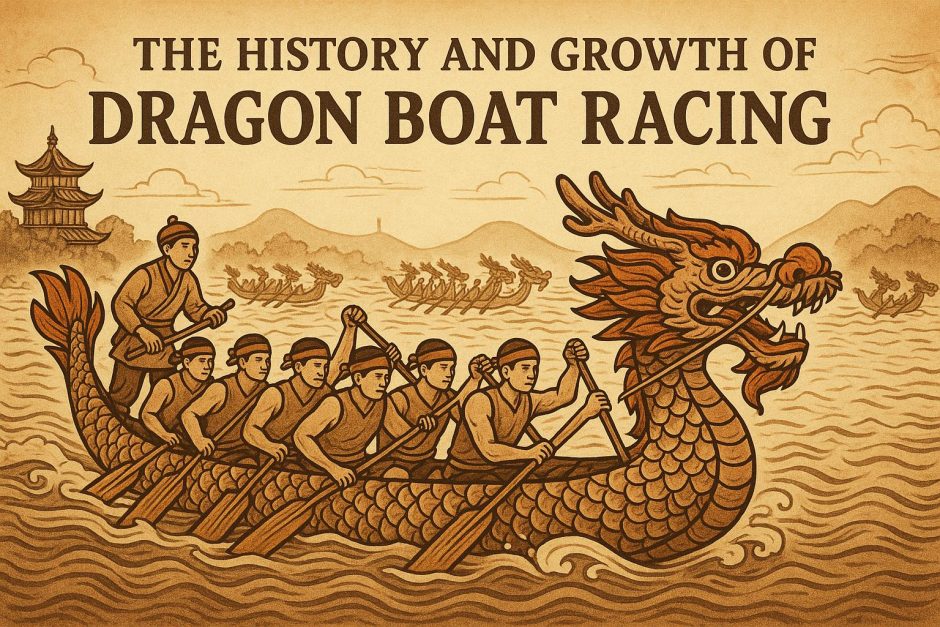
The boats themselves are an essential part of the tradition. Typically constructed of teak wood in ancient times, they are now often made from modern materials but retain the traditional dragon motif. The prow is shaped like a dragon’s head, and the stern resembles a tail, embodying the mythical creature’s power and majesty. Each boat often carries a drummer who sits at the helm, setting the pace for paddlers by rhythmically beating a drum.

Modern Growth and International Expansion

In recent decades, dragon boat racing has transformed from a primarily cultural event into a global competitive sport. With the introduction of standard race formats and the formation of international governing bodies, the sport has grown significantly.

Formation of Global Governing Bodies

The international expansion of dragon boat racing was formalized in 1991 with the establishment of the International Dragon Boat Federation (IDBF). The IDBF has been instrumental in setting standardized rules for competitions and promoting the sport across various continents, ensuring consistency and fairness in international events.

Competitive Scene

The competitive scene for dragon boat racing is diverse and dynamic, featuring both amateur and professional teams. Competitions are held worldwide in locations including Europe, North America, and Asia. These events range from small local contests to large-scale international championships, such as the biennial World Dragon Boat Racing Championships.

Development and Training

As the sport has expanded, so too has the level of training and specialization among teams. Athletes often undergo rigorous physical training to excel in strength, endurance, and technique. Many teams practice year-round, honing their skills to stay competitive. This dedication reflects the emphasis on conditioning and preparation, comparable to other well-established competitive sports.

Equipment and Safety

With the modern evolution of the sport, advancements in equipment and safety gear have become integral. Traditional boats have seen adaptations to include durable materials that enhance performance and safety. Safety measures, including life vests and adherence to waterways regulations, have become standardized, ensuring that races run smoothly and securely no matter the location.

Cultural Impact and Popularity

Dragon boat racing has witnessed a surge in popularity not only as a sport but also as a cultural phenomenon. The vibrant and team-oriented nature of the sport has captured the interest of diverse communities around the world. It serves as a unique cultural bridge, bringing people together from different backgrounds to celebrate camaraderie and teamwork.

Community and Team Building

The team-based structure of dragon boat racing lends itself well to fostering community spirit and cooperation. Training and competing in unison, teams develop strong bonds and a sense of unity, which appeals to both newcomers and seasoned paddlers alike. Corporate teams and community groups often participate in races, emphasizing the sport’s role in enhancing teamwork and boosting morale.

Impact on Waterfront Communities

As dragon boat events are often held on rivers, lakes, and coastal areas, they positively impact waterfront communities. Such gatherings stimulate local economies, drawing visitors and participants who patronize local businesses. Festivals held alongside the races highlight the cultural richness and traditions associated with the sport, offering educational opportunities and showcasing local crafts, foods, and music.

Environmental Awareness

With dragon boat races typically occurring in natural water bodies, the sport has also taken on an environmental dimension. Many dragon boat events collaborate with environmental organizations to promote sustainability and water conservation. Participants and spectators alike are educated on the importance of protecting these aquatic environments, reinforcing the broader societal benefits of engaging in this sport.

Conclusion

The history and growth of dragon boat racing underline its significance as both a cultural heritage and a growing international sport. Originating from ancient Chinese traditions, it has successfully navigated its way into the contemporary sporting world while maintaining its rich cultural roots. As it continues to gain popularity, dragon boat racing not only celebrates athleticism and competition but also promotes cultural exchange and community bonding worldwide.

The Thrill of Big Wave Surfing

The Challenge of Big Wave Surfing

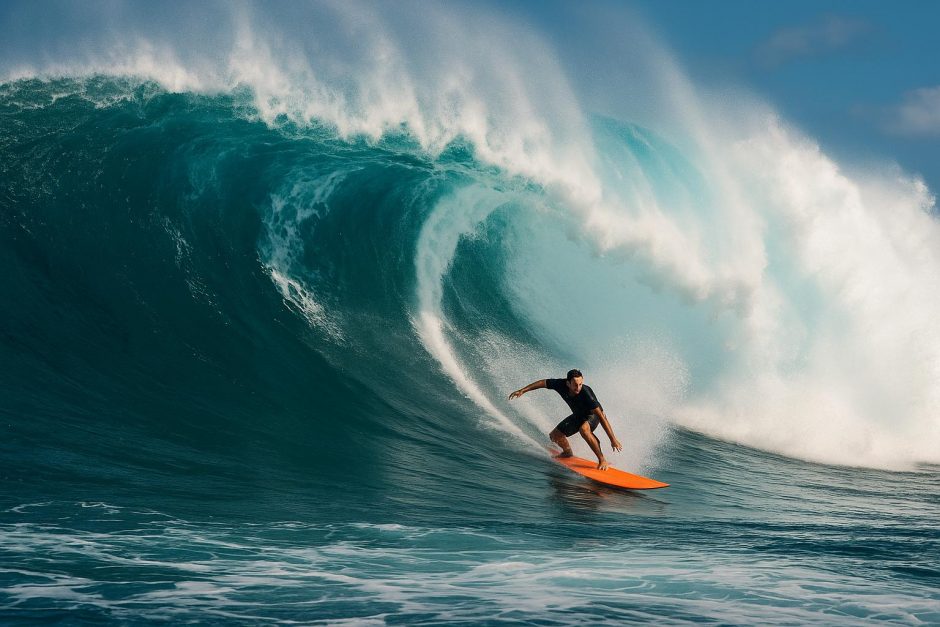
Big wave surfing is a complex and demanding sport that pushes the boundaries of human endurance and skill. Going beyond standard surfing, this extreme version involves riding waves that are at least 20 feet high, with some waves reaching even greater heights. The unique conditions required for big wave surfing present a multitude of challenges and necessitate specialized skills and techniques, making it both one of the most exhilarating and perilous water activities in the world.

Notable Big Wave Locations

Big wave surfers are known for their dedication, frequently traversing the globe in search of the perfect wave. Several locations are notable for their ability to produce the massive waves coveted by these intrepid athletes. Each location offers unique characteristics and challenges for big wave surfing.

Mavericks, California: Situated near Half Moon Bay, Mavericks is renowned for its unpredictable and often harsh conditions. Waves at Mavericks have been known to soar over 60 feet, making it a premier destination for expert surfers. The wave is largely dependent on the direction of winter storms, which generate the ocean swells necessary for these colossal waves.

Jaws, Hawaii: Known locally as Peʻahi, this surf spot on Maui’s north shore is famous for its fast-moving and challenging waves. Jaws attracts some of the best surfers from around the world as it produces incredibly powerful waves. The rapid pace and sheer size demand exceptional technique and courage from those who dare to ride here.

Nazaré, Portugal: In recent years, Nazaré has gained fame for producing some of the largest surfable waves globally, with recorded heights exceeding 80 feet. This is largely due to the underwater Nazaré Canyon—a deep oceanic trench that amplifies incoming swells. As such, Nazaré has become a hotspot for those looking to push the envelope in big wave surfing.

Essential Equipment for Big Wave Surfing

Traditional surfing equipment proves insufficient when facing the immense forces at play in big wave surfing. To manage the substantial power and speed of these waves, surfers rely on specialized gear.

Surfboards: The surfboards designed for big waves, often referred to as “guns,” are distinctively longer and heavier than standard boards. This design aids surfers by offering better control and increased speed, critical when navigating the large and fast-moving waves of big wave locations.

Safety gear: The role of safety equipment cannot be overstated in big wave surfing. A life vest becomes indispensable for flotation, reducing the risk of drowning. Inflatable vests have grown in popularity due to their promise of added buoyancy at the pull of a cord. Furthermore, the leash, a crucial accessory that attaches the board to the surfer, helps in retrieving the board quickly after wipeouts, which are common in big wave surfing scenarios.

Jetskis: Tow-in surfing, a technique that has revolutionized big wave surfing, involves the use of jetskis. These vehicles enable surfers to catch waves that would be otherwise impossible to paddle into due to their speed. A jetski driver tows the surfer into the wave, ensuring they can catch it at just the right moment.

The Role of Weather and Ocean Conditions

The influence of weather and ocean conditions on big wave surfing cannot be emphasized enough. Surfers closely monitor various parameters to predict the formation of large waves accurately. Swell forecasts are crucial, as they provide insights into when and where the best waves are likely to manifest.

Swell size serves as a primary factor; small deviations can drastically affect whether a wave will be surf-worthy. Wind direction also plays a vital role; onshore winds can ruin a wave’s shape, while offshore winds help to create ideal surfing conditions by keeping the waves clean and well-formed.

Tide levels further influence the quality of the waves. High tides may swallow some spots, making them unsurfable, whereas low tides can expose dangerous rocks and reefs. Thus, timing and location, taking into consideration these factors, are critical for surfers seeking the thrill of riding big waves.

The Risks Involved

Big wave surfing, while thrilling, comes with inherent and substantial risks. The overwhelming force exerted by these massive waves can lead to severe injuries or even fatalities. One of the most significant threats is being held underwater, sometimes by successive waves, which can lead to drowning.

Collisions pose another risk, whether it’s colliding with the ocean floor or other surfers. Being struck by one’s board during a fall is also a concern. These potential dangers necessitate a high level of physical fitness, mental resilience, and extensive experience in those aiming to participate in big wave surfing.

The discipline, preparation, and deep understanding of oceanic conditions make big wave surfing a specialized and revered branch of the surfing sport. While the challenge and allure of riding these formidable natural forces draw many surfers each year, they must approach with the utmost respect and preparedness to navigate the sport’s inherent dangers safely.

For further detailed information on big wave surfing, including up-to-date conditions for various surf spots around the globe, you may consider visiting resources such as the Surfline website. They offer comprehensive reports and insights tailored to help surfers make informed decisions regarding their pursuits in big wave surfing.

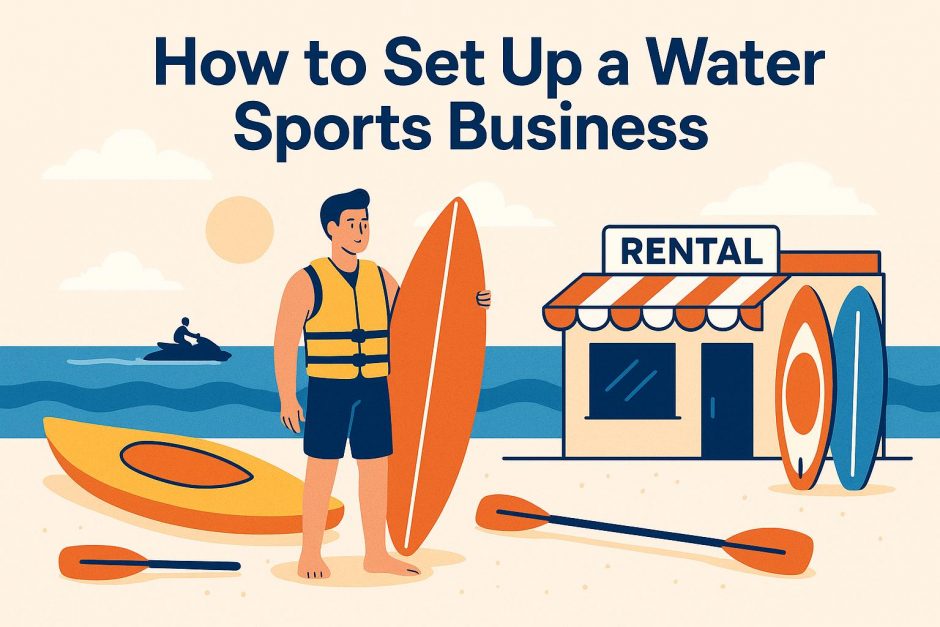
How to Set Up a Water Sports Business

Introduction

Setting up a water sports business can be a rewarding venture due to the rising popularity of aquatic recreational activities. This article outlines the essential steps and considerations involved in establishing a water sports enterprise. From understanding market demands to ensuring safety compliance, careful planning will be critical in creating a successful business.

Market Research and Business Planning

Before diving into the business, conducting thorough market research is essential. Analyze the local market to identify demand for various water sports activities like kayaking, paddleboarding, and windsurfing.

Assess the Competition: Investigate existing water sports businesses in the area. Examine their offerings, pricing strategies, and customer reviews. This can help you identify potential gaps in the market that your business can fill.

Target Audience: Determine your target audience, whether it’s tourists, locals, families, or schools. Understanding your customer base will guide your marketing strategies.

Create a comprehensive business plan, detailing your business goals, target market, competitive analysis, marketing strategies, and financial projections. A well-crafted business plan is crucial for securing funding and can be beneficial for evaluating business milestones.

Legal Requirements and Permits

Starting a water sports business will necessitate acquiring various permits and licenses. Requirements may vary depending on the location, type of activities offered, and scale of operation.

Business Registration: Register your business with the appropriate local government body. Opt for a business structure that best suits your needs, such as a sole proprietorship, partnership, or limited liability company.

Licenses and Permits: Obtain necessary permits from municipal and coastal authorities. This could include permits for waterfront usage, equipment rental, and environmental compliance. Check with local regulators to ensure you have all the required documentation.

Insurance: Purchase adequate insurance coverage to protect against liabilities. Common policies include general liability, property insurance, and, if applicable, worker’s compensation insurance.

Location and Infrastructure

Choosing the right location is pivotal for your water sports business. Ideally, it should be close to water bodies like lakes, rivers, or coastal areas with good visibility and accessibility.

Facility Requirements: Invest in a facility that accommodates equipment storage, customer services, and staff areas. Accessibility to amenities can enhance the customer experience.

Equipment and Maintenance: Procure high-quality equipment and establish a routine maintenance schedule to ensure safety and longevity. This may include kayaks, boats, life vests, and other safety gear.

Staffing and Training

Attract and hire qualified staff adept in water sports operations. Employees should be experienced, especially in offering training and ensuring the safety of participants.

Training Programs: Implement training programs to familiarize staff with operating procedures, safety protocols, and customer service standards.

Certifications: Encourage or require certifications in first aid, CPR, and water safety for all staff to enhance safety and professionalism.

Marketing and Promotion

Develop a marketing strategy that includes both digital and offline efforts to reach your target audience effectively.

Online Presence: Create a user-friendly website with detailed information about your offerings, pricing, and safety measures. Utilize social media platforms for promotion and customer engagement. Consider partnerships or sponsorship with local events and travel agencies to increase visibility and attract tourists.

Local Advertising: Advertising through local media and travel magazines can also be effective in reaching a broader audience. Flyers, banners, and participation in community events can boost your presence within the local community.

Promotions and Discounts: Introduce introductory offers, discounts, or package deals to attract customers during the initial phase. Monthly membership plans for locals, family packages, and group discounts for schools or corporate outings can also be beneficial.

Customer Experience: Enhance customer engagement by offering exceptional service. Make the experience enjoyable and memorable so they are likelier to return or recommend your business to others.

Feedback and Improvement: Regularly seek and analyze customer feedback to make necessary adjustments. Continuous improvement in services and offerings ensures better customer satisfaction and retention.

Understanding Seasonal Variations: Acknowledge and prepare for seasonal variations affecting water sports activities. Developing offseason strategies, such as indoor activities or alternative services, can help sustain business even when outdoor activities are not as feasible.

Technology and Innovation

Embrace technology to streamline operations and improve customer experience. Implementing an online booking system and mobile app will facilitate easier customer engagement and management.

Booking and Management Systems: Integrate an online reservation system to prevent overbooking and manage resources efficiently. A mobile-responsive design ensures convenience for customers accessing your services through smartphones.

Data Analytics: Use data analytics to understand customer preferences, track booking patterns, and optimize pricing strategies. This information can aid in making informed decisions regarding business operations and marketing plans.

Safety Innovations: Keep updated with innovations in outdoor and water safety equipment. Adopt advanced safety gear and technology to ensure customer safety and set your business apart from competitors.

Environmental Responsibility and Community Engagement

Align your business strategies with environmental responsibility, as ecotourism and green practices are becoming increasingly significant in the tourism industry.

Eco-friendly Practices: Implement sustainable practices like waste reduction and energy-efficient operations. Reduce plastic use and encourage recycling among staff and customers.

Community Partnerships: Form partnerships with local environmental organizations to promote conservation and sustainability initiatives. Conduct awareness programs and engage the local community in conservation efforts.

Sustainable Equipment: Invest in eco-friendly equipment. Consider eco-friendly watercrafts and provide biodegradable safety gear.

Educational Programs: Offer educational tours and workshops about local ecosystems, promoting understanding and appreciation of natural aquatic environments.

Conclusion

Starting a water sports business requires careful planning and execution. A successful water sports enterprise demands market research, strategic location selection, dedicated staff, comprehensive safety measures, and effective marketing strategies. Furthermore, emphasis on technology and environmental responsibility can set a strong foundation for long-term success. By adhering to these guidelines, aspiring business owners can establish a successful enterprise that thrives in the growing water sports industry.