
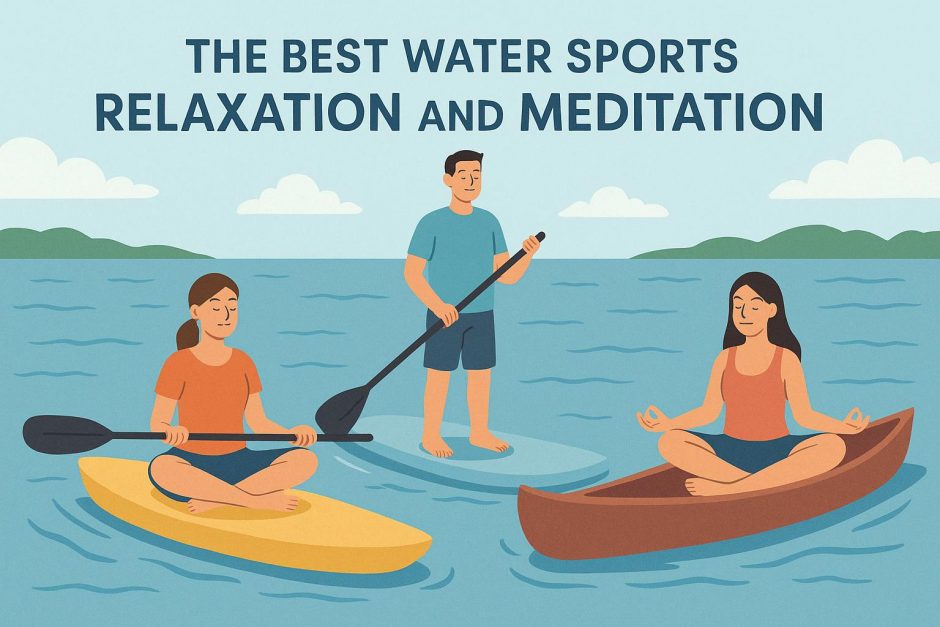
Introduction to Water Sports for Relaxation
Water sports are often associated with adrenaline and excitement, but several activities offer a tranquil experience aimed at relaxation and meditation. Engaging in water sports that focus on mindfulness can be an excellent way to unwind and connect with nature. Below are several water sports that are known for their calming qualities.
Stand-Up Paddleboarding (SUP)
Stand-Up Paddleboarding, commonly known as SUP, is an ideal water sport for those seeking a peaceful experience on the water. The activity involves standing on a large, stable board and using a paddle to navigate. Due to its gentle pace and minimal equipment, SUP allows individuals to enjoy the serene surroundings while engaging in a full-body workout. It can be enjoyed on various water bodies, such as lakes, rivers, and calm coastal areas.
In recent years, the popularity of SUP has soared due to its accessibility and minimal learning curve. Beginners can quickly grasp the fundamental techniques, while more advanced participants can refine their skills. The versatility of SUP makes it suitable for people of all ages and fitness levels. Furthermore, the rhythmic motion of paddling and the sound of water lapping against the board create an environment conducive to relaxation and mental clarity.
A typical SUP session begins with a safety briefing and an overview of basic paddling techniques. Once individuals feel comfortable balancing on the board, they can set out on their own to explore the water. The slow pace of SUP allows participants to navigate through serene environments, observing wildlife and enjoying the surrounding beauty. Benefits extend beyond relaxation, as the activity promotes cardiovascular health, increases core strength, and enhances overall balance and coordination.
Kayaking
Kayaking is another excellent choice for individuals looking for a relaxing water-based activity. Using a small, narrow boat and a double-bladed paddle, kayakers can explore calm waters at their own pace. Kayaking offers an opportunity to appreciate nature’s beauty and sounds, making it a meditative activity. Whether on a quiet river or a tranquil lake, it provides a sense of solitude and peace.
Kayaking doesn’t require prior experience, making it an appealing choice for many. The stability of modern kayaks helps beginners find comfort, while experienced paddlers can choose more challenging water routes. Over time, paddlers develop a smooth, rhythmic stroke that complements their environment. This repetitive motion can be meditative, encouraging mindfulness and presence in the moment.
As participants glide along the water’s surface, they can observe intricate ecosystems and local wildlife, further enhancing the sense of connection with nature. Kayaking also promotes physical fitness by strengthening the upper body and improving endurance. Moreover, it provides mental benefits, such as stress reduction, as individuals unplug from technology and immerse themselves in the natural world.
Snorkeling
For those interested in exploring underwater tranquility, snorkeling is a superb option. Snorkeling allows participants to float on the water’s surface while observing marine life. The rhythmic nature of snorkeling, along with the mesmerizing underwater scenery, creates a unique environment conducive to relaxation and mindfulness. Snorkelers can explore coral reefs and diverse marine ecosystems, making the activity both calming and educational.
Snorkeling equipment is straightforward and usually consists of a mask, a snorkel, and fins. These tools enable participants to breathe effortlessly while floating, providing unobstructed views beneath the waves.
A snorkeler’s journey usually begins with a gentle swim toward areas rich in aquatic life. Once at a chosen location, maintaining buoyancy is key. This floatation enables a leisurely observation of the captivating and dynamic marine ecosystem below. The combination of visual wonders and the tranquility of the water fosters a sense of calm and connection with nature. Additionally, snorkeling promotes environmental awareness, providing firsthand experiences of the delicate balance within marine habitats.
Floating Meditation
Floating meditation, also known as water meditation, is an innovative approach to practicing mindfulness on water. Participants lie on their back, often using a flotation device, and engage in meditation or deep breathing exercises. The gentle rocking motion of the water provides a soothing experience, enhancing the meditative state. This practice is best conducted in calm waters to maximize comfort and relaxation.
Floating meditation is an introspective activity often conducted in a group setting, guided by an instructor who provides a structured approach to mindfulness and relaxation. Participants typically start with deep breathing exercises to relax and center themselves. As they float, they focus on their breathing rhythm, the gentle movement of the water, and the sensation of weightlessness.
This sense of weightlessness and support fosters a unique mindfulness experience, allowing individuals to focus inward. The water becomes a medium for meditation, offering a sense of freedom and serenity distinct from traditional land-based practices. Floating meditation enhances self-awareness, reduces stress, and promotes a profound sense of well-being.
Yoga and Tai Chi on Water
Incorporating traditional land-based relaxation practices such as yoga and Tai Chi onto the water can provide a unique and tranquil experience. These practices, when performed on a stand-up paddleboard or similar platform, require focus, balance, and controlled movements. The added challenge of maintaining stability on the water’s surface can enhance the meditative aspects of these disciplines, leading to a profound state of relaxation.
Water-based yoga and Tai Chi capitalize on the calming nature of water to amplify their benefits. A session typically begins with a warm-up on land, familiarizing participants with the movements. Then, the group proceeds to the water, where stability becomes crucial. Each pose or movement demands concentration and control, weaving balance with traditional techniques.
The integration of water enhances the sensory experience, deepening the connection between body, mind, and environment. Participants develop heightened awareness and tranquility as they adjust to the gentle instability. This water-based adaptation bolsters the mental and physical benefits of both yoga and Tai Chi, encouraging mindfulness and fostering a holistic approach to relaxation.
Conclusion
Water sports are not solely about high-energy activities and competitions. They can also offer peaceful, meditative experiences that allow individuals to unwind and find inner peace. Engaging in relaxing water sports provides an opportunity to disconnect from everyday stresses and connect more deeply with nature. Whether you’re paddling, floating, or observing underwater life, these activities offer a serene escape and a path to mindfulness.
In conclusion, these water-based activities represent a diverse approach to achieving relaxation and mindfulness, extending the benefits of outdoor engagement to various fitness and experience levels. By participating in any of these pursuits, individuals can cultivate an appreciation for the calming properties of water and the vital role it plays in enhancing mental and physical well-being.