The Role of Water Conservation in Water Sports

Understanding Water Conservation in Water Sports: An In-Depth Exploration

Water conservation is an essential component in the world of water sports, highlighting the intersection of environmental responsibility and sustainability. Recognizing the importance of conserving water ensures the preservation and longevity of aquatic environments, safeguarding them for both current recreational activities and future generations. This detailed analysis delves into the various dimensions of water conservation within water sports.

The Interdependence of Water Sports and Water Conservation

Water sports such as kayaking, rowing, and surfing rely significantly on the availability of clean and plentiful water sources. These activities require distinct aquatic habitats, which can be affected by fluctuating water levels, varying quality, and seasonal availability. Therefore, adopting effective water conservation practices is pivotal in maintaining these conditions. This proactive approach guarantees that water sports enthusiasts can continue to indulge in their passions safely and enjoyably.

Impact of Water Sports on Aquatic Ecosystems

Engagements in water sports undeniably offer a plethora of physical and recreational benefits; however, they can also influence local ecosystems. Equipment such as boats introduces potential pollutants, and the activities themselves might disrupt sensitive aquatic habitats. By implementing water conservation strategies, these negative effects can be mitigated, ensuring that the intricate ecosystems remain undisturbed. This maintains the delicate ecological balance necessary for the health of aquatic environments.

Techniques for Water Conservation in Sports Facilities

There are several strategic approaches that sports facilities can adopt to enhance water conservation. A few key techniques include:

Efficient water management systems: The adoption of modern irrigation technology and advanced plumbing systems is crucial. These systems are designed to minimize water wastage, thereby conserving water effectively.

Reuse of water: Facilities can significantly cut down on water consumption by recycling water for multiple purposes. This reduces the need to draw additional water from natural sources, thereby conserving precious resources.

Promoting awareness: It is equally important to educate both participants and staff about the significance and methods of conservation practices. By fostering a culture that prioritizes sustainability, individuals within the facility are more likely to embrace water-saving habits.

Innovations Supporting Water Conservation

Technological advancements have paved the way for innovations that support water conservation within the realm of water sports. The development of eco-friendly materials utilized in sports equipment is one such innovation. These materials lessen environmental impact by minimizing the carbon footprint. Improved water filtration systems have also been introduced, effectively removing contaminants and ensuring cleaner waterways. These innovations form an integral part of reducing the environmental footprint linked to water-based activities. For more insights into sustainable practices in sports, one might consider exploring additional resources.

The Role of Policy in Promoting Water Conservation

Policies established by government bodies and organizations are crucial in reinforcing water conservation measures. These policies regulate water usage and manage discharge levels in sports facilities, impacting both the facilities and adjacent communities. It is imperative for sports organizations to align with local regulations and policies. Doing so ensures compliance with standards designed to support broader conservation goals and demonstrates a commitment to environmental stewardship.

Community Engagement and Education

The engagement of local communities is instrumental in augmenting water conservation efforts. Providing platforms for communities to get actively involved through initiatives like clean-up drives or educational workshops promotes widespread awareness and appreciation for water conservation. When communities are engaged, they are more likely to support sustainable practices and participate in conservation efforts, creating a ripple effect of positive change.

Conclusion

Water conservation remains foundational in the context of water sports, as it directly influences the sustainability and pleasure derived from aquatic activities. By integrating conservation practices and embracing innovative solutions, sports entities play a role in preserving water resources. Moreover, community involvement and adherence to policies further fortify these conservation efforts. This comprehensive approach ensures that water sports not only endure but also thrive, secure in the knowledge that future generations can cherish and enjoy them.

How to Become a Certified Scuba Diver

Introduction to Scuba Diving Certification

Scuba diving presents an exceptional chance to delve into the fascinating underwater world and interact with marine life in ways that few other activities offer. However, given the inherent nature of diving, it is critical to approach it with the proper knowledge and skills, which makes acquiring a scuba diving certification an essential step for any aspiring diver. This comprehensive guide aims to outline the detailed process of becoming a certified scuba diver, ensuring a safe and enjoyable experience.

Understanding the Certification Process

The journey to scuba diving certification typically begins by engaging in a structured training program. Such programs are generally facilitated by internationally recognized diving organizations that assure quality and safety. Among the most prominent certifying bodies are Professional Association of Diving Instructors (PADI), Scuba Schools International (SSI), and the National Association of Underwater Instructors (NAUI). These organizations are renowned for providing systematic training that equips divers with the necessary skills and theoretical understanding needed to dive safely and confidently.

Selecting a Diving School

The choice of a diving school plays a pivotal role in the certification process. It is imperative to opt for schools that not only have experienced instructors but also uphold a high-quality level of instruction. When selecting a diving school, consider:

  • Location: Choose a school located conveniently, either close to your home or at a preferred diving site, to make attending classes easy and practical.
  • Facility Quality: High-quality training facilities, modern equipment, and maintenance standards are indicative of the school’s commitment to student safety and effective teaching.
  • Instructor Credentials: Ensure that the instructors are highly qualified, with significant certifications and a good amount of experience in training divers.

Theoretical Knowledge

The initiation into scuba diving certification involves an in-depth exploration of the theoretical aspects of the diving discipline. This includes understanding various critical concepts such as dive physics, which involves how pressure changes as depth increases and their effect on the human body, along with underwater navigation, ensuring divers can safely find their way underwater. It also includes the study of decompression theory, essential for planning dives that minimize the risk of decompression sickness, and comprehension of dive tables for safe dive planning. Training often incorporates various materials, which may be available online or in physical formats, allowing learners to proceed at their pace.

Confined Water Training

Once the theoretical groundwork is laid, students advance to practical training within a controlled and safe environment, typically a swimming pool. These sessions are designed to make the diver comfortable underwater and cover essential skills like:

  • Equipment Setup and Usage: Understanding and practicing the correct setup and operation of diving gear to ensure safety and ease underwater is integral.
  • Buoyancy Control: Mastering buoyancy is crucial in diving to maintain control and conserve energy. Training involves learning how to adjust buoyancy to float, hover, or descend as needed.
  • Emergency Procedures: It’s vital to be prepared for emergencies. Training includes practicing scenarios such as sharing air with a buddy or dealing with equipment malfunctions.
Open Water Dives

The culmination of confined water training is then practiced in real-world aquatic environments through what are known as open water dives. These sessions are conducted under direct instructor supervision to ensure safety and allow for immediate feedback. The purpose of these open water sessions is to validate the diver’s ability to apply previously learnt skills in dynamic natural settings, ensuring they are able to navigate, communicate, and manage their equipment effectively in a myriad of conditions.

Final Certification

Upon the successful completion of all required skill sets and assessment of theoretical knowledge, divers are awarded a certification card. This card serves as a formal recognition of their competence, affirming their ability to dive independently with certain limitations, usually up to a depth of 18 meters (60 feet) for those with an entry-level certification.

Advanced Certification Options

After obtaining the initial certification, divers often have the option to expand their skills by pursuing advanced courses. These additional courses provide an opportunity for divers to specialize in areas that match their interests or diving needs. Some advanced certifications might focus on particular specialties like underwater photography, enabling divers to capture breathtaking images within the depths, wreck diving, which involves exploring sunken ships and other submerged structures, or deep diving, allowing exploration of greater depths safely. For detailed information about advanced courses and options, divers can explore resources provided by prominent certifying bodies such as PADI, SSI, or NAUI.

Conclusion

Embarking on the journey to becoming a certified scuba diver combines rigorous theoretical learning with practical, hands-on training. By ensuring selection of a reputable training program and dedicating ample time and effort to mastering required skills, prospective divers can confidently join the global community of underwater explorers. In doing so, they can safely revel in the unparalleled beauty and diversity that lies beneath the ocean’s surface, paving the way for lifelong adventures and exploration of the marine world.

The Basics of Kite Surfing and How to Get Started

The Basics of Kite Surfing

Kite surfing, also known as kiteboarding, stands as a prominent water sport that synthesizes elements of surfing, windsurfing, and paragliding. In essence, it involves the utilization of a sizable, adaptable power kite to draw a rider gliding across water on a compact board. Not only is this sport dynamic and exciting, but it also caters to an array of skill levels, rendering it both a thrilling recreational activity and a platform for competitive pursuits.

At the heart of kite surfing lies the power generated by the wind, harnessed via a kite that is tethered to the rider through a control bar and lines. The control bar serves as a mechanism for the rider to regulate the kite, dictating both the direction and velocity during the activity. Moreover, a harness, worn on the individual’s body, assists in dispersing the kite’s pull, thus decreasing arm strain and affording enhanced control over movements.

Essential Equipment

In order to partake in kite surfing, certain fundamental equipment pieces are indispensable.

Kite: The kite’s size and type are contingent upon the prevailing wind conditions, in addition to the rider’s weight and experience level. Novices typically opt for a smaller kite due to its ease of control, providing a safer introduction to the sport.

Control Bar and Lines: Serving as the primary device for steering the kite, the control bar holds a key role, with the lines connecting the kite to the bar enhancing the rider’s ability to manage the kite’s movements. These lines are typically constructed from robust materials like Dyneema or Spectra, designed to endure significant tension.

Board: Resembling wakeboards, kiteboards vary from twin-tips to directional boards. For beginners, a twin-tip board is generally recommended due to its user-friendliness and versatility.

Harness: A vital piece of equipment, the harness aids in regulating the kite’s pull. It might be designed to fasten around the waist, hips, or seat, contingent on the specific design.

Getting Started with Kite Surfing

Before plunging into the world of kite surfing, securing a foundational understanding and practical training is vital.

Find a Qualified Instructor: Embarking on professional kite surfing lessons stands as a pivotal step in ensuring safety and acquiring foundational skills. Qualified instructors can furnish personalized guidance and valuable feedback, which facilitates a more efficient and enjoyable learning experience.

Understand Wind and Weather Conditions: Mastering the ability to interpret wind and weather patterns is crucial. Evaluating wind speed, direction, and identifying any potential hazards such as lightning or strong currents are integral pre-session steps to ensure a safe kite surfing experience.

Practice Kite Control: Engaging in ground-based training allows beginners to become adept with kite control and necessary safety procedures. This practice encompasses learning the techniques to launch, land, and adeptly maneuver the kite.

Safety Considerations

Despite its exhilarating nature, kite surfing mandates a serious approach to safety.

Check Equipment: A routine inspection of the kite, lines, and board is essential to ascertain there are no damages or signs of wear, thereby preventing equipment failure during the activity.

Wind and Water Conditions: Constant confirmation that the weather conditions align with one’s skill level is a non-negotiable safety measure. This includes steering clear of gusty winds and areas ridden with obstacles.

Wear Suitable Gear: Donning appropriate gear like a helmet, life vest, and wetsuit not only furnishes protection but also provides buoyancy while in the water.

Respect the Environment and Others: An awareness and appreciation of wildlife, coastal ecosystems, and fellow water enthusiasts significantly contribute to enhancing safety and enjoyment in the sport. Exhibiting courtesy and being environmentally conscious form the backbone of a sustainable kite surfing practice.

Conclusion

Kite surfing embodies the thrill of liberation over the waves. With appropriate equipment and training, this sport unfolds as a rewarding and exhilarating pursuit. Prioritizing safety, cultivating awareness, and honing proper techniques are pivotal in embarking on and excelling in kite surfing. For those seeking additional knowledge about kite surfing, or resources pertaining to local instructors, numerous informative blogs and community resources remain accessible. Notably, the International Kiteboarding Organization offers a hub of useful information for enthusiasts and learners alike.

The Best Spots for Cliff Diving Around the World

Understanding Cliff Diving

Cliff diving is a distinct and enthralling sport that has captivated individuals by merging the thrill of acrobatics with the challenge of defying gravity. Participants, often highly trained athletes, are required to leap from substantial heights into water bodies below. The intersection of athletic prowess, mental strength, and respect for natural landscapes makes cliff diving a unique pursuit.

Acapulco, Mexico: A Dive into History and Nature

Acapulco, a coastal city in Mexico, holds a prestigious position in the world of cliff diving. The La Quebrada cliffs have garnered worldwide recognition due to their challenging terrain and stunning ocean backdrop. The act of diving from these heights, ranging from 35 to 135 feet, involves a high degree of precision and bravery. Professional divers here regularly engage audiences with heart-stopping performances, turning this location into a celebrated destination for both thrill-seekers and spectators. Over the years, the legends and lore surrounding these dives have only increased the allure of Acapulco’s cliffs.

Kamari Beach, Santorini, Greece: Where Landscape Meets Adventure

Kamari Beach in Santorini presents an enchanting option for those interested in diving off cliffs. The landscape shaped by volcanic activity offers dramatic cliffs that perfectly cater to this sport. Divers indulge in the experience as they plunge into the deep, transparent waters of the Aegean Sea. The fusion of adrenaline and the serene beauty of Santorini creates a memorable experience for participants, whether they are seasoned professionals or novices. Furthermore, the island’s culture and ancient history provide an enriching backdrop for these adventures.

Hawai’i, USA: Diving in Paradise

The Hawaiian Islands boast a plethora of spots ideal for cliff diving, with South Point on the Big Island often cited as a preferred locale. Known for its panoramic ocean views and diverse marine life, the opportunities for different jump heights make it a versatile option. The Pacific Ocean’s warm embrace and the moderate climate enhance the diving experience, allowing divers to engage with their environment comfortably. The tropical setting of Hawaii adds an exotic flair, making it a favored choice for diving enthusiasts globally.

Lagoa, Algarve, Portugal: A Diver’s Haven

The coastal cliffs of Lagoa in Portugal’s Algarve region are another sought-after cliff diving destination. The area’s mild weather, sunny skies, and relatively calm seas contribute significantly to its popularity among divers. Lagoa’s cliffs offer a broad spectrum of diving heights, coupled with the alure of sweeping ocean views. The region’s natural beauty and consistent climatic conditions attract numerous divers every year, making it a central hotspot for those keen on experiencing cliff diving in a European setting.

Dún Aonghasa, Inishmore, Ireland: A Historical Dive

Offering a blend of history and adventure, the cliffs at Dún Aonghasa on Inishmore Island in Ireland present a distinctive cliff diving opportunity. Thanks to their historical significance and towering heights, these cliffs attract divers seeking a blend of thrill and cultural enrichment. The Aran Islands’ rugged terrain and storied past provide a stunning backdrop for cliff diving activities. This location serves as a reminder that diving can be a metaphorical leap into the past, where historical narratives and natural elements intertwine.

Emphasizing Safety in Cliff Diving

Embarking on a cliff diving adventure necessitates a committed focus on safety. Divers must thoroughly inspect the depth and current status of the water, ensuring the absence of submerged hazards like rocks or debris. Additionally, being aware of changing weather conditions, such as wind and tide levels, is critical to maintaining safety. For newcomers, enrolling in safety courses or teaming up with experienced divers ensures a foundational understanding of the sport’s safety protocols. Safety should always be given precedence to harness the full enjoyment of this exhilarating experience.

Final Thoughts

Cliff diving remains an unrivaled sport in its ability to offer both an adrenaline rush and an admixture of natural beauty. For divers, each leap signifies an embrace of nature’s untamed spirit. From the historic cliffs of Ireland to sunny coasts in Mexico and the serene beachscapes of Greece and Portugal, every locale offers its own distinct charm. Those contemplating diving into this sport are encouraged to embrace it with a blend of excitement and caution, honoring both their safety and the majestic environments they explore.

How to Navigate Rapids While Whitewater Rafting

Understanding Rapids

Whitewater rafting involves navigating rapids, which are sections of a river characterized by increased water turbulence. Rapids vary widely, not only in terms of appearance but also in the level of challenge they present to rafters. This challenge is organized into a classification system ranging from Class I to Class VI. Class I rapids are considered the easiest and safest, featuring small waves and minimal obstacles; they are usually suitable for beginners and require little maneuvering skill. In contrast, Class VI rapids are extremely challenging and dangerous, demanding high levels of expertise and experience; these rapids can pose serious risk, even to seasoned rafters.

Importance of Rapid Classification

Understanding rapid classifications is vital for any rafting activity as it helps participants select an appropriate stretch of river according to their abilities and experience. For example, novice rafters may prefer Class I or II rapids, which provide a basic introduction to rafting. Intermediate levels might aim for Class III rapids where moderate maneuvering skills are necessary. More advanced rafters often seek the thrill of Class IV and V rapids, which offer rigorous challenges and require precise control and teamwork.

Preparing for the Adventure

Embarking on a whitewater rafting adventure involves comprehensive preparation, which centers around ensuring all participants are equipped with the necessary safety equipment. This equipment typically includes a helmet to protect against head injuries, a secure life jacket suitable for whitewater conditions, and a robust pair of shoes that provide good grip and protection in wet environments. In addition to personal safety gear, bringing a waterproof bag for storing essentials such as a mobile phone, snacks, or a first-aid kit can be advantageous during the trip.

Attending a Safety Briefing

Before entering the water, attending a safety briefing is essential. During this session, a professional guide will provide crucial information, covering necessary techniques, identification of potential hazards, and clarification of emergency procedures to ensure participant safety. Paying close attention during this briefing is necessary, and participants are encouraged to clarify doubts by asking questions to gather all relevant information.

Techniques for Navigating Rapids

The art of navigating rapids effectively is a confluence of individual skills, knowledge, and teamwork. Each participant plays a crucial role in traversing turbulent waters safely. Cultivating expertise in several techniques enhances maneuverability and helps tackle the challenges that come with various types of rapids.

Reading the Water

A key skill in whitewater rafting is the ability to read the water. This involves looking ahead and identifying obstacles such as rocks or fallen branches, as well as avoiding areas where the water recirculates or flows backward, known as hydraulics or holes. Identifying routes where the water runs smoothly and swiftly can facilitate safer passage through the rapids, reducing risks and mitigating challenges.

Paddle Management

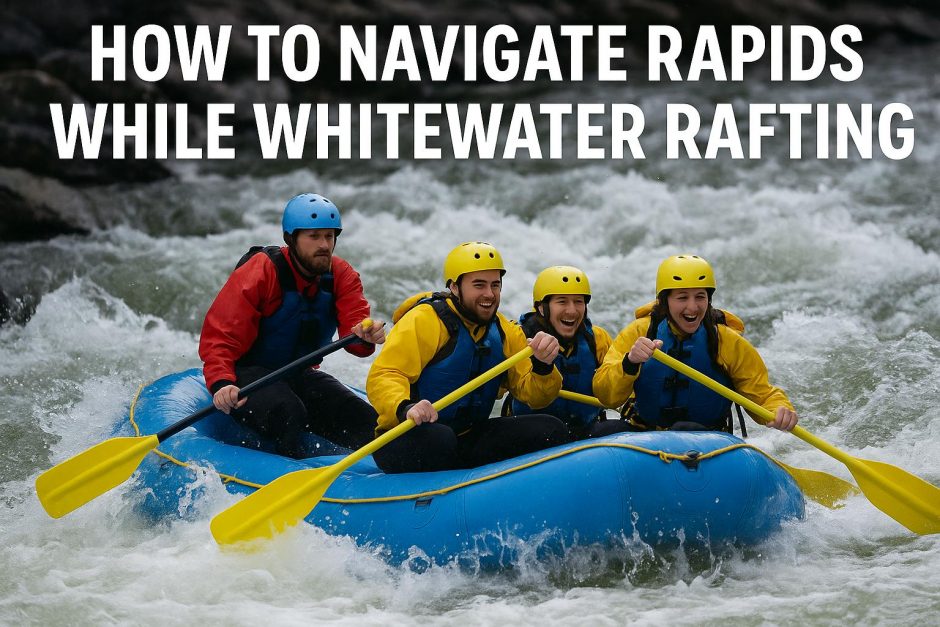
The technique of paddle management is fundamental. Participants should firmly grasp the paddle, keeping the upper hand on the grip and utilizing the shaft with the lower hand for leverage. This grip helps rafters harness both power and precision in their strokes. Coordination among team members is equally important as it allows the group to respond efficiently to the guide’s commands, especially in challenging rapids.

Basic Strokes

Mastering basic paddle strokes is a crucial component of rafting technique:

  • Forward Stroke: This stroke is essential for propulsion. It is performed by submerging the paddle blade at the rafter’s feet and pulling it back smoothly through the water, enabling the raft to move forward steadily.
  • Backward Stroke: The backward stroke is the converse of the forward stroke and is used to slow down or move the raft backward, a critical skill when approaching obstacles or needing to adjust positions quickly.
  • Draw Stroke: The draw stroke moves the raft sideways, an advantageous maneuver for evading obstacles or aligning the raft optimally within the river channel.

Communication

Effective communication stands at the heart of successful rafting. Familiarizing oneself with various hand signals and verbal commands is crucial. These communication methods ensure all team members are promptly informed of impending actions or conditions, facilitating seamless coordination and swift responses to unforeseen changes or obstacles.

Adapting to the Environment

Navigating rapids demands awareness and adaptability to environmental factors such as changing weather conditions that can alter water levels and flow speeds, directly impacting rafting conditions. Swift adaptation to these variables is crucial to safe and enjoyable rafting.

Staying Calm Under Pressure

Maintaining tranquility in challenging situations is paramount. Panic often exacerbates risks and complicates the management of difficult scenarios. Remaining calm, adhering to the guide’s advice, and fostering team collaboration enhance safety. In case of falling out of the raft, the “nose and toes” safety position is recommended: lying on one’s back with feet directed downstream and the nose above water, ensuring buoyancy and minimal risk of injury from underwater obstacles.

Conclusion

Whitewater rafting through rapids offers a unique blend of excitement, requiring skillful navigation and a heightened sense of safety awareness. By adequately preparing, understanding the river’s dynamic environment, and ensuring cohesive teamwork, participants can maximize enjoyment while safely tackling the inherent challenges of this thrilling adventure sport.