
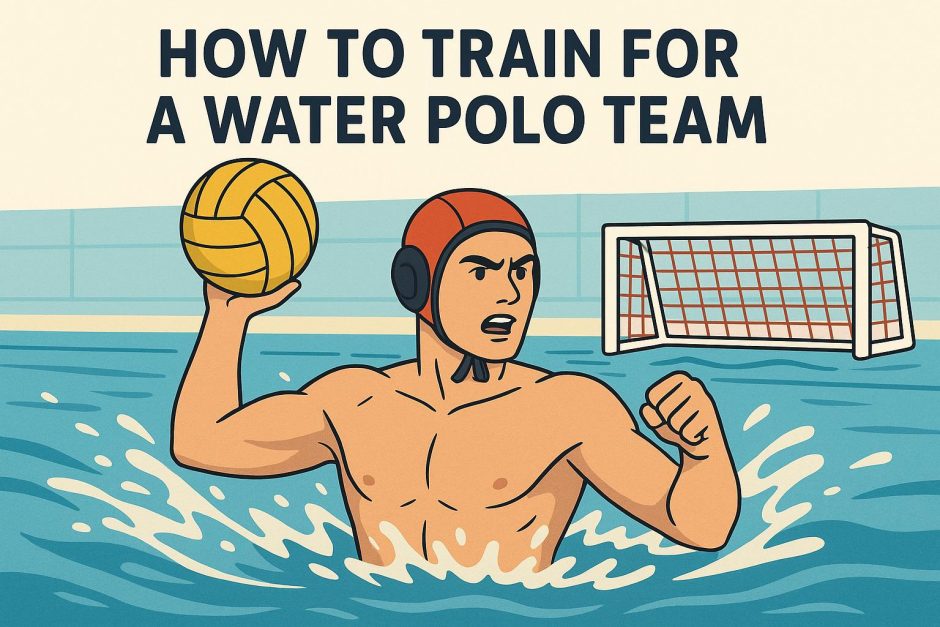
Understanding the Basics of Water Polo
Water polo is a sport that demands not just physical prowess, but a sound understanding of complex strategies and skill sets. This dynamic aquatic sport melds the physical demands of rigorous swimming with the agility and precision of ball handling. Aspiring players are required to build a strong foundation in swimming, while comprehending the rules and strategic maneuvers essential for water polo. Effective training is not merely about physical conditioning, but also emphasizes skill development and teamwork.
Building Physical Fitness
Physical fitness is the cornerstone for any water polo player due to the sport’s exhaustive nature. The importance of endurance, strength, and agility cannot be overstated. Water polo players should regularly engage in swimming to improve their stamina and refine their technique, which are intrinsic to excelling in the sport. Emphasis should be placed on mastering various strokes, where freestyle is crucial for speed, and backstroke aids in maintaining positional awareness in the pool.
In addition to swimming, a balanced fitness routine should incorporate strength training and conditioning exercises. This well-rounded regimen targets key areas like core strength, lower body muscles, and overall body conditioning. Exercises such as squats and push-ups fortify the body’s core and contribute to better in-water stability and strength. Core workouts, such as planks, enhance body control, leading to improved performance and reduced injury risk during gameplay.
Developing Ball Skills
Ball handling is another vital aspect of water polo. Players must cultivate the ability to pass, shoot, and control the ball with both precision and fluidity. Regular practicing of ball handling, both in and out of the water, can significantly increase a player’s versatility. Dedicating time to drills designed to enhance accuracy and speed in ball passing and shooting will pay off during actual games.
Moreover, mastering the art of treading water, specifically the eggbeater kick, is crucial. This skill allows players to retain balance and position while managing the ball. Practicing effective eggbeater kicking can provide significant stability and height, essential for both offensive strikes and defensive blocks. Continual honing of these skills can significantly influence a player’s gameplay efficacy.
Understanding Game Strategy
A deep comprehension of the rules and strategies unique to water polo is indispensable. Gaining knowledge about the different positions within the team and understanding their individual responsibilities is crucial. These positions include, but are not limited to, the center forward, the wings, the point, and the goalkeeper. Each position has distinct roles during a game, requiring specific skill sets and strategic awareness.
Familiarity with both offensive and defensive strategies is vital. Players should invest time in learning about settings like the ‘man-up’ offense or the ‘zone’ defense, enhancing their tactical understanding. Observing professional matches and analyzing strategies can provide deeper insights into effective gameplay, resulting in an increased acumen for executing advanced plays and adapting in real-time during matches.
Training with a Team
Since water polo is inherently a team sport, frequent practice with a team is crucial for developing not just personal skills but also team synergy. Engaging in scrimmages enables players to apply their honed skills in a realistic game context, fostering a sense of teamwork and synchronization. It is critical for players to build communication skills and learn how to work collaboratively through these team practices. The ability to coordinate effectively with teammates can often be the deciding factor in achieving success during competitive matches.
Conclusion
In conclusion, training for water polo is a multifaceted endeavor that demands unwavering dedication and consistent effort across various dimensions, including physical conditioning, as well as skill and strategy development. Continuous engagement with teammates and relentless practice aimed at enhancing swimming techniques and ball handling skills are essential to preparing oneself for the rigors of competition. For those aspiring to further deepen their understanding and proficiency in water polo, exploring educational resources provided by esteemed organizations such as USA Water Polo can be a valuable step. These platforms offer an array of drills, insights, and practical tips tailored towards honing one’s water polo performance, providing a comprehensive guide for athletes looking to excel in the sport.