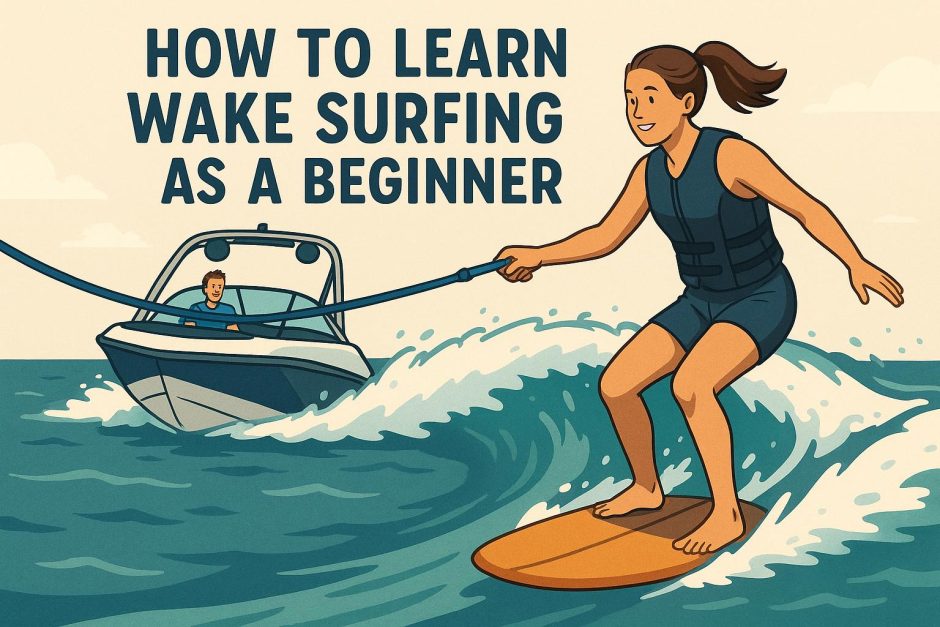
How to Learn Wake Surfing as a Beginner

Understanding Wake Surfing

Wake surfing is a dynamic water sport that involves riding the wake produced by a boat, without a direct connection to the boat itself. Unlike other water sports such as water skiing or traditional surfing, wake surfing relies on a specifically designed boat that generates a wake similar to ocean waves. The thrill of gliding across the water and performing tricks on the wake makes wake surfing a favorite for water sports enthusiasts. For beginners and experts alike, mastering wake surfing requires understanding the technique, equipment, and environment.

Essential Equipment

Before hitting the water, it’s crucial to have the right equipment tailored for wake surfing. Here are some of the essential items you’ll need:

Wakeboard Boat: The backbone of wake surfing, the boat plays a pivotal role in generating the right wake. A wakeboard boat is designed with ballast systems that allow it to carry extra weight, enhancing the wake’s size and form. By adjusting these ballast systems, the boat can produce wakes ideal for surfing. The engine should also be powerful enough to maintain consistent speeds while towing a surfer.

Wake Surfboard: The choice of board significantly impacts your performance on the water. Wake surfboards differ from traditional ocean surfboards in both design and function. They are typically shorter, allowing for greater maneuverability, and their thickness provides buoyancy to stay atop the wake. Different shapes cater to different styles, whether you’re into performing tricks or simply cruising.

Rope and Handle: To begin wake surfing, you’ll require a specialized rope and handle. Contrary to common ropes, wake surfing ropes are thicker and less elastic, giving surfers better grip and control as they get up on the board and initially ride the wake.

Life Jacket: Safety is non-negotiable, thus a U.S. Coast Guard-approved life jacket is essential. Not only does it keep you afloat, but it also offers protection in case of falls or accidents. Finding a comfortable yet snug fit ensures you’re safe without hindering movement.

Setting Up to Surf

Creating the perfect wake is a blend of science and art. By understanding how to manipulate the boat’s features, you can create an optimal surfing experience. Here’s how to get started:

The key to generating an excellent wake lies in adjusting both the speed and ballast configuration of the boat. Typically, a speed between 10 to 12 mph is ideal for producing a wake that is both surfable and safe. Depending on the boat’s design and the surfer’s preference, the ballast tanks can be filled to create a wave on the desired side of the boat. This configuration allows the surfer to ride the wave effectively.

Getting Started

For newcomers to wake surfing, getting up on the board and maintaining balance might seem daunting at first. However, with patience and practice, you can master the basics and even progress to more advanced techniques.

Getting Up on the Board

The journey begins with understanding how to get onto the board from the water. As a beginner, start by positioning yourself in the water, holding onto the rope with your knees bent, and keeping the board perpendicular to the boat. As the boat slowly accelerates, let the tension from the rope assist you in standing up. Keeping a balanced stance is crucial in this stage to avoid falling off.

Finding Balance

Once upright, achieving balance is the next milestone. Place a majority of your weight on your back foot while ensuring your knees stay slightly bent. This position aids in maintaining control and adjusting your speed naturally through the water. Building this balance early on can lead to swift improvements and confidence on the wakes.

Letting Go of the Rope

Letting go of the rope marks the transition from tethered riding to true wake surfing. As you develop stability, slowly ease the pressure on the rope until you can release it completely. Maintaining your stance will demand subtle weight shifts and body movements to stay on the wake. Mastering this ability to ride smoothly allows for more complex maneuvers and stunts in the future.

Safety Tips

Safety is paramount when engaging in wake surfing. Communicating with the boat driver is crucial to ensure awareness of your location and intentions. Maintain a safe distance from the boat to avoid any potential accidents and ensure the driver is vigilant about your position on the wake. By following these safety protocols, you can minimize risks and focus on enjoying the ride.

Continuous Learning

Progress in wake surfing is about continuous learning and adapting to new challenges. Beyond mastering the basics, experimenting with various board designs, wake shapes, and surf speeds can significantly refine skills and style. Engage with local wake surfing groups or enroll in courses to learn from seasoned surfers and gain new perspectives. The community aspect of wake surfing can bring valuable camaraderie as well as shared knowledge.

With dedication and practice, wake surfing can become a rewarding and exhilarating pursuit. The combination of technical skills and environmental awareness needed to succeed also extend to improving fitness and cultivating an appreciation for the water. As you continue on your wake surfing journey, remember that each time on the water is an opportunity to learn, grow, and find joy in this exhilarating sport.
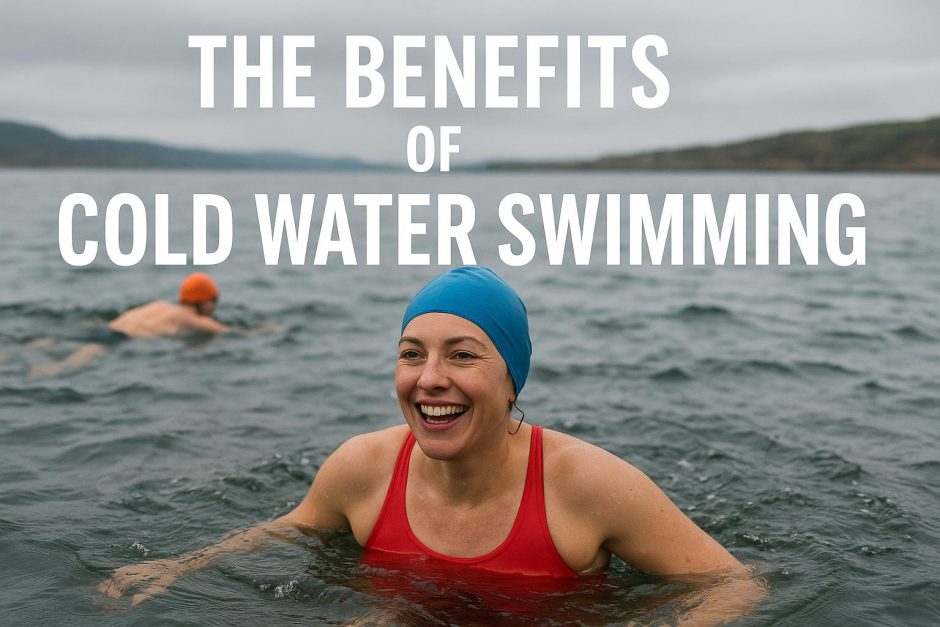
The Benefits of Cold Water Swimming

The Physiological Benefits

Cold water swimming, often referred to as open water swimming, is increasingly popular due to its wide array of health benefits. This activity, which includes immersing oneself in naturally cold waters like lakes, seas, or oceans, offers a unique way to improve both physical and mental health. One of the primary advantages of cold water swimming is its positive impact on the cardiovascular system. Exposure to cold water compels the body to work harder to maintain its core temperature, thereby enhancing blood circulation and stimulating heart function.

Cardiovascular System and Cold Water Exposure

When you enter cold water, your body activates a series of physiological responses designed to protect its vital functions. The initial contact with cold temperatures triggers vasoconstriction, where blood vessels near the skin’s surface constrict, redirecting blood flow to essential organs. This activity can improve cardiovascular efficiency, assisting in the maintenance of a healthy heart and robust circulation over time.

Further research indicates that cold water immersion prompts the release of norepinephrine, a hormone that augments blood flow and supports heart health. Norepinephrine also has properties that may reduce inflammation in tissues, which can be beneficial for cardiovascular health. Additionally, engaging regularly in cold water swimming may enhance metabolism, contributing to weight management and potentially aiding in weight loss efforts by promoting fat burning.

Improved Mental Health

Apart from its physical benefits, cold water swimming exerts a favorable influence on mental well-being. Studies have shown that consistent exposure to cold water can alleviate symptoms of anxiety and depression. This is largely due to the endorphins released during cold exposure, which lead to mood enhancement and a sense of well-being. Endorphins work as natural painkillers, relieving stress and promoting positive mental health.

Moreover, cold water swimming requires a significant degree of mindfulness. The initial shock of cold water forces swimmers to focus intensely on their breathing and the task at hand, fostering a meditative state. This heightened focus and presence in the moment can significantly improve one’s ability to manage stress in everyday life. For those who are keen on exploring the research findings on cold-water adaptation, detailed studies are available for further reading.

Enhanced Immune Function

A significant number of cold water swimming enthusiasts report experiencing fewer common illnesses like colds and the flu. One contributing factor to this phenomenon is the increased production of white blood cells during cold water exposure. White blood cells play a crucial role in the immune response by fighting off infections and pathogens. Enhancing this immune response helps in fortifying the body’s defense mechanisms, offering a natural way to bolster immunity.

Additionally, regular cold exposure may condition the body to adapt quickly to varying temperatures, reducing the severity of common colds and other illnesses. By challenging the body’s systems, cold water swimming promotes resilience, potentially resulting in fewer illnesses over time.

Skill Development and Experience

Embarking on the journey of cold water swimming necessitates the development of specific skills and the acquisition of valuable experiences. Swimmers need to cultivate a tolerance to cold temperatures and to learn how to manage their breathing effectively under the stress cold water introduces. These skills, while essential for safe swimming, translate into broader life skills such as enhanced personal resilience and adaptability.

Particularly, the ability to maintain calm and control breathing in stressful conditions is a transferable skill of substantial value in various life situations. Developing such skills not only benefits one’s swimming capabilities but also enhances overall personal development. For those keen on advancing their training for cold water swimming, further resources are readily available to guide this process.

Considerations and Cautions

Despite the numerous advantages of cold water swimming, it might not be suitable for everyone, warranting careful consideration. Individuals with underlying health conditions should seek medical advice before engaging in this activity. It is essential to recognize potential risks like hypothermia and ensure that appropriate safety measures are taken. This includes slowly acclimatizing oneself to cold temperatures and always swimming with a companion for safety.

Proper preparation and education are key elements to safely enjoying the benefits of cold water swimming. By acknowledging both the activity’s physical and mental health advantages, one can engage in this invigorating pursuit with confidence, ensuring it remains an enriching and safe experience.

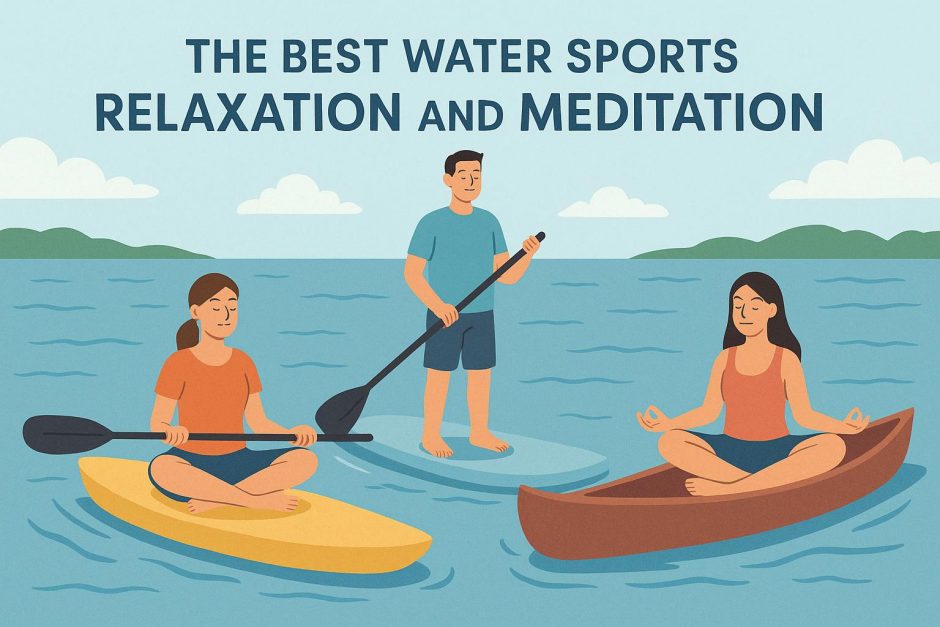
The Best Water Sports for Relaxation and Meditation

Introduction to Water Sports for Relaxation

Water sports are often associated with adrenaline and excitement, but several activities offer a tranquil experience aimed at relaxation and meditation. Engaging in water sports that focus on mindfulness can be an excellent way to unwind and connect with nature. Below are several water sports that are known for their calming qualities.

Stand-Up Paddleboarding (SUP)

Stand-Up Paddleboarding, commonly known as SUP, is an ideal water sport for those seeking a peaceful experience on the water. The activity involves standing on a large, stable board and using a paddle to navigate. Due to its gentle pace and minimal equipment, SUP allows individuals to enjoy the serene surroundings while engaging in a full-body workout. It can be enjoyed on various water bodies, such as lakes, rivers, and calm coastal areas.

In recent years, the popularity of SUP has soared due to its accessibility and minimal learning curve. Beginners can quickly grasp the fundamental techniques, while more advanced participants can refine their skills. The versatility of SUP makes it suitable for people of all ages and fitness levels. Furthermore, the rhythmic motion of paddling and the sound of water lapping against the board create an environment conducive to relaxation and mental clarity.

A typical SUP session begins with a safety briefing and an overview of basic paddling techniques. Once individuals feel comfortable balancing on the board, they can set out on their own to explore the water. The slow pace of SUP allows participants to navigate through serene environments, observing wildlife and enjoying the surrounding beauty. Benefits extend beyond relaxation, as the activity promotes cardiovascular health, increases core strength, and enhances overall balance and coordination.

Kayaking

Kayaking is another excellent choice for individuals looking for a relaxing water-based activity. Using a small, narrow boat and a double-bladed paddle, kayakers can explore calm waters at their own pace. Kayaking offers an opportunity to appreciate nature’s beauty and sounds, making it a meditative activity. Whether on a quiet river or a tranquil lake, it provides a sense of solitude and peace.

Kayaking doesn’t require prior experience, making it an appealing choice for many. The stability of modern kayaks helps beginners find comfort, while experienced paddlers can choose more challenging water routes. Over time, paddlers develop a smooth, rhythmic stroke that complements their environment. This repetitive motion can be meditative, encouraging mindfulness and presence in the moment.

As participants glide along the water’s surface, they can observe intricate ecosystems and local wildlife, further enhancing the sense of connection with nature. Kayaking also promotes physical fitness by strengthening the upper body and improving endurance. Moreover, it provides mental benefits, such as stress reduction, as individuals unplug from technology and immerse themselves in the natural world.

Snorkeling

For those interested in exploring underwater tranquility, snorkeling is a superb option. Snorkeling allows participants to float on the water’s surface while observing marine life. The rhythmic nature of snorkeling, along with the mesmerizing underwater scenery, creates a unique environment conducive to relaxation and mindfulness. Snorkelers can explore coral reefs and diverse marine ecosystems, making the activity both calming and educational.

Snorkeling equipment is straightforward and usually consists of a mask, a snorkel, and fins. These tools enable participants to breathe effortlessly while floating, providing unobstructed views beneath the waves.

A snorkeler’s journey usually begins with a gentle swim toward areas rich in aquatic life. Once at a chosen location, maintaining buoyancy is key. This floatation enables a leisurely observation of the captivating and dynamic marine ecosystem below. The combination of visual wonders and the tranquility of the water fosters a sense of calm and connection with nature. Additionally, snorkeling promotes environmental awareness, providing firsthand experiences of the delicate balance within marine habitats.

Floating Meditation

Floating meditation, also known as water meditation, is an innovative approach to practicing mindfulness on water. Participants lie on their back, often using a flotation device, and engage in meditation or deep breathing exercises. The gentle rocking motion of the water provides a soothing experience, enhancing the meditative state. This practice is best conducted in calm waters to maximize comfort and relaxation.

Floating meditation is an introspective activity often conducted in a group setting, guided by an instructor who provides a structured approach to mindfulness and relaxation. Participants typically start with deep breathing exercises to relax and center themselves. As they float, they focus on their breathing rhythm, the gentle movement of the water, and the sensation of weightlessness.

This sense of weightlessness and support fosters a unique mindfulness experience, allowing individuals to focus inward. The water becomes a medium for meditation, offering a sense of freedom and serenity distinct from traditional land-based practices. Floating meditation enhances self-awareness, reduces stress, and promotes a profound sense of well-being.

Yoga and Tai Chi on Water

Incorporating traditional land-based relaxation practices such as yoga and Tai Chi onto the water can provide a unique and tranquil experience. These practices, when performed on a stand-up paddleboard or similar platform, require focus, balance, and controlled movements. The added challenge of maintaining stability on the water’s surface can enhance the meditative aspects of these disciplines, leading to a profound state of relaxation.

Water-based yoga and Tai Chi capitalize on the calming nature of water to amplify their benefits. A session typically begins with a warm-up on land, familiarizing participants with the movements. Then, the group proceeds to the water, where stability becomes crucial. Each pose or movement demands concentration and control, weaving balance with traditional techniques.

The integration of water enhances the sensory experience, deepening the connection between body, mind, and environment. Participants develop heightened awareness and tranquility as they adjust to the gentle instability. This water-based adaptation bolsters the mental and physical benefits of both yoga and Tai Chi, encouraging mindfulness and fostering a holistic approach to relaxation.

Conclusion

Water sports are not solely about high-energy activities and competitions. They can also offer peaceful, meditative experiences that allow individuals to unwind and find inner peace. Engaging in relaxing water sports provides an opportunity to disconnect from everyday stresses and connect more deeply with nature. Whether you’re paddling, floating, or observing underwater life, these activities offer a serene escape and a path to mindfulness.

In conclusion, these water-based activities represent a diverse approach to achieving relaxation and mindfulness, extending the benefits of outdoor engagement to various fitness and experience levels. By participating in any of these pursuits, individuals can cultivate an appreciation for the calming properties of water and the vital role it plays in enhancing mental and physical well-being.

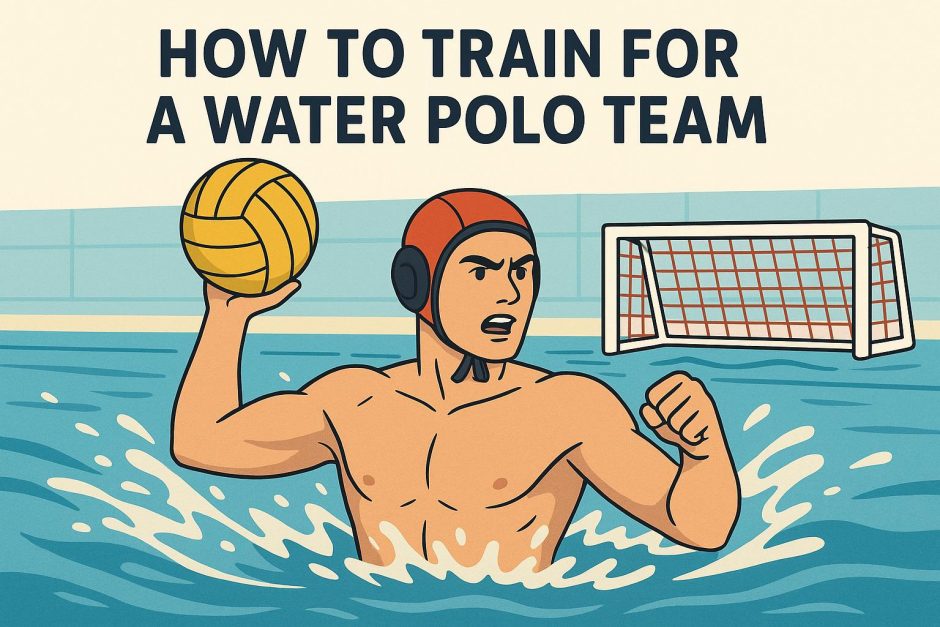
How to Train for a Water Polo Team

Understanding the Basics of Water Polo

Water polo is a sport that demands not just physical prowess, but a sound understanding of complex strategies and skill sets. This dynamic aquatic sport melds the physical demands of rigorous swimming with the agility and precision of ball handling. Aspiring players are required to build a strong foundation in swimming, while comprehending the rules and strategic maneuvers essential for water polo. Effective training is not merely about physical conditioning, but also emphasizes skill development and teamwork.

Building Physical Fitness

Physical fitness is the cornerstone for any water polo player due to the sport’s exhaustive nature. The importance of endurance, strength, and agility cannot be overstated. Water polo players should regularly engage in swimming to improve their stamina and refine their technique, which are intrinsic to excelling in the sport. Emphasis should be placed on mastering various strokes, where freestyle is crucial for speed, and backstroke aids in maintaining positional awareness in the pool.

In addition to swimming, a balanced fitness routine should incorporate strength training and conditioning exercises. This well-rounded regimen targets key areas like core strength, lower body muscles, and overall body conditioning. Exercises such as squats and push-ups fortify the body’s core and contribute to better in-water stability and strength. Core workouts, such as planks, enhance body control, leading to improved performance and reduced injury risk during gameplay.

Developing Ball Skills

Ball handling is another vital aspect of water polo. Players must cultivate the ability to pass, shoot, and control the ball with both precision and fluidity. Regular practicing of ball handling, both in and out of the water, can significantly increase a player’s versatility. Dedicating time to drills designed to enhance accuracy and speed in ball passing and shooting will pay off during actual games.

Moreover, mastering the art of treading water, specifically the eggbeater kick, is crucial. This skill allows players to retain balance and position while managing the ball. Practicing effective eggbeater kicking can provide significant stability and height, essential for both offensive strikes and defensive blocks. Continual honing of these skills can significantly influence a player’s gameplay efficacy.

Understanding Game Strategy

A deep comprehension of the rules and strategies unique to water polo is indispensable. Gaining knowledge about the different positions within the team and understanding their individual responsibilities is crucial. These positions include, but are not limited to, the center forward, the wings, the point, and the goalkeeper. Each position has distinct roles during a game, requiring specific skill sets and strategic awareness.

Familiarity with both offensive and defensive strategies is vital. Players should invest time in learning about settings like the ‘man-up’ offense or the ‘zone’ defense, enhancing their tactical understanding. Observing professional matches and analyzing strategies can provide deeper insights into effective gameplay, resulting in an increased acumen for executing advanced plays and adapting in real-time during matches.

Training with a Team

Since water polo is inherently a team sport, frequent practice with a team is crucial for developing not just personal skills but also team synergy. Engaging in scrimmages enables players to apply their honed skills in a realistic game context, fostering a sense of teamwork and synchronization. It is critical for players to build communication skills and learn how to work collaboratively through these team practices. The ability to coordinate effectively with teammates can often be the deciding factor in achieving success during competitive matches.

Conclusion

In conclusion, training for water polo is a multifaceted endeavor that demands unwavering dedication and consistent effort across various dimensions, including physical conditioning, as well as skill and strategy development. Continuous engagement with teammates and relentless practice aimed at enhancing swimming techniques and ball handling skills are essential to preparing oneself for the rigors of competition. For those aspiring to further deepen their understanding and proficiency in water polo, exploring educational resources provided by esteemed organizations such as USA Water Polo can be a valuable step. These platforms offer an array of drills, insights, and practical tips tailored towards honing one’s water polo performance, providing a comprehensive guide for athletes looking to excel in the sport.