
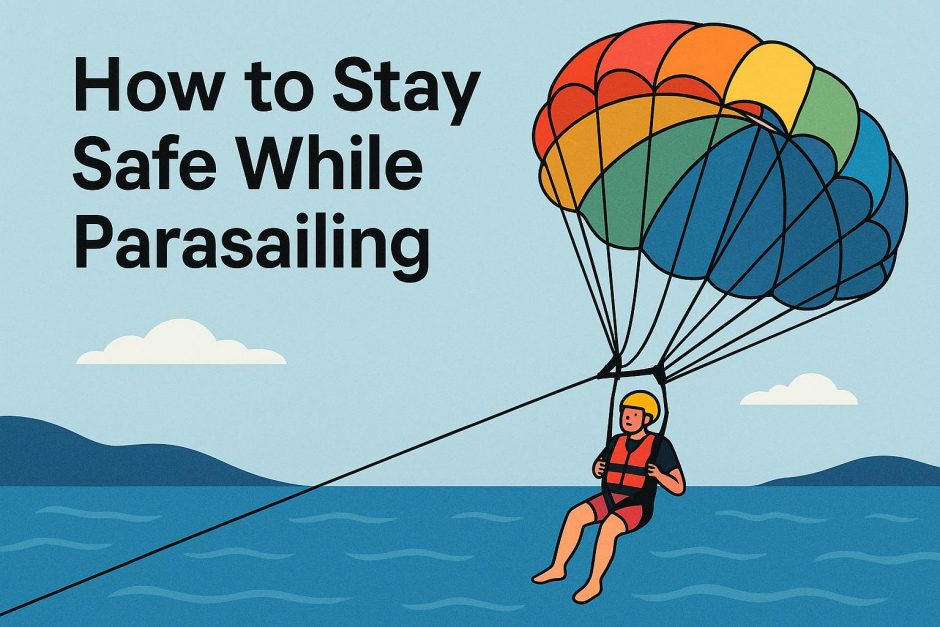
Understanding Parasailing
Parasailing is a recreational activity that has captivated the attention of adventure seekers and tourists alike due to its unique blend of parachuting, paragliding, and sailing techniques. As participants are towed behind a boat, they ascend into the sky, attached to a specifically designed parasail or parachute. This exquisite sport offers rare aerial views of the surrounding landscape, allowing participants to experience a sense of freedom and awe. Nevertheless, like any adventure sport, parasailing is not without its risks, making it essential for participants to approach the activity with a clear understanding of safety measures.
Choose a Reliable Operator
The first step in ensuring a safe and enjoyable parasailing experience is to select an experienced and reputable operator. This involves conducting thorough research into the company’s history and standing. Potential participants should make certain that the business holds valid licenses and required certifications, signifying that they adhere to the necessary safety standards. Valid licensing and certification can be a good indicator of the company’s dedication to safe operations. Reading customer reviews and seeking recommendations from seasoned parasailers can provide valuable insights into the operator’s reputation. In addition to personal experiences, these reviews can shed light on the company’s track record in safety and customer satisfaction. Ensuring their equipment is well-maintained and regularly inspected cannot be overstated, as faulty or outdated gear significantly increases the risk of accidents.
Understand Weather Conditions
Weather conditions play a decisive role in the safety of parasailing activities. Engaging in parasailing in adverse weather conditions, such as strong winds, rain, or approaching storms, can create hazardous situations. It is imperative that participants confirm that their operator actively monitors weather updates and is prepared to postpone trips if necessary. Operators should demonstrate a commitment to safety by making judgments based on accurate and timely weather forecasts. For participants, consulting trusted weather service websites like Weather.gov before embarking on a parasailing journey can also be beneficial. These services provide accurate and up-to-date weather forecasts that can inform decision-making, ensuring that one’s parasailing experience remains as safe as possible.
Wear Appropriate Gear
Dressing appropriately enhances both safety and comfort during a parasailing adventure. A well-fitting life jacket is an absolute necessity; it should fit snugly but remain comfortable throughout the duration of the activity. Some operators also offer helmets for additional protection, minimizing the risk of head injuries. Participants should avoid wearing loose clothing and accessories that could become entangled with the equipment. Securely fastening all items and opting for streamlined attire is advised. Furthermore, applying sunscreen and donning sunglasses serve to protect the skin and eyes from the sun’s harsh ultraviolet rays, contributing to a more comfortable experience.
Follow Instructions
Adherence to instructions provided by the parasailing crew can significantly enhance the safety of the experience. It is crucial to pay close attention to the safety briefing presented before take-off. This briefing usually contains key information on various aspects of parasailing, including how to safely take off, how to signal if there is an issue, and the proper landing posture. Participants should refrain from making any unauthorized adjustments to the harness or other equipment. Proper compliance with instructions minimizes the likelihood of accidents, ensuring a smooth and enjoyable parasailing experience from start to finish.
Communicate Any Concerns
Clear communication with the crew is essential, particularly if participants have any reservations or medical conditions that might impact their parasailing adventure. By communicating such concerns, the crew can provide guidance on whether it is safe to proceed or if additional precautions are necessary. It is essential to prioritize personal health and safety above the thrill of the sport, as unaddressed medical conditions could pose a serious risk during the activity. Participants should not hesitate to ask questions or seek clarification on any aspect of the experience that might cause apprehension.
In conclusion, while parasailing is an exhilarating combination of thrill and natural beauty, it demands diligent attention to safety protocols to mitigate potential risks. By carefully choosing a reputable operator, rigorously monitoring weather conditions, wearing suitable gear, adhering to all instructions, and maintaining open communication with the crew, participants can enhance their overall safety and enjoyment of the activity. Ultimately, parasailing offers an incredible opportunity to explore the skies and view the world from a new perspective, provided that all necessary precautions are taken to ensure a safe and memorable experience.