
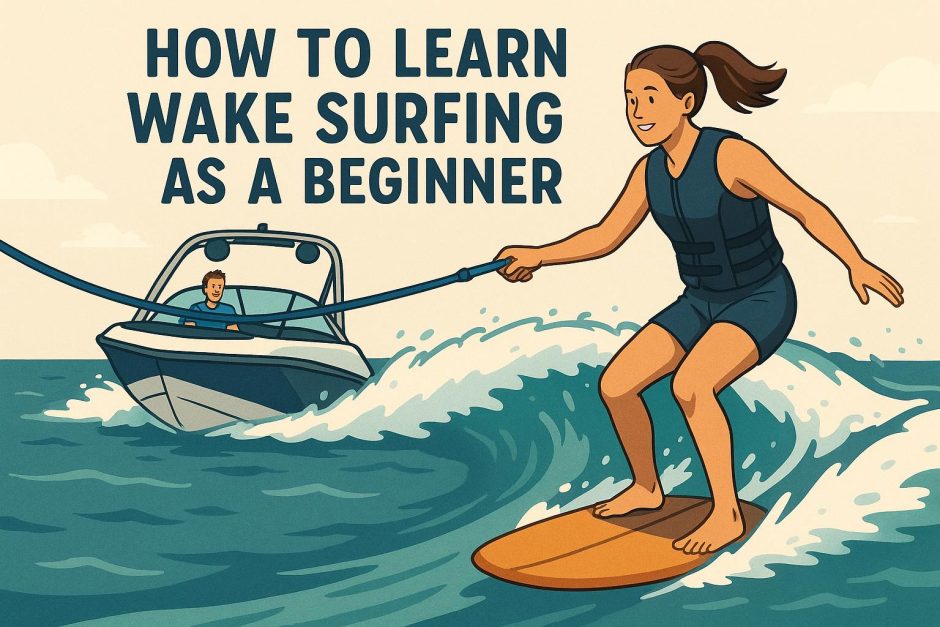
Understanding Wake Surfing
Wake surfing is a dynamic water sport that involves riding the wake produced by a boat, without a direct connection to the boat itself. Unlike other water sports such as water skiing or traditional surfing, wake surfing relies on a specifically designed boat that generates a wake similar to ocean waves. The thrill of gliding across the water and performing tricks on the wake makes wake surfing a favorite for water sports enthusiasts. For beginners and experts alike, mastering wake surfing requires understanding the technique, equipment, and environment.
Essential Equipment
Before hitting the water, it’s crucial to have the right equipment tailored for wake surfing. Here are some of the essential items you’ll need:
Wakeboard Boat: The backbone of wake surfing, the boat plays a pivotal role in generating the right wake. A wakeboard boat is designed with ballast systems that allow it to carry extra weight, enhancing the wake’s size and form. By adjusting these ballast systems, the boat can produce wakes ideal for surfing. The engine should also be powerful enough to maintain consistent speeds while towing a surfer.
Wake Surfboard: The choice of board significantly impacts your performance on the water. Wake surfboards differ from traditional ocean surfboards in both design and function. They are typically shorter, allowing for greater maneuverability, and their thickness provides buoyancy to stay atop the wake. Different shapes cater to different styles, whether you’re into performing tricks or simply cruising.
Rope and Handle: To begin wake surfing, you’ll require a specialized rope and handle. Contrary to common ropes, wake surfing ropes are thicker and less elastic, giving surfers better grip and control as they get up on the board and initially ride the wake.
Life Jacket: Safety is non-negotiable, thus a U.S. Coast Guard-approved life jacket is essential. Not only does it keep you afloat, but it also offers protection in case of falls or accidents. Finding a comfortable yet snug fit ensures you’re safe without hindering movement.
Setting Up to Surf
Creating the perfect wake is a blend of science and art. By understanding how to manipulate the boat’s features, you can create an optimal surfing experience. Here’s how to get started:
The key to generating an excellent wake lies in adjusting both the speed and ballast configuration of the boat. Typically, a speed between 10 to 12 mph is ideal for producing a wake that is both surfable and safe. Depending on the boat’s design and the surfer’s preference, the ballast tanks can be filled to create a wave on the desired side of the boat. This configuration allows the surfer to ride the wave effectively.
Getting Started
For newcomers to wake surfing, getting up on the board and maintaining balance might seem daunting at first. However, with patience and practice, you can master the basics and even progress to more advanced techniques.
Getting Up on the Board
The journey begins with understanding how to get onto the board from the water. As a beginner, start by positioning yourself in the water, holding onto the rope with your knees bent, and keeping the board perpendicular to the boat. As the boat slowly accelerates, let the tension from the rope assist you in standing up. Keeping a balanced stance is crucial in this stage to avoid falling off.
Finding Balance
Once upright, achieving balance is the next milestone. Place a majority of your weight on your back foot while ensuring your knees stay slightly bent. This position aids in maintaining control and adjusting your speed naturally through the water. Building this balance early on can lead to swift improvements and confidence on the wakes.
Letting Go of the Rope
Letting go of the rope marks the transition from tethered riding to true wake surfing. As you develop stability, slowly ease the pressure on the rope until you can release it completely. Maintaining your stance will demand subtle weight shifts and body movements to stay on the wake. Mastering this ability to ride smoothly allows for more complex maneuvers and stunts in the future.
Safety Tips
Safety is paramount when engaging in wake surfing. Communicating with the boat driver is crucial to ensure awareness of your location and intentions. Maintain a safe distance from the boat to avoid any potential accidents and ensure the driver is vigilant about your position on the wake. By following these safety protocols, you can minimize risks and focus on enjoying the ride.
Continuous Learning
Progress in wake surfing is about continuous learning and adapting to new challenges. Beyond mastering the basics, experimenting with various board designs, wake shapes, and surf speeds can significantly refine skills and style. Engage with local wake surfing groups or enroll in courses to learn from seasoned surfers and gain new perspectives. The community aspect of wake surfing can bring valuable camaraderie as well as shared knowledge.
With dedication and practice, wake surfing can become a rewarding and exhilarating pursuit. The combination of technical skills and environmental awareness needed to succeed also extend to improving fitness and cultivating an appreciation for the water. As you continue on your wake surfing journey, remember that each time on the water is an opportunity to learn, grow, and find joy in this exhilarating sport.