
The Physiological Benefits
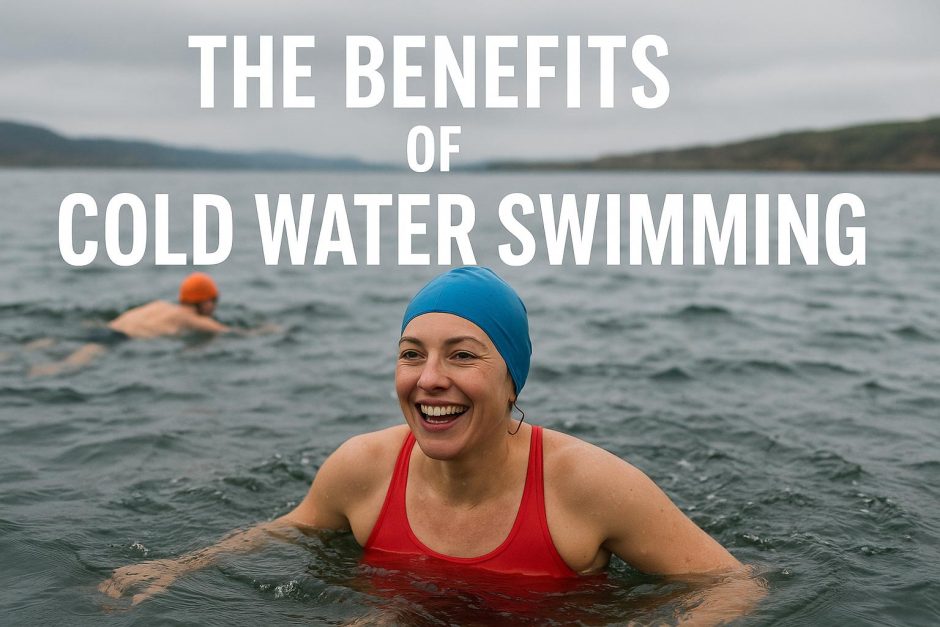
Cold water swimming, often referred to as open water swimming, is increasingly popular due to its wide array of health benefits. This activity, which includes immersing oneself in naturally cold waters like lakes, seas, or oceans, offers a unique way to improve both physical and mental health. One of the primary advantages of cold water swimming is its positive impact on the cardiovascular system. Exposure to cold water compels the body to work harder to maintain its core temperature, thereby enhancing blood circulation and stimulating heart function.
Cardiovascular System and Cold Water Exposure
When you enter cold water, your body activates a series of physiological responses designed to protect its vital functions. The initial contact with cold temperatures triggers vasoconstriction, where blood vessels near the skin’s surface constrict, redirecting blood flow to essential organs. This activity can improve cardiovascular efficiency, assisting in the maintenance of a healthy heart and robust circulation over time.
Further research indicates that cold water immersion prompts the release of norepinephrine, a hormone that augments blood flow and supports heart health. Norepinephrine also has properties that may reduce inflammation in tissues, which can be beneficial for cardiovascular health. Additionally, engaging regularly in cold water swimming may enhance metabolism, contributing to weight management and potentially aiding in weight loss efforts by promoting fat burning.
Improved Mental Health
Apart from its physical benefits, cold water swimming exerts a favorable influence on mental well-being. Studies have shown that consistent exposure to cold water can alleviate symptoms of anxiety and depression. This is largely due to the endorphins released during cold exposure, which lead to mood enhancement and a sense of well-being. Endorphins work as natural painkillers, relieving stress and promoting positive mental health.
Moreover, cold water swimming requires a significant degree of mindfulness. The initial shock of cold water forces swimmers to focus intensely on their breathing and the task at hand, fostering a meditative state. This heightened focus and presence in the moment can significantly improve one’s ability to manage stress in everyday life. For those who are keen on exploring the research findings on cold-water adaptation, detailed studies are available for further reading.
Enhanced Immune Function
A significant number of cold water swimming enthusiasts report experiencing fewer common illnesses like colds and the flu. One contributing factor to this phenomenon is the increased production of white blood cells during cold water exposure. White blood cells play a crucial role in the immune response by fighting off infections and pathogens. Enhancing this immune response helps in fortifying the body’s defense mechanisms, offering a natural way to bolster immunity.
Additionally, regular cold exposure may condition the body to adapt quickly to varying temperatures, reducing the severity of common colds and other illnesses. By challenging the body’s systems, cold water swimming promotes resilience, potentially resulting in fewer illnesses over time.
Skill Development and Experience
Embarking on the journey of cold water swimming necessitates the development of specific skills and the acquisition of valuable experiences. Swimmers need to cultivate a tolerance to cold temperatures and to learn how to manage their breathing effectively under the stress cold water introduces. These skills, while essential for safe swimming, translate into broader life skills such as enhanced personal resilience and adaptability.
Particularly, the ability to maintain calm and control breathing in stressful conditions is a transferable skill of substantial value in various life situations. Developing such skills not only benefits one’s swimming capabilities but also enhances overall personal development. For those keen on advancing their training for cold water swimming, further resources are readily available to guide this process.
Considerations and Cautions
Despite the numerous advantages of cold water swimming, it might not be suitable for everyone, warranting careful consideration. Individuals with underlying health conditions should seek medical advice before engaging in this activity. It is essential to recognize potential risks like hypothermia and ensure that appropriate safety measures are taken. This includes slowly acclimatizing oneself to cold temperatures and always swimming with a companion for safety.
Proper preparation and education are key elements to safely enjoying the benefits of cold water swimming. By acknowledging both the activity’s physical and mental health advantages, one can engage in this invigorating pursuit with confidence, ensuring it remains an enriching and safe experience.