
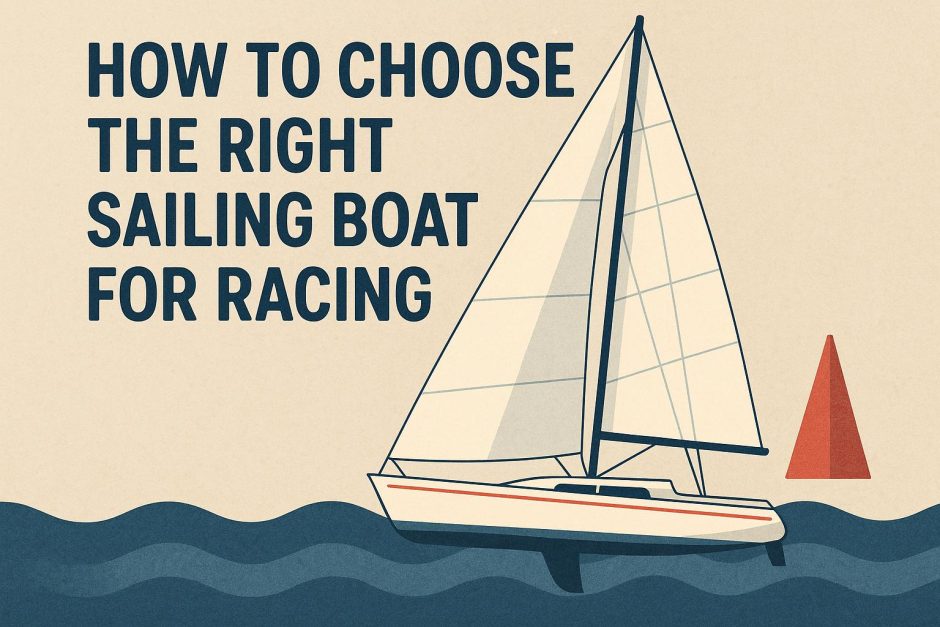
How to Choose the Right Sailing Boat for Racing

Understanding Your Needs

Choosing the right sailing boat for racing involves several considerations based on your specific requirements. Determine the type of racing you are interested in, such as club racing, coastal racing, or offshore racing. Each type of race has distinct demands, influencing your choice of boat.

Budget Considerations

Your budget will significantly impact your choices when selecting a racing sailboat. Consider not only the initial purchase cost but also the annual maintenance expenses, which include storage, insurance, and repairs. Understanding these costs will help you make an informed decision.

When considering the purchase cost, it is vital to look beyond the initial price tag. The value of a sailboat is often dependent on factors like age, condition, brand, and design. Some older boats may offer excellent value but require more upkeep, while brand-new models might come with warranties that reduce unexpected costs. Every option presents a trade-off between price and potential future expenditures.

Annual maintenance is another critical factor. The costs associated with maintaining a sailboat can escalate quickly if you are unprepared. Expenses may include seasonal storage solutions, which vary depending on location and storage type, such as dry storage on land or berthing fees at a marina. Additionally, consider insurance fees that will protect your investment from damage or theft, and account for regular upkeep, which ensures your sailboat remains in optimal condition over time.

Boat Size and Crew Requirements

The size of the boat can affect both the cost and crew requirements. Smaller boats, such as dinghies or keelboats, usually require fewer crew members, making them suitable for those new to racing or those preferring smaller teams. Larger boats, meanwhile, may accommodate more crew and often participate in longer races, but they require higher levels of teamwork and coordination.

Choosing the right boat size is essential for meeting your personal racing goals and preferences. Smaller boats are often agile and easier to maintain, ideal for short races and less demanding on crew logistics. With a smaller team, managing roles and functions during a race becomes straightforward, making it a preferred option for beginners or seasoned racers who enjoy handling multiple tasks.

Larger vessels, by contrast, offer expansive space and increased capabilities on the open water. With design features that provide speed and stability in extended races, these boats demand synchronized efforts among a more extensive crew. Succeeding in managing such a team enhances the racing experience, although it requires more extensive preparation and a commitment to team cohesion.

Boat Design and Performance

Consider the design and performance characteristics that will best suit your racing ambitions. For inherently fast racing, look for boats with designs focused on speed and performance. Hull shape, rigging configurations, and construction materials all play significant roles. Many racing sailboats incorporate designs that optimize hydrodynamics and aerodynamics.

Optimizing a sailboat’s design for speed entails a range of considerations that impact performance in diverse conditions. Hull shape directly influences how a boat interacts with water, affecting its speed and maneuverability. Boats with a narrow beam and lightweight construction tend to move quickly through water, while wide-hulled boats might offer more stability but less speed.

Rigging configurations also contribute significantly to a sailboat’s racing capabilities. Different mast structures and sail types can enhance a boat’s ability to navigate winds effectively. Sloop rig setups are common for their versatility and balance of power, while other configurations might provide performance benefits unique to specific racing situations.

Construction materials equally affect a sailboat’s weight, durability, and overall performance edge. Modern racing boats often use advanced materials like carbon fiber, providing a high strength-to-weight ratio, which propels performance pursuit while keeping weight to a minimum.

Class Rules and One Design vs. Handicap Racing

It is essential to understand the class rules governing the races you wish to participate in, as they regulate parameters such as boat design, dimensions, and sail size. Decide if you prefer one-design racing, where all competitors use identical boats, or handicap racing, which allows different boat types to compete against each other using performance-based corrections.

Understanding class rules involves familiarizing oneself with the specific requirements set forth by racing organizers or organizations. These rules ensure fair competition by setting forth the limitations and allowances regarding equipment, boat dimensions, and permissible modifications. Staying informed about these guidelines ensures compliance and competitiveness on the racing circuit.

One-design racing offers a focused competitive environment where skill becomes the primary determinant of performance. With identical boats being used across the field, it eliminates any design advantages, highlighting the importance of strategy, crew skill, and race execution.

In comparison, handicap racing accommodates a range of boat designs, using a rating system to equalize the playing field. This racing style welcomes a broader variety of participants with diverse boats, encouraging competition across different designs while adjusting results based on a performance handicap system. This approach suits those who relish the diversity of competition and the challenge of optimizing their boat’s performance.

For further guidance, consider visiting a certified sailing organization or speaking with experienced sailors who can provide insights based on firsthand experience. Engaging with online discussions and forums, such as Sailing Anarchy, can also offer valuable advice and recommendations from a wider sailing community. These resources enhance your understanding by offering case studies and testimonials from individuals who have navigated similar decision-making processes regarding their racing ambitions.
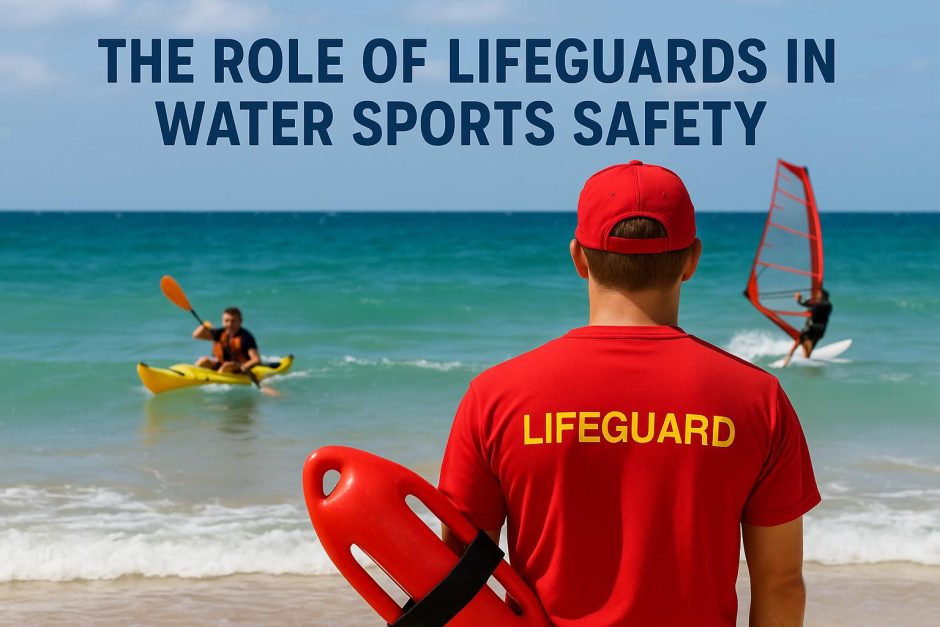
The Role of Lifeguards in Water Sports Safety

The Importance of Lifeguards in Ensuring Water Sports Safety

Water sports, ranging from surfing and jet skiing to more leisurely activities like swimming and snorkeling, captivate the interest of millions worldwide. These activities, while exciting, come with a set of risks that underscore the critical importance of having trained professionals to oversee safety. Lifeguards serve as the backbone of safety protocols at any site hosting such activities, providing essential services that can make the difference between life and death.

Responsibilities of Lifeguards

Lifeguards are designated with the essential duty of safeguarding individuals in water-based environments, be it natural bodies of water like oceans and lakes, or man-made facilities such as swimming pools and water parks. Their responsibilities extend far beyond mere observation. They are vital first responders in aquatic settings, a role which includes a variety of specific duties:

Monitoring water conditions and participant activities is one of the foremost tasks for lifeguards. By vigilantly scanning their assigned zones, they can proactively identify potential hazards such as rip currents or overcrowded swimming areas, and take preventive measures to avert accidents.

Conducting rescues is arguably one of their most high-stakes responsibilities. A lifeguard must be prepared to react instantly to emergency situations in which swimmers or sports enthusiasts find themselves in distress. This requires not only physical prowess but also psychological readiness to handle scenarios under pressure with composure and efficiency.

Administering first aid and performing CPR are critical when dealing with emergencies that involve injury or unconsciousness. Their immediate medical intervention can stabilize victims until more comprehensive care is accessible.

Skills and Training

The effectiveness of a lifeguard is largely determined by the quality and comprehensiveness of their training. Rigorous training processes are established to prepare lifeguards for any situation that may arise. The cornerstone of these programs is a set of specialized skills tailored to the complexities of aquatic environments.

Some of these skills are rescue techniques tailored for different environments, whether it is handling strong waves at a beach or managing rescues within the confines of a swimming pool. Each environment presents unique challenges, requiring specific methods and tools.

Emergency response strategies also form a critical part of lifeguard training. This involves not just the physical act of saving a life, but also effective communication, both with other rescuers and with victims, to ensure a coordinated and swift response to incidents.

Additional core competencies include obtaining first aid and CPR certification. This ensures that lifeguards can administer immediate aid that can mitigate injuries and maintain vital functions until professional medical help arrives.

Organizations like the Red Cross are instrumental in delivering these training programs, which emphasize not only theoretical knowledge but also practical applications through simulations and drills.

Impact of Lifeguards on Water Sports Safety

The presence of lifeguards inherently enhances the safety of water sports activities. Their contributions extend beyond active intervention; they play a preventive role by implementing and enforcing safety regulations that diminish the probability of mishaps. This yields several benefits:

One key impact is the reduction in the severity of injuries that occur during water sports. Quick responses to incidents can prevent minor incidents from escalating into serious injuries. This capability is crucial in high-risk activities where every second counts.

Lifeguards also help in increasing public confidence in water sports. Knowing that professional lifeguards are present to handle emergencies gives participants, including both children and adults, the reassurance needed to enjoy water activities without undue fear or anxiety.

Furthermore, they encourage safe practices among enthusiasts. By modeling and promoting safety protocols, such as wearing life vests or following water safety signs, lifeguards contribute to cultivating a community culture that prioritizes safety.

Conclusion

The indispensable role of lifeguards in maintaining water sports safety is highlighted by their multifaceted responsibilities and the myriad skills they bring to the table. They not only save lives actively but also create an environment where water sports enthusiasts are more likely to follow safety guidelines. The peace of mind they offer to participants and onlookers alike fosters an atmosphere where adventure and safety coexist. This protection further fuels public interest and participation in water sports, perpetuating a cycle of safety consciousness that benefits all. Before diving into your next aquatic adventure, consider a moment of gratitude for these dedicated professionals who combine vigilance with expertise to watch over the waters with unwavering focus.

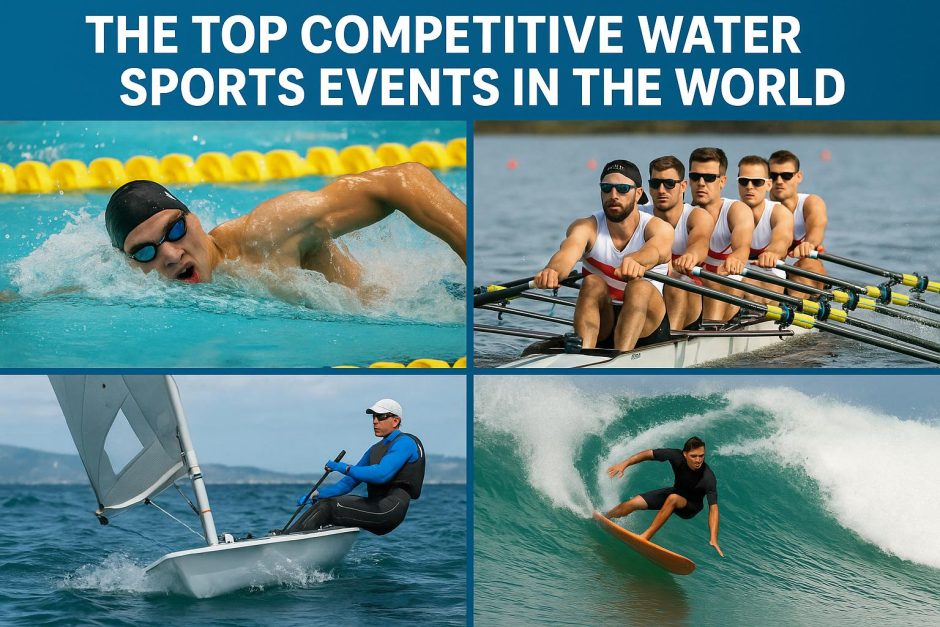
The Top Competitive Water Sports Events in the World

Olympic Games

The Olympic Games serve as one of the most prestigious platforms for water sports. From swimming to sailing, the Olympics offer a stage where athletes from around the globe display not just skills but also the sheer determination required to excel at such an elite level. Every four years, this global event gathers both seasoned champions and aspiring newcomers to compete for glory and national pride, pushing the limits of human potential.

Swimming

Swimming remains a highlight within the Olympics, featuring a wide array of events that test speed, technique, and endurance. Competitors participate in varying styles, including freestyle, backstroke, butterfly, and breaststroke, each presenting its own set of challenges. Swimmers must seamlessly integrate physical prowess with technique to perform at their peak. The races often come down to milliseconds, with athletes striving to break world records and achieve personal milestones. The dedication and rigorous training required to compete at this level make it an event of intense competition and thrilling finishes.

Diving

Diving in the Olympics showcases a blend of athletic talent and artistic finesse. Divers execute complex acrobatics from springboards or platforms positioned at various heights—often as high as 10 meters. The ability to perform intricate maneuvers, combined with the precision needed to enter the water with minimal splash, illustrates the high degree of skill demanded by this sport. Judges award points based on technique, execution, and the difficulty of the dives, thereby making the sport a spectacle of disciplined grace and nerve.

World Rowing Championships

The World Rowing Championships, under the organization of World Rowing, represents a pinnacle event in competitive rowing. Drawing the best rowers from all over the world, this annual championship features diverse categories including single sculls and various team events. The sport of rowing demands not only raw physical strength but also meticulous coordination and the ability to work collaboratively as a crew. This synchronization is essential to move quickly and efficiently through the water, offering a spectacle of unity and sheer athleticism that captivates audiences globally.

America’s Cup

The America’s Cup stands as a premier sailing competition that tests the tactical and technical mastery of its competitors. As the oldest international sporting trophy, this event invites elite sailing teams to compete using cutting-edge yacht designs. Races are won through strategic maneuvering and skillful navigation, often influenced by changing weather conditions and tidal flows. The competition’s richness lies in its unpredictability, challenging sailors to adapt rapidly. Such complexity not only tests their skills but also continuously draws fascination and respect from sailing enthusiasts and newcomers alike.

Ironman World Championship

The annual Ironman World Championship held in Kailua-Kona, Hawaii, is revered in triathlon circles as a true test of endurance. This grueling event consists of a 2.4-mile swim in the Pacific Ocean followed by a 112-mile bike ride across Hawaii’s lava-encrusted landscapes, and concluding with a 26.2-mile marathon run. Athletes confront extreme temperatures and varying terrain, challenging both their physical endurance and psychological resilience. Completing this race is a monumental achievement, symbolizing the pinnacle of athletic effort and perseverance in the realm of endurance sports.

FINA World Championships

The FINA World Championships, under the aegis of the Fédération Internationale de Natation (FINA), biennially gather the highest caliber of aquatic athletes to compete across several sports. This includes swimming, diving, open water swimming, synchronized swimming, and water polo. Athletes from all continents converge to contest for supremacy, showcasing techniques honed through years of disciplined training.

Open Water Swimming

Open water swimming stands as one of the pinnacle events at the FINA World Championships, pushing athletes to their limits as they navigate long distances in natural water settings such as oceans and lakes. Each race presents a unique set of challenges, from battling waves and currents to maintaining a consistent pace amidst fluctuating environmental conditions. This format demands both extraordinary stamina and strategic planning, requiring swimmers to adeptly judge conditions and regulate their energy over long stretches.

ISA World Surfing Games

The International Surfing Association (ISA) champions the World Surfing Games annually, drawing both veteran surfers and fresh talent to this exciting competition. Celebrated for both its cultural significance and athletic challenge, surfing requires competitors to harmonize creativity, speed, and agility to perform high-quality tricks. How a surfer capitalizes on wave quality is often crucial, leading to performances that are not only athletically impressive but also artistically captivating. This event not only celebrates the synergy between athlete and wave but also serves as a global reunion for the surfing community.

These esteemed competitions highlight the rich diversity and dynamic excitement that water sports contribute to the athletic world. They not only showcase elite physical capabilities but also invite fans and emerging athletes to appreciate the richness and variance of aquatic sports on a global stage. This global assemblage of talent constantly builds on traditions while inspiring future generations to explore and excel in these exhilarating disciplines.