
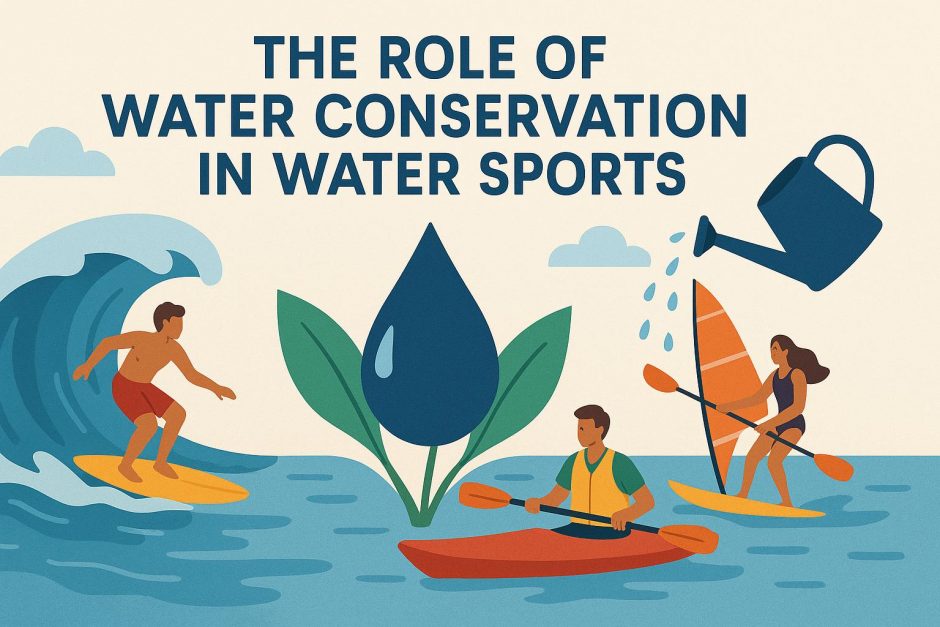
Understanding Water Conservation in Water Sports: An In-Depth Exploration
Water conservation is an essential component in the world of water sports, highlighting the intersection of environmental responsibility and sustainability. Recognizing the importance of conserving water ensures the preservation and longevity of aquatic environments, safeguarding them for both current recreational activities and future generations. This detailed analysis delves into the various dimensions of water conservation within water sports.
The Interdependence of Water Sports and Water Conservation
Water sports such as kayaking, rowing, and surfing rely significantly on the availability of clean and plentiful water sources. These activities require distinct aquatic habitats, which can be affected by fluctuating water levels, varying quality, and seasonal availability. Therefore, adopting effective water conservation practices is pivotal in maintaining these conditions. This proactive approach guarantees that water sports enthusiasts can continue to indulge in their passions safely and enjoyably.
Impact of Water Sports on Aquatic Ecosystems
Engagements in water sports undeniably offer a plethora of physical and recreational benefits; however, they can also influence local ecosystems. Equipment such as boats introduces potential pollutants, and the activities themselves might disrupt sensitive aquatic habitats. By implementing water conservation strategies, these negative effects can be mitigated, ensuring that the intricate ecosystems remain undisturbed. This maintains the delicate ecological balance necessary for the health of aquatic environments.
Techniques for Water Conservation in Sports Facilities
There are several strategic approaches that sports facilities can adopt to enhance water conservation. A few key techniques include:
– Efficient water management systems: The adoption of modern irrigation technology and advanced plumbing systems is crucial. These systems are designed to minimize water wastage, thereby conserving water effectively.
– Reuse of water: Facilities can significantly cut down on water consumption by recycling water for multiple purposes. This reduces the need to draw additional water from natural sources, thereby conserving precious resources.
– Promoting awareness: It is equally important to educate both participants and staff about the significance and methods of conservation practices. By fostering a culture that prioritizes sustainability, individuals within the facility are more likely to embrace water-saving habits.
Innovations Supporting Water Conservation
Technological advancements have paved the way for innovations that support water conservation within the realm of water sports. The development of eco-friendly materials utilized in sports equipment is one such innovation. These materials lessen environmental impact by minimizing the carbon footprint. Improved water filtration systems have also been introduced, effectively removing contaminants and ensuring cleaner waterways. These innovations form an integral part of reducing the environmental footprint linked to water-based activities. For more insights into sustainable practices in sports, one might consider exploring additional resources.
The Role of Policy in Promoting Water Conservation
Policies established by government bodies and organizations are crucial in reinforcing water conservation measures. These policies regulate water usage and manage discharge levels in sports facilities, impacting both the facilities and adjacent communities. It is imperative for sports organizations to align with local regulations and policies. Doing so ensures compliance with standards designed to support broader conservation goals and demonstrates a commitment to environmental stewardship.
Community Engagement and Education
The engagement of local communities is instrumental in augmenting water conservation efforts. Providing platforms for communities to get actively involved through initiatives like clean-up drives or educational workshops promotes widespread awareness and appreciation for water conservation. When communities are engaged, they are more likely to support sustainable practices and participate in conservation efforts, creating a ripple effect of positive change.
Conclusion
Water conservation remains foundational in the context of water sports, as it directly influences the sustainability and pleasure derived from aquatic activities. By integrating conservation practices and embracing innovative solutions, sports entities play a role in preserving water resources. Moreover, community involvement and adherence to policies further fortify these conservation efforts. This comprehensive approach ensures that water sports not only endure but also thrive, secure in the knowledge that future generations can cherish and enjoy them.