
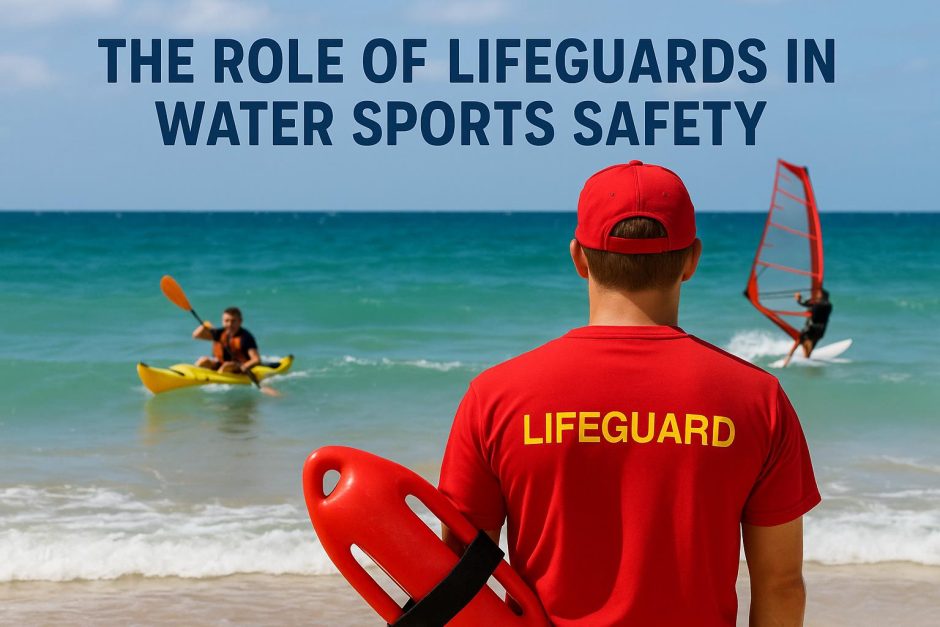
The Importance of Lifeguards in Ensuring Water Sports Safety
Water sports, ranging from surfing and jet skiing to more leisurely activities like swimming and snorkeling, captivate the interest of millions worldwide. These activities, while exciting, come with a set of risks that underscore the critical importance of having trained professionals to oversee safety. Lifeguards serve as the backbone of safety protocols at any site hosting such activities, providing essential services that can make the difference between life and death.
Responsibilities of Lifeguards
Lifeguards are designated with the essential duty of safeguarding individuals in water-based environments, be it natural bodies of water like oceans and lakes, or man-made facilities such as swimming pools and water parks. Their responsibilities extend far beyond mere observation. They are vital first responders in aquatic settings, a role which includes a variety of specific duties:
Monitoring water conditions and participant activities is one of the foremost tasks for lifeguards. By vigilantly scanning their assigned zones, they can proactively identify potential hazards such as rip currents or overcrowded swimming areas, and take preventive measures to avert accidents.
Conducting rescues is arguably one of their most high-stakes responsibilities. A lifeguard must be prepared to react instantly to emergency situations in which swimmers or sports enthusiasts find themselves in distress. This requires not only physical prowess but also psychological readiness to handle scenarios under pressure with composure and efficiency.
Administering first aid and performing CPR are critical when dealing with emergencies that involve injury or unconsciousness. Their immediate medical intervention can stabilize victims until more comprehensive care is accessible.
Skills and Training
The effectiveness of a lifeguard is largely determined by the quality and comprehensiveness of their training. Rigorous training processes are established to prepare lifeguards for any situation that may arise. The cornerstone of these programs is a set of specialized skills tailored to the complexities of aquatic environments.
Some of these skills are rescue techniques tailored for different environments, whether it is handling strong waves at a beach or managing rescues within the confines of a swimming pool. Each environment presents unique challenges, requiring specific methods and tools.
Emergency response strategies also form a critical part of lifeguard training. This involves not just the physical act of saving a life, but also effective communication, both with other rescuers and with victims, to ensure a coordinated and swift response to incidents.
Additional core competencies include obtaining first aid and CPR certification. This ensures that lifeguards can administer immediate aid that can mitigate injuries and maintain vital functions until professional medical help arrives.
Organizations like the Red Cross are instrumental in delivering these training programs, which emphasize not only theoretical knowledge but also practical applications through simulations and drills.
Impact of Lifeguards on Water Sports Safety
The presence of lifeguards inherently enhances the safety of water sports activities. Their contributions extend beyond active intervention; they play a preventive role by implementing and enforcing safety regulations that diminish the probability of mishaps. This yields several benefits:
One key impact is the reduction in the severity of injuries that occur during water sports. Quick responses to incidents can prevent minor incidents from escalating into serious injuries. This capability is crucial in high-risk activities where every second counts.
Lifeguards also help in increasing public confidence in water sports. Knowing that professional lifeguards are present to handle emergencies gives participants, including both children and adults, the reassurance needed to enjoy water activities without undue fear or anxiety.
Furthermore, they encourage safe practices among enthusiasts. By modeling and promoting safety protocols, such as wearing life vests or following water safety signs, lifeguards contribute to cultivating a community culture that prioritizes safety.
Conclusion
The indispensable role of lifeguards in maintaining water sports safety is highlighted by their multifaceted responsibilities and the myriad skills they bring to the table. They not only save lives actively but also create an environment where water sports enthusiasts are more likely to follow safety guidelines. The peace of mind they offer to participants and onlookers alike fosters an atmosphere where adventure and safety coexist. This protection further fuels public interest and participation in water sports, perpetuating a cycle of safety consciousness that benefits all. Before diving into your next aquatic adventure, consider a moment of gratitude for these dedicated professionals who combine vigilance with expertise to watch over the waters with unwavering focus.